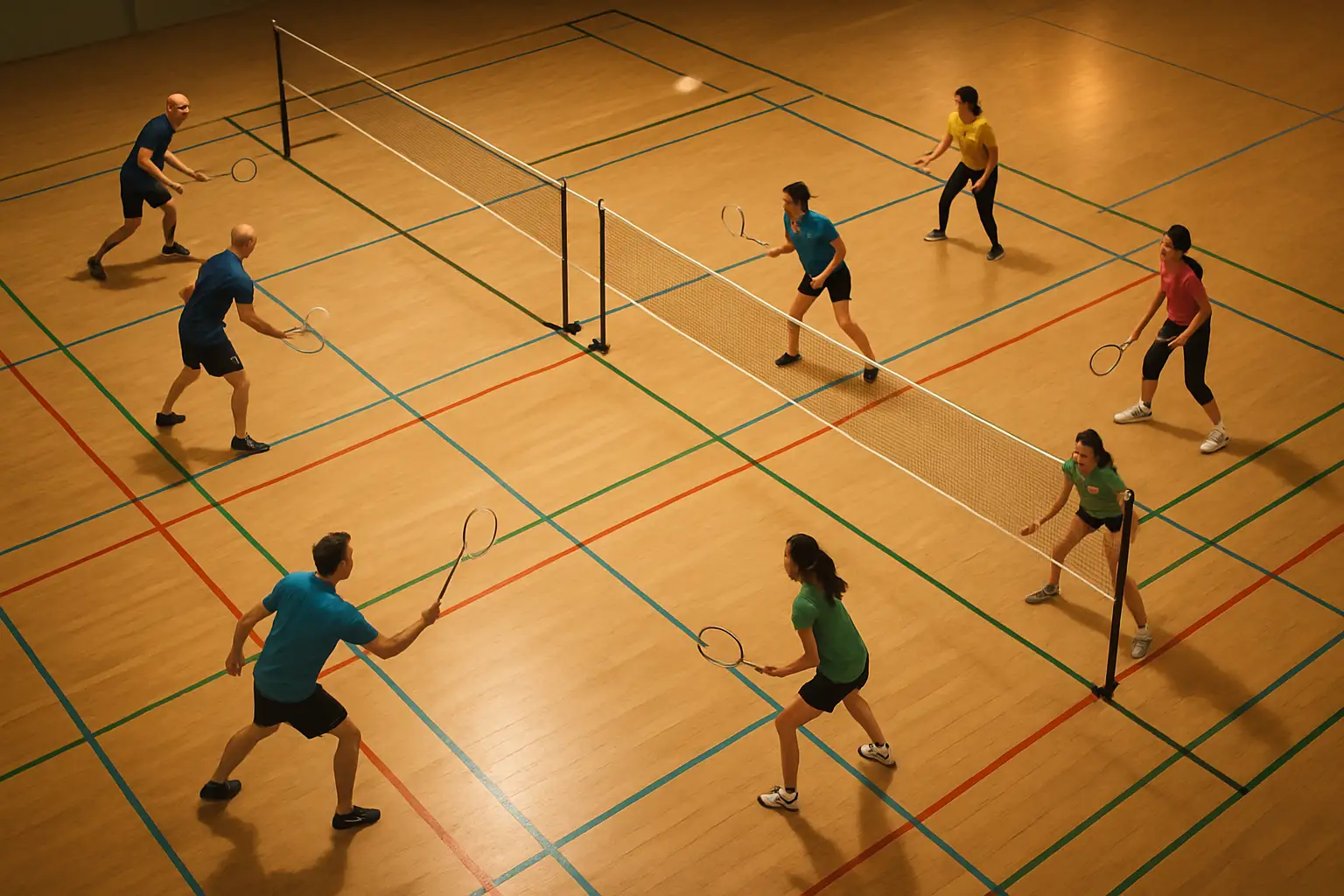
Badminton: From the Pitch to the Podium
How grassroots ambition and competitive drive are pushing badminton players from local courts all the way to the winner's podium.



The Road That Connects Courts to Championships
Badminton has always been a sport where raw talent can surface almost anywhere, from community halls and school courts to sprawling sports complexes. The journey from first picking up a racket to standing on a podium is rarely straightforward, but across the region, that path is being walked by a growing number of determined athletes.
The Star recently spotlighted this progression, highlighting how players are making the leap from grassroots competition to elite performance. The story captures something that badminton insiders have observed for years: the gap between recreational play and high-level competition is narrowing, and the sport's infrastructure is helping bridge it.
What the Rise Looks Like on the Ground
At the foundation, badminton draws participants because of its accessibility. Courts are relatively inexpensive to maintain, equipment costs are manageable, and the sport can be picked up at almost any age. These factors have historically made it one of the most widely played sports across Southeast and East Asia.
But participation alone does not produce podium finishers. What turns a promising junior into a competitive senior player is a combination of structured coaching, consistent competition exposure, and the kind of environment that rewards discipline over raw ability alone.
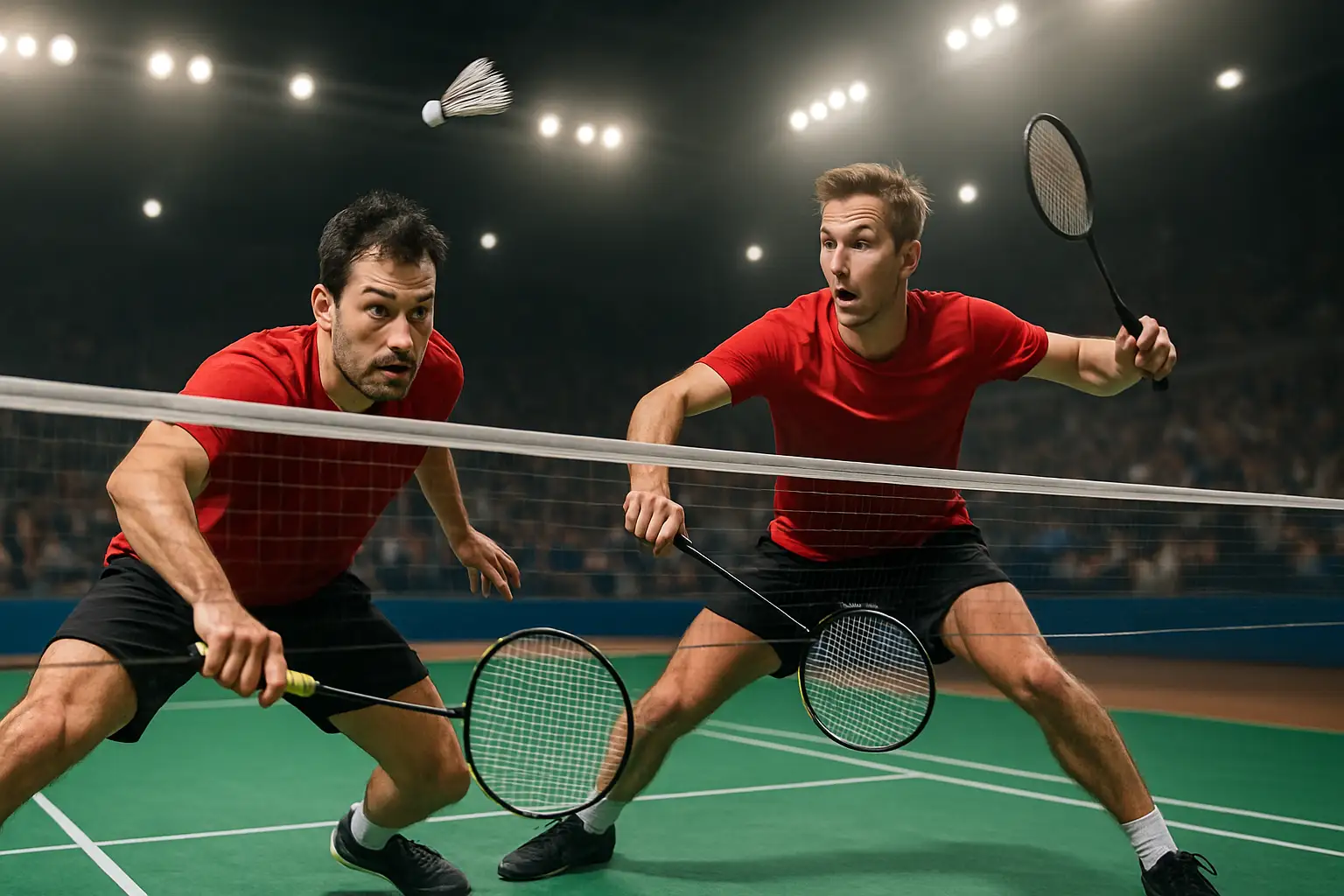
Players who eventually reach national or international level typically spend years cycling through local tournaments before earning selection to represent their clubs or states. Each layer of competition adds pressure, sharpens technique, and tests mental resolve in ways that practice sessions simply cannot replicate.
The Role of Development Pathways
Sports associations and club programs play a central role in identifying and developing talent early. Junior academies feed players into regional competitions, which in turn serve as pipelines toward national squads. Without these structures, even gifted athletes can fall through the cracks.
Coaches operating at the developmental level often work with limited budgets and large groups of young players, making their ability to spot and nurture potential all the more significant. The best ones balance technical instruction with the psychological side of competition, preparing athletes not just to perform, but to recover from setbacks and maintain consistency over long seasons.
For many players, the turning point comes when they begin competing outside their home region. Exposure to different playing styles, faster shuttles, and unfamiliar conditions forces adaptation. Athletes who handle that adjustment tend to be the ones who eventually contend for titles.
Reaching the Podium
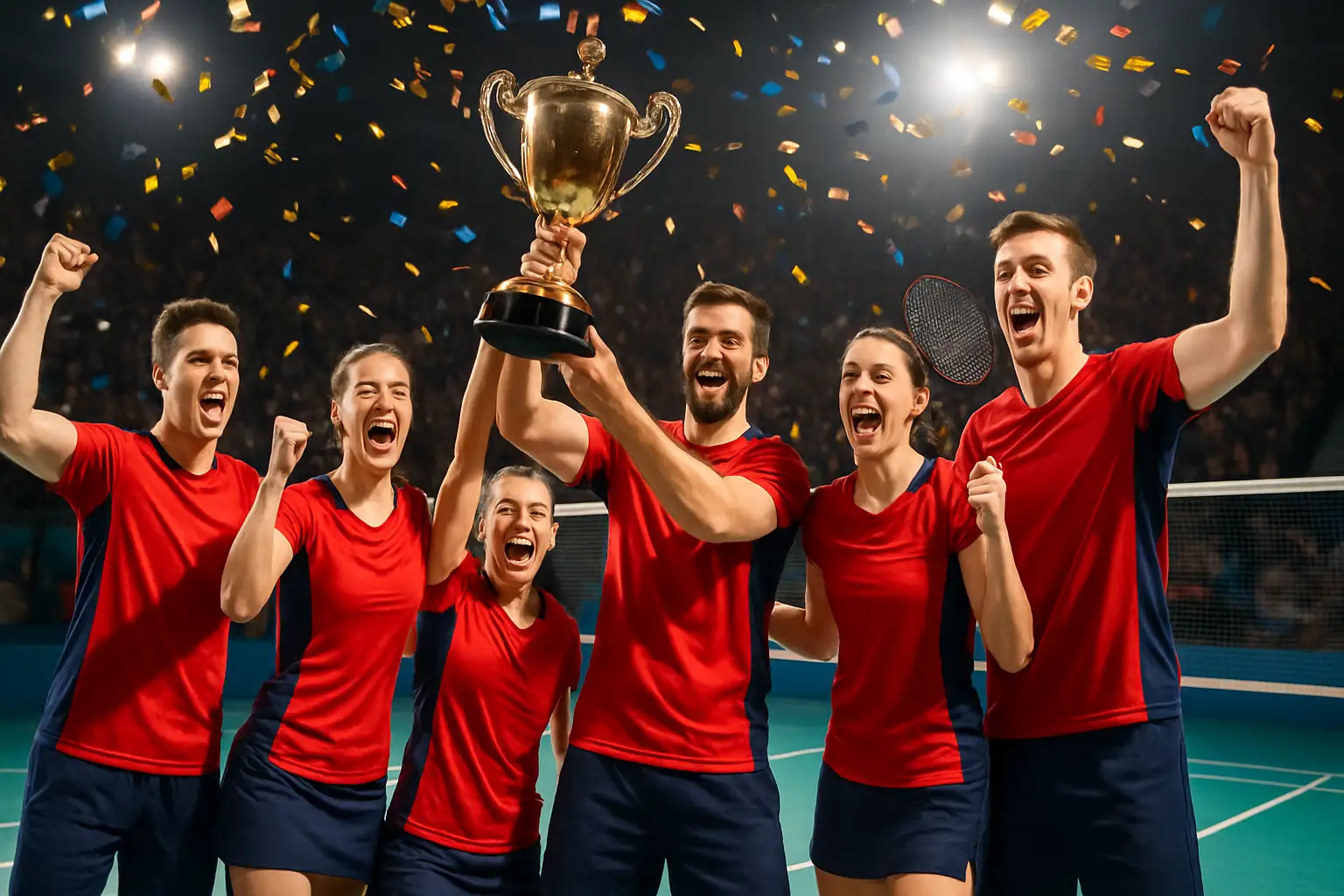
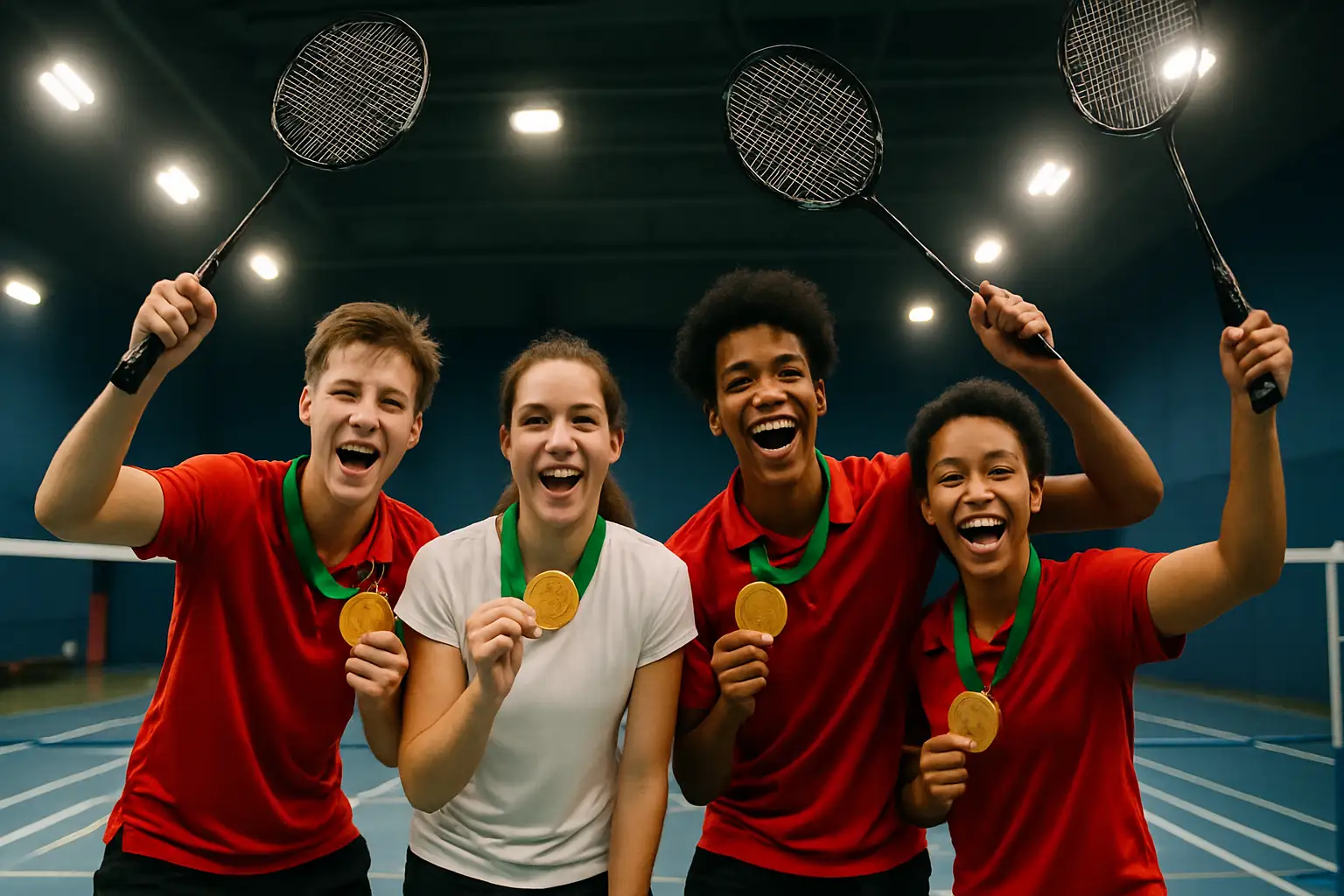
Reaching a podium in badminton, whether at a national championship, a regional games event, or an international circuit tournament, represents the convergence of years of work from the player, their support team, and the institutions behind them.
The Star's report reflects a broader recognition that this journey deserves attention not just when medals are won, but throughout the process. Profiling how players move from pitch-level competition to elite podium finishes helps build public understanding of what competitive badminton actually demands.
For fans following the sport, these stories add depth to results. A scoreline in a final means considerably more when audiences understand what the athletes on court went through to get there. And for young players watching from the stands or streaming matches at home, the visibility of that journey can itself serve as a motivator.
Badminton's appeal has always rested partly on this sense of possibility, that with the right training, the right support, and enough persistence, the distance between a local court and a national podium is measurable and crossable.


Badminton Correspondent
Priya Nair covers badminton for 21.fun, from BWF World Tour results to player form, rankings and tactics.