Chirag Shetty's Incredible Reflexes Turn Him Into a Wall on Court
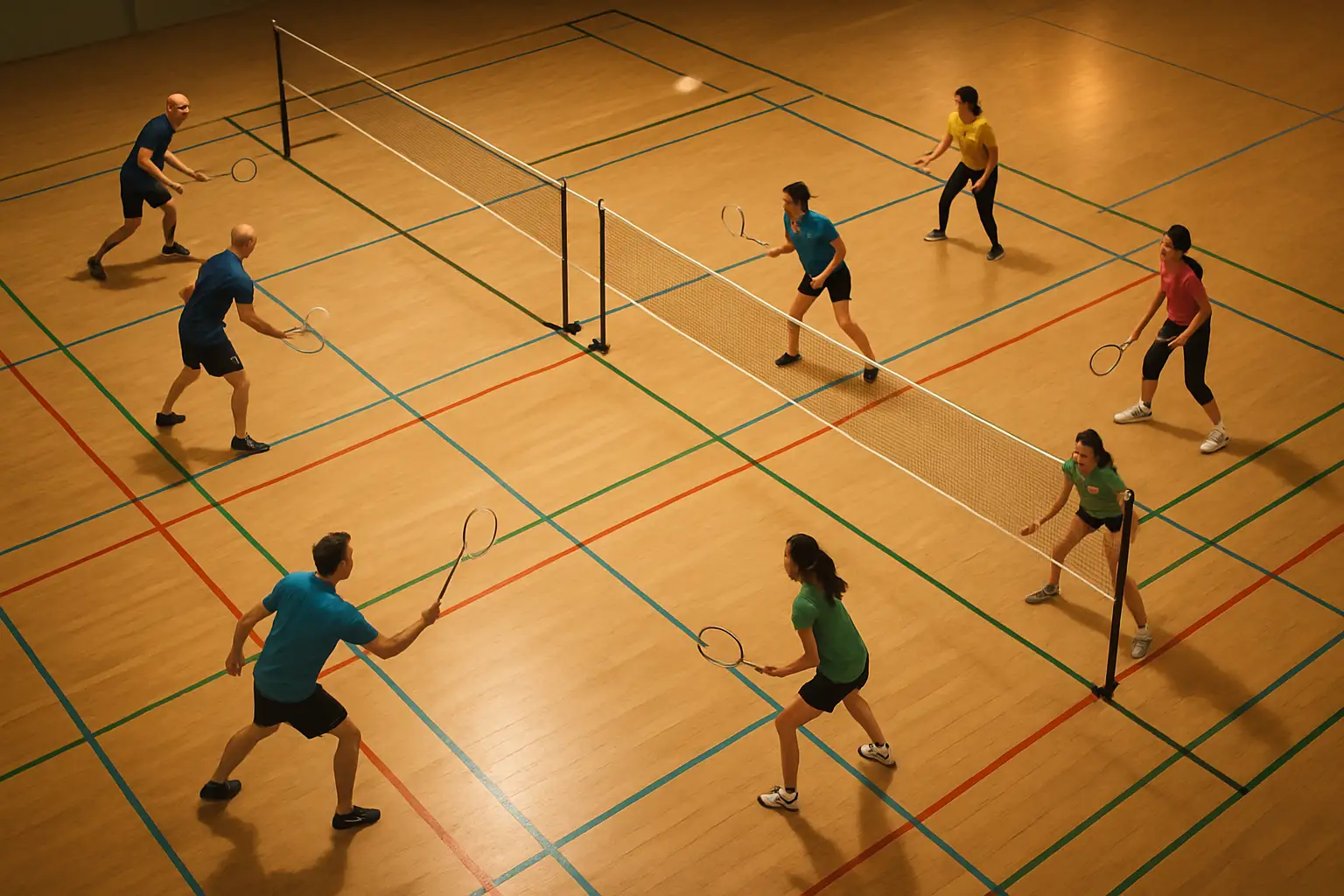
Chirag Shetty has been drawing attention for his remarkable defensive reflexes at the net, with observers comparing his court presence to an immovable wall.


Chirag Shetty's Reflexes Put the Spotlight on His Defensive Game
Chirag Shetty has long been recognised as one of India's premier doubles badminton players, but recent footage and commentary circulating on MSN have renewed attention on a specific aspect of his game: his extraordinary defensive reflexes. Analysts and fans alike have described his ability to absorb and redirect sharp smashes at the net as wall-like, a quality that sets elite doubles players apart from the rest.
In doubles badminton, the player at the net faces some of the fastest exchanges in racket sports. Opponents drive the shuttle at speeds that leave almost no reaction window. Shetty's capacity to not only survive those exchanges but to convert them into attacking opportunities has become a talking point in the badminton community.
According to the MSN report, Shetty's reflexes have been described as incredible, with his defensive positioning and anticipation drawing particular praise. His ability to read the opponent's body shape before a shot is struck allows him to be in the right place a fraction of a second earlier than most players at his level.
What Makes a Great Net Defender in Doubles Badminton
Defending at the net in men's doubles is a physically and mentally demanding job. Players must track the shuttle, monitor their opponents' positions, and communicate with their partner simultaneously. A slight hesitation or misread can hand the opposition a straightforward winning shot.
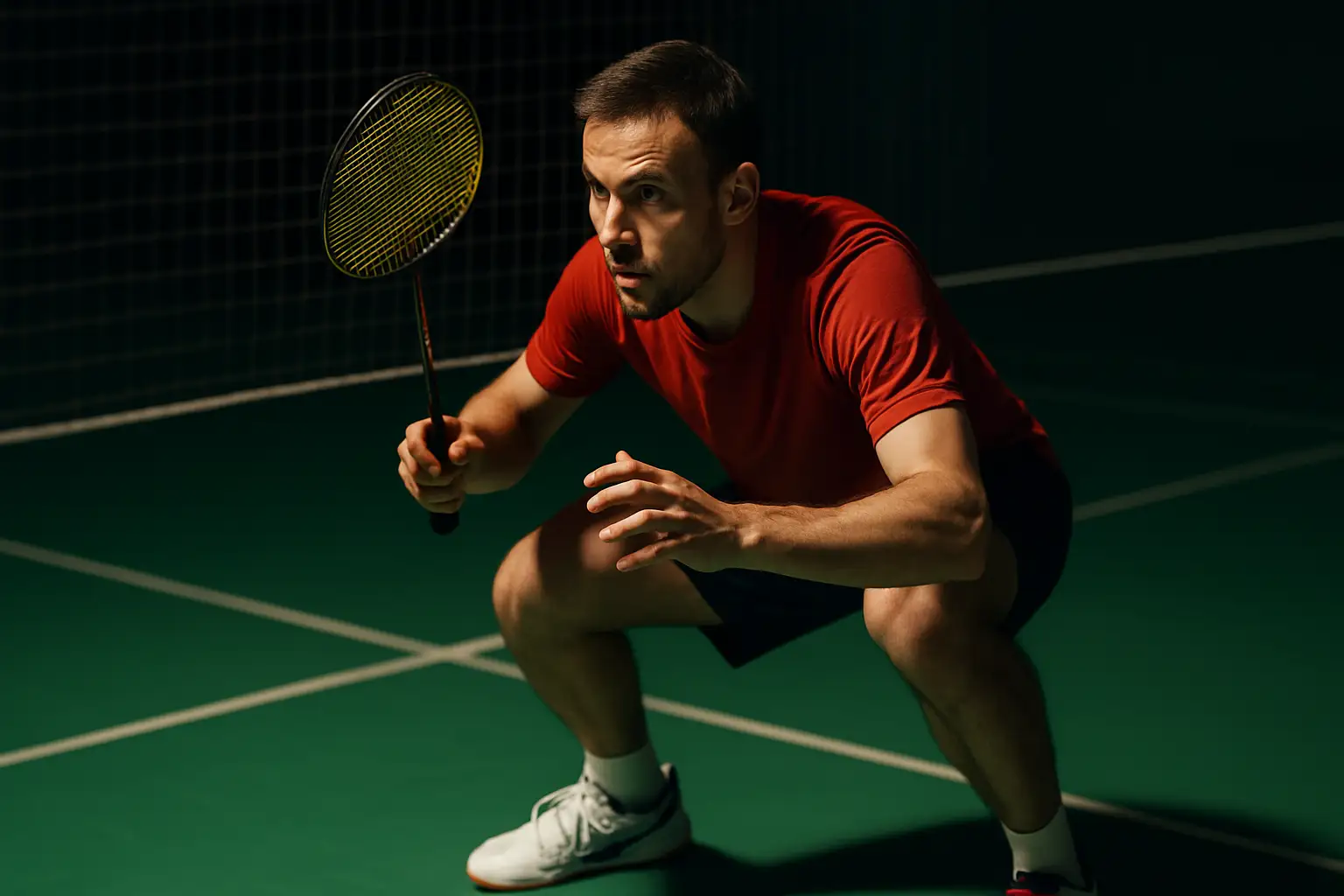
Shetty's technique relies on keeping a compact ready position, limiting unnecessary movement and reducing the time needed to react. His grip control allows him to deflect hard-driven shots with minimal backswing, which is critical when the shuttle is travelling at top speed across a short distance.
Coaches and commentators have pointed out that this kind of defensive solidity is not purely instinctive. It is built through repetitive training drills designed to sharpen hand speed and improve anticipatory reading of the game. Shetty's consistency in high-pressure situations suggests that work has paid off at the highest level.
Shetty's Role in India's Doubles Ambitions
Chirag Shetty partners with Satwiksairaj Rankireddy in men's doubles, a combination that has become one of the most feared pairings on the international badminton circuit. The two have complemented each other well, with Satwik's aggressive attacking play often supported by Shetty's steadier, more measured defensive contributions at the net.
Their partnership has delivered results on the BWF World Tour, with the pair claiming titles at multiple top-tier events. India's doubles programme has grown considerably in stature over the past few years, and the Satwik-Chirag combination sits at the heart of that progress.
Shetty's defensive capabilities give the pair a safety net that allows Satwik to attack with greater freedom. Knowing that a well-defended exchange can flip the momentum of a rally changes the tactical approach of both players in a match situation.
Why Reflexes Matter More Than Raw Power at the Net
In elite doubles, raw power alone does not win net battles. Players who rely purely on hitting hard often find their smashes blocked back with equal effectiveness by opponents who have mastered the block and lift. The real advantage comes from reading the game faster than the opponent and placing the shuttle where it cannot be reached.
Shetty's reflexes, as highlighted in the MSN report, give him that edge. His defensive game forces opponents to generate more and more power to find angles past him, which in turn increases their error rate. Over the course of a long match, that kind of sustained defensive pressure compounds.
For younger Indian doubles players watching Shetty operate at this level, the lesson is clear. The flashy smash draws the crowd, but the player who can defend like a wall and reset rallies controls the match. Shetty has made that principle look effortless, even when the shuttle is moving at speeds that test the limits of human reaction time.


Badminton Correspondent
Priya Nair covers badminton for 21.fun, from BWF World Tour results to player form, rankings and tactics.