Doubles Chemistry in Badminton: When Partners Have Each Other's Back
Great doubles badminton comes down to trust and instinct. A viral short clip is reminding fans just how electric true court chemistry can look in action.
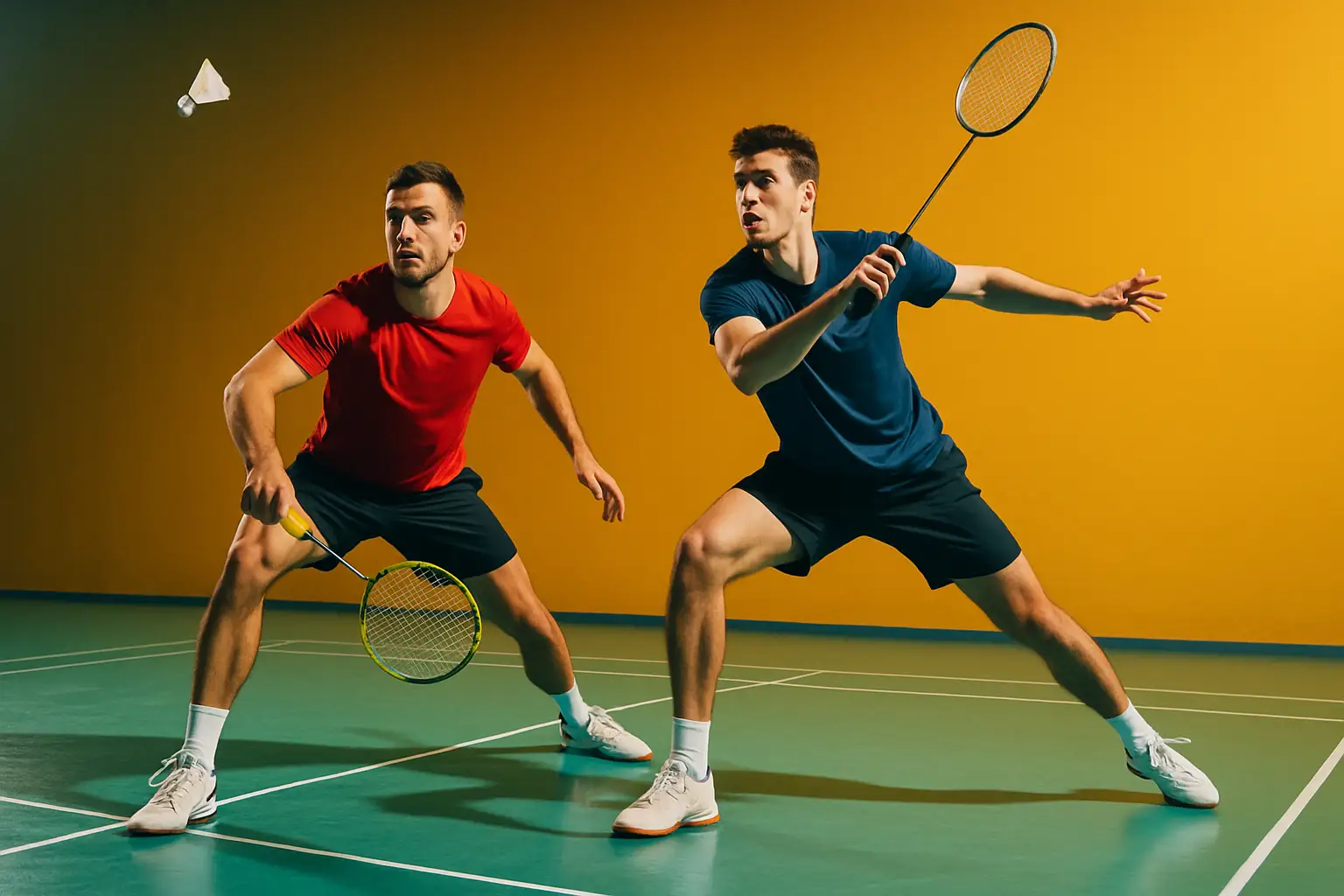


Doubles Chemistry Is the Heart of Badminton Pairs Play
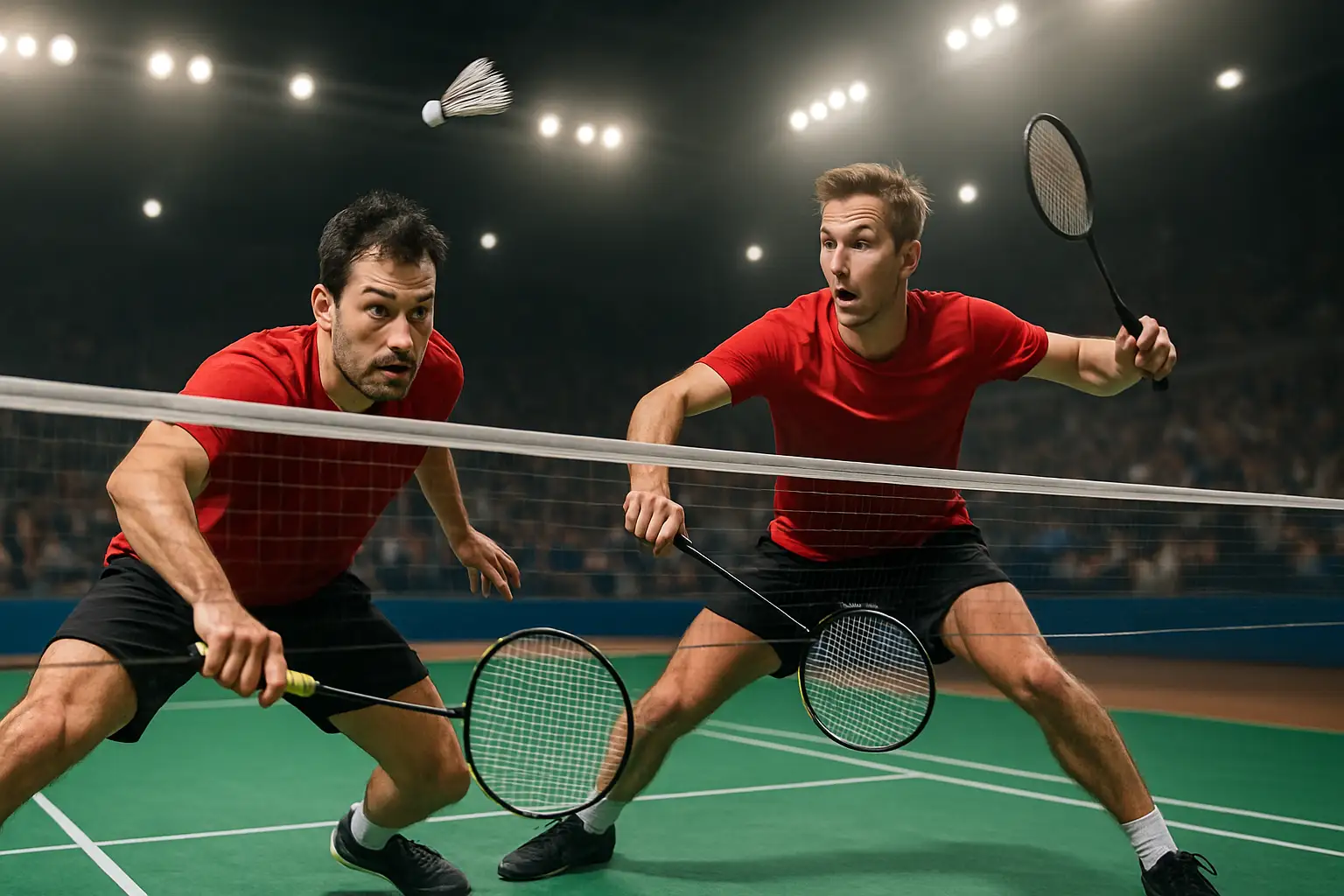
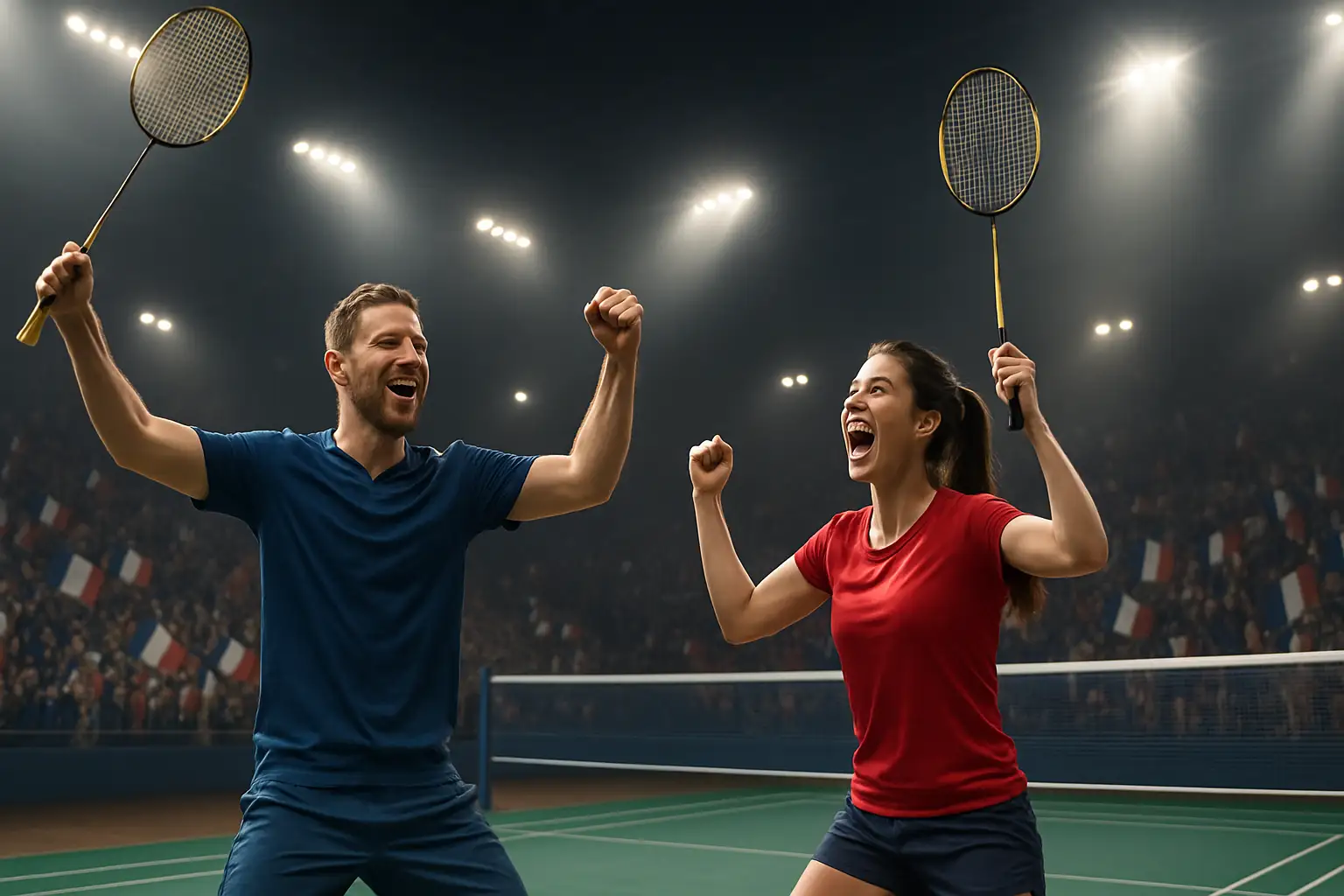
In badminton doubles, raw talent only goes so far. The pairs that win titles, draw crowds, and dominate highlight reels are almost always the ones built on deep court chemistry. A short-form video circulating on MSN is putting that idea front and center, capturing a doubles rally where two partners move as if they share a single mind, each one covering ground and recovering position in a way that leaves little to chance.
The clip, shared under the caption referencing ultimate doubles chemistry and partners having each other's back, runs as a brief but sharp showcase of what synchronized doubles play looks like at its best. It may be short in length, but the moment it captures says a lot about what separates functional doubles pairs from truly elite ones.
What Court Chemistry Actually Means
Doubles badminton is a different game from singles. The court is the same size, but two players must divide responsibility for it in real time, often without speaking. Rotation, positioning, and recovery all depend on anticipating your partner's next move before it happens.
When chemistry breaks down, the gaps appear fast. One player drifts too far back. The other hesitates on a net shot. An opponent exploits the seam between them. Even experienced pairs can fall apart under pressure if the trust is not there.
The pair featured in the viral clip avoids all of that. Their movement is compact and coordinated. When one player is pulled wide or driven back, the other shifts to cover without being asked. That kind of instinctive adjustment takes repetition, communication during practice, and a willingness to trust your partner completely during a rally.
Why These Moments Resonate with Fans
Short-form badminton content has grown steadily across social platforms, and clips like this one tend to perform well because they distill something complex into a single, easy-to-understand moment. You do not need to follow the professional circuit closely to appreciate two players moving in perfect sync.
For casual viewers, the appeal is the spectacle. For players and coaches, there is more to unpack. The footwork patterns, the communication implied by body position, the speed at which each player reads the shuttle and adjusts, these are things that competitive doubles players study and practice for years.
The fact that the moment was clipped and shared as a short reflects a broader trend in how sports content travels. A single rally, a single defensive save, a single moment of athletic connection can reach an audience that a full match broadcast never would.
Building the Kind of Partnership Shown in the Clip
Doubles pairs do not arrive at this level of chemistry quickly. Most successful partnerships log hundreds of hours on court together before their movement starts to feel automatic. Coaches working with junior and club-level doubles players often point to communication as the first thing to develop, even before technical refinement.
Calling for the shuttle, signaling rotations, and maintaining awareness of where your partner is standing all build the foundation. Over time, the verbal cues become shorter, then almost disappear, replaced by a shared reading of the game.
The clip making rounds on MSN is a clean example of what that endpoint looks like. Two players, one unit, covering each other without hesitation. That is the standard that makes doubles badminton worth watching.


Badminton Correspondent
Priya Nair covers badminton for 21.fun, from BWF World Tour results to player form, rankings and tactics.