World Cup 2026 Signals Booming US Soccer Appetite, Say Ted Lasso Creators
The creators of Ted Lasso say the upcoming FIFA World Cup is a clear sign that American interest in soccer has reached a genuine tipping point.



World Cup Timing Meets a Shifted US Sporting Landscape
The FIFA World Cup coming to North America in 2026 is not just a logistical milestone. According to the creators of the hit comedy series Ted Lasso, it reflects something deeper: a real and growing US appetite for soccer that has been building for years.
The show's producers spoke to the convergence of their series and the broader cultural moment, arguing that American audiences are now genuinely engaged with the sport rather than simply tolerating it as a once-every-four-years curiosity. Their comments, reported by The Star, point to a shift that sports analysts and broadcasters have been tracking for some time.
Ted Lasso, which follows an American football coach hired to manage a fictional English Premier League club, became a global streaming hit and introduced millions of US viewers to the rhythms, culture, and emotional stakes of soccer. The creators say that connection is no accident, and that the World Cup hosting rights reflect where the American sporting public actually is right now.
What the Creators Actually Said
The Ted Lasso team described the World Cup as a kind of confirmation. Their argument is straightforward: a country does not host the world's biggest sporting event without a fan base capable of sustaining it. The fact that the United States, alongside Canada and Mexico, will host the 2026 tournament suggests FIFA itself sees that the market has matured.
For the creators, the show arrived at the right moment. They have pointed to rising Major League Soccer attendance figures, the growth of youth participation in the sport, and the increasing presence of soccer coverage on mainstream US television as evidence that the appetite is real, not manufactured.
They also suggested that storytelling played a role. By centering a soccer narrative on an American character navigating an unfamiliar sporting culture, Ted Lasso gave US audiences a recognizable entry point into a world that can feel distant. That creative choice appears to have paid off.
Badminton and Niche Sports Watch a Template Emerge
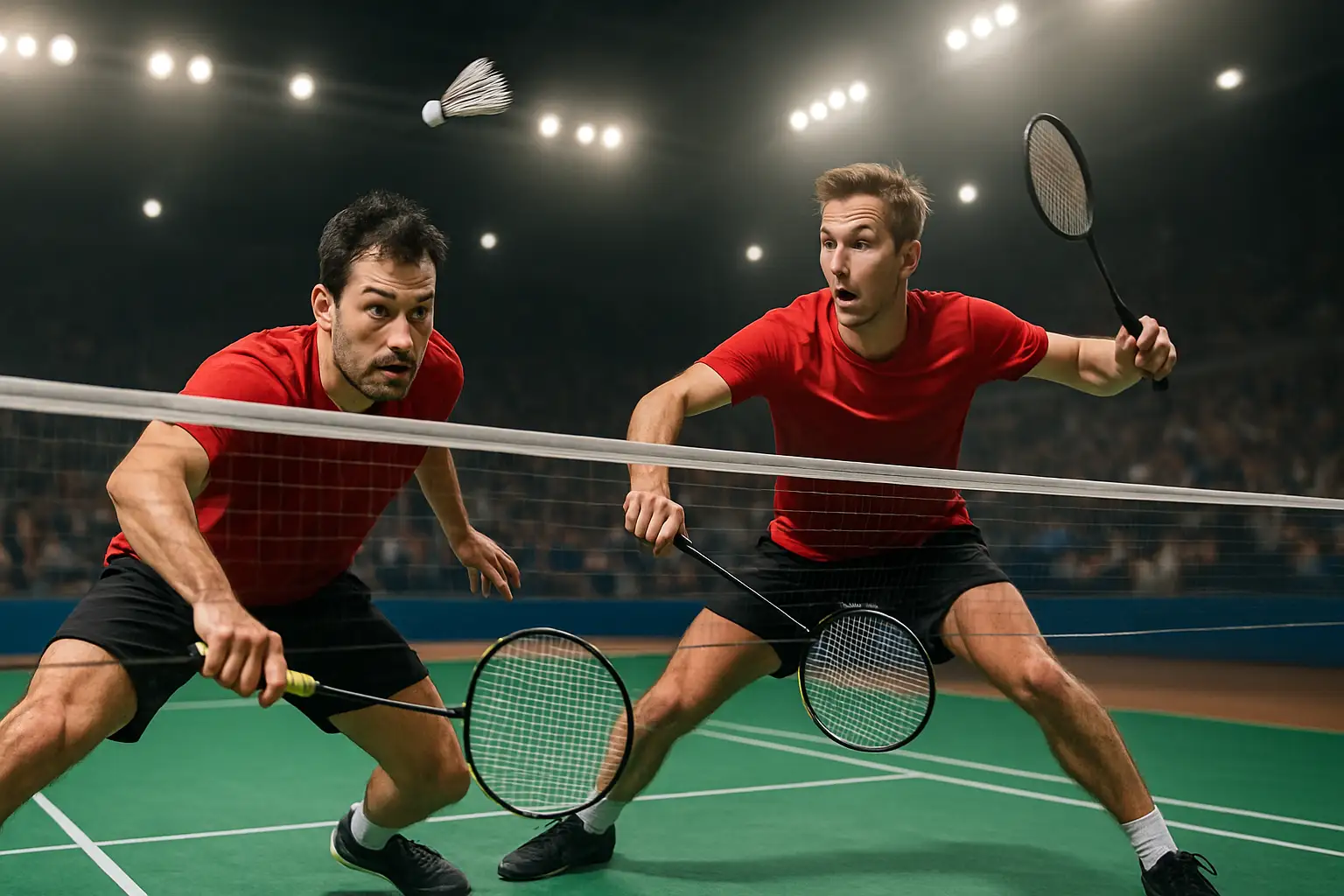
The Ted Lasso effect carries lessons that reach beyond soccer. Sports with smaller but passionate US followings, including badminton, have long faced the challenge of breaking into mainstream consciousness. Soccer's trajectory offers one possible template: patient grassroots development, smart storytelling, and a marquee event that forces casual audiences to pay attention.
Badminton in the United States has seen incremental growth at the recreational and competitive levels, but it has not yet had its Ted Lasso moment or its World Cup equivalent in terms of US hosting. The comparison is instructive. When a sport gets a cultural narrative attached to it, and when a high-profile event lands on home soil, the combination can shift perception quickly.
Soccer spent decades being dismissed as a sport that Americans would never embrace at scale. The 2026 World Cup, and the popular culture around shows like Ted Lasso, suggest that prediction was wrong. Other sports watching from the margins will be taking notes.
What Comes Next for Soccer in the US
With the 2026 tournament less than two years away, investment in soccer infrastructure, broadcasting deals, and youth development programs across the United States is accelerating. The creators of Ted Lasso are part of a broader entertainment and sports ecosystem that stands to benefit from that momentum.
Whether the World Cup produces a lasting bump in US soccer fandom or fades after the final whistle is the central question facing the sport's organizers and backers. Historical precedent from the 1994 World Cup, also hosted on US soil, suggests the effects can be durable. MLS launched the following year and has grown steadily since.
The Ted Lasso creators seem confident the conditions are different now, and more favorable. Streaming has globalized sports fandom, younger American audiences have grown up with soccer as a normal part of the sporting calendar, and the cultural stigma that once attached to liking the sport has largely dissolved.
Their read of the moment may prove correct. The World Cup will provide the answer.


Badminton Correspondent
Priya Nair covers badminton for 21.fun, from BWF World Tour results to player form, rankings and tactics.