Angel Tree Sports Camp Gives Chicago Kids With Incarcerated Parents a Shot at Basketball
Children with incarcerated parents are finding community and support at Angel Tree Sports Camp's basketball program held at Chicago's Hope Student Athletic Center.


Basketball Camp Offers More Than Just Drills
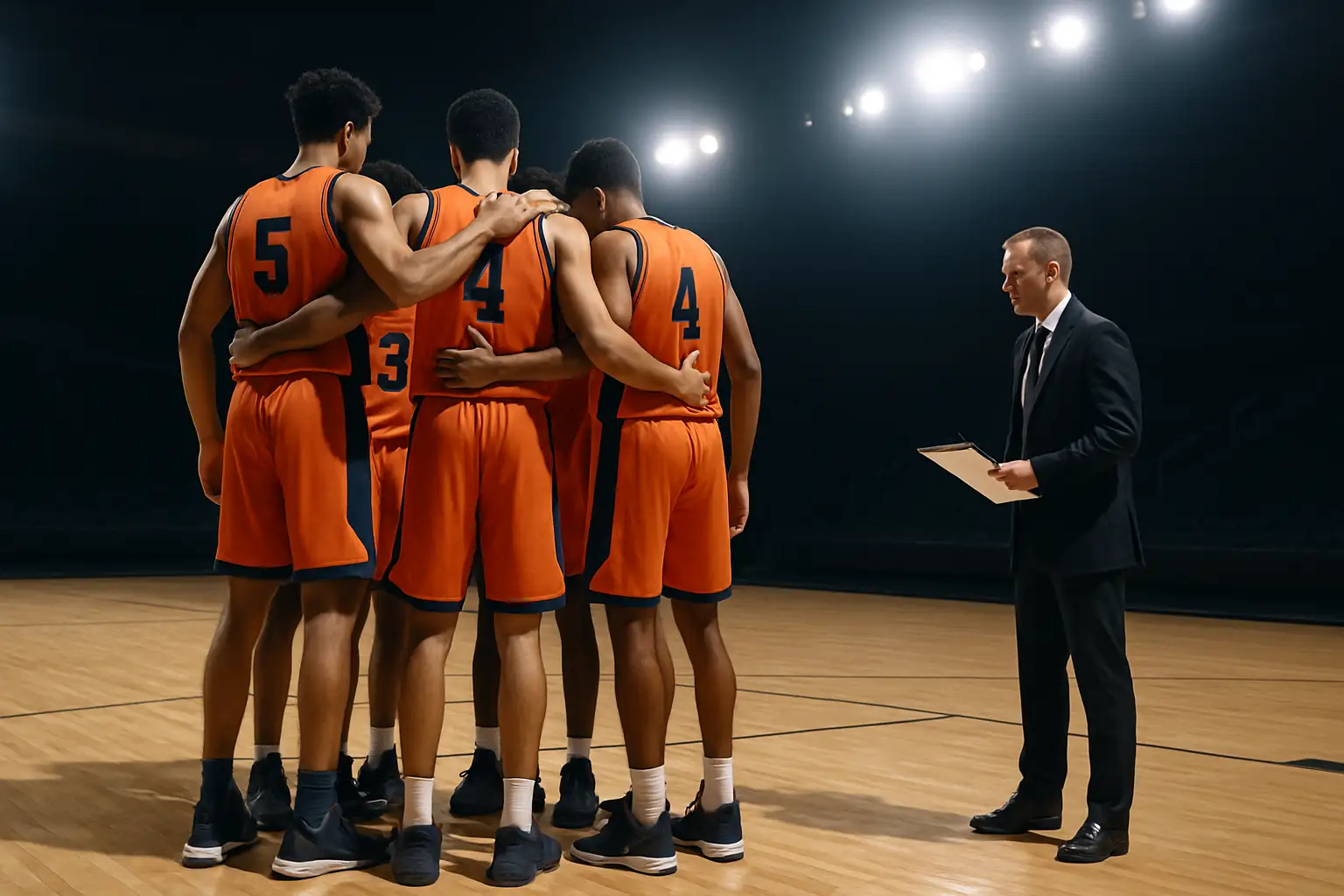
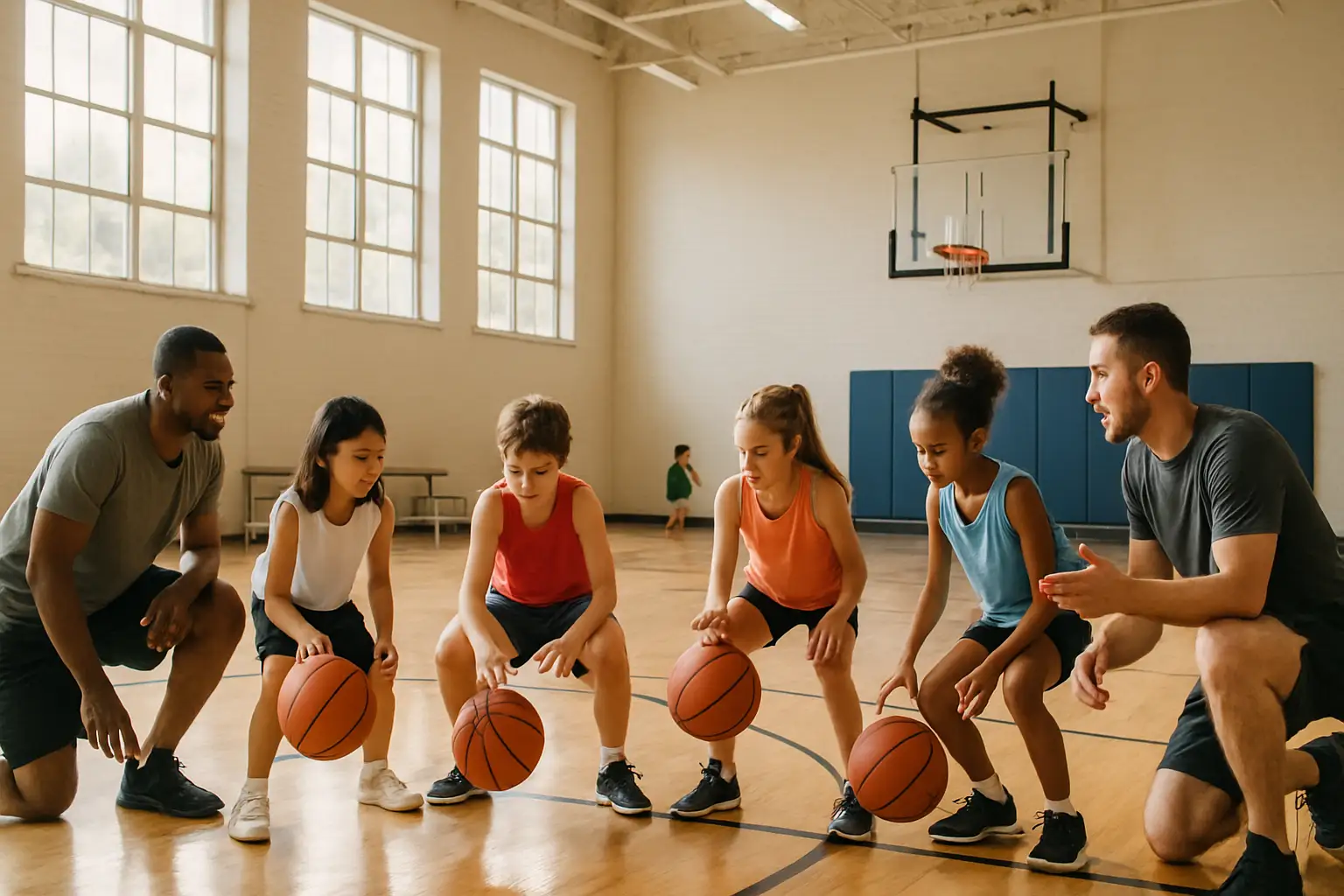
At the Hope Student Athletic Center in Chicago, a basketball camp is doing something that goes well beyond teaching crossovers and free throws. Angel Tree Sports Camp is bringing together children who share a difficult reality: a parent behind bars. According to reporting by ABC7 Chicago, the program gives these kids a structured, supportive environment where the sport serves as a bridge to mentorship, belonging, and stability.
For many of the campers, daily life carries a weight that most kids their age never face. Having a parent incarcerated can mean financial hardship, emotional distance, and social stigma. Angel Tree Sports Camp is designed specifically to reach this population, pairing basketball activities with broader support aimed at the whole child.
What Angel Tree Sports Camp Provides
Angel Tree is a program with roots in serving families affected by incarceration. The sports camp format uses basketball as a draw, getting kids through the door with something they enjoy, then surrounding them with adults who invest in their wellbeing.
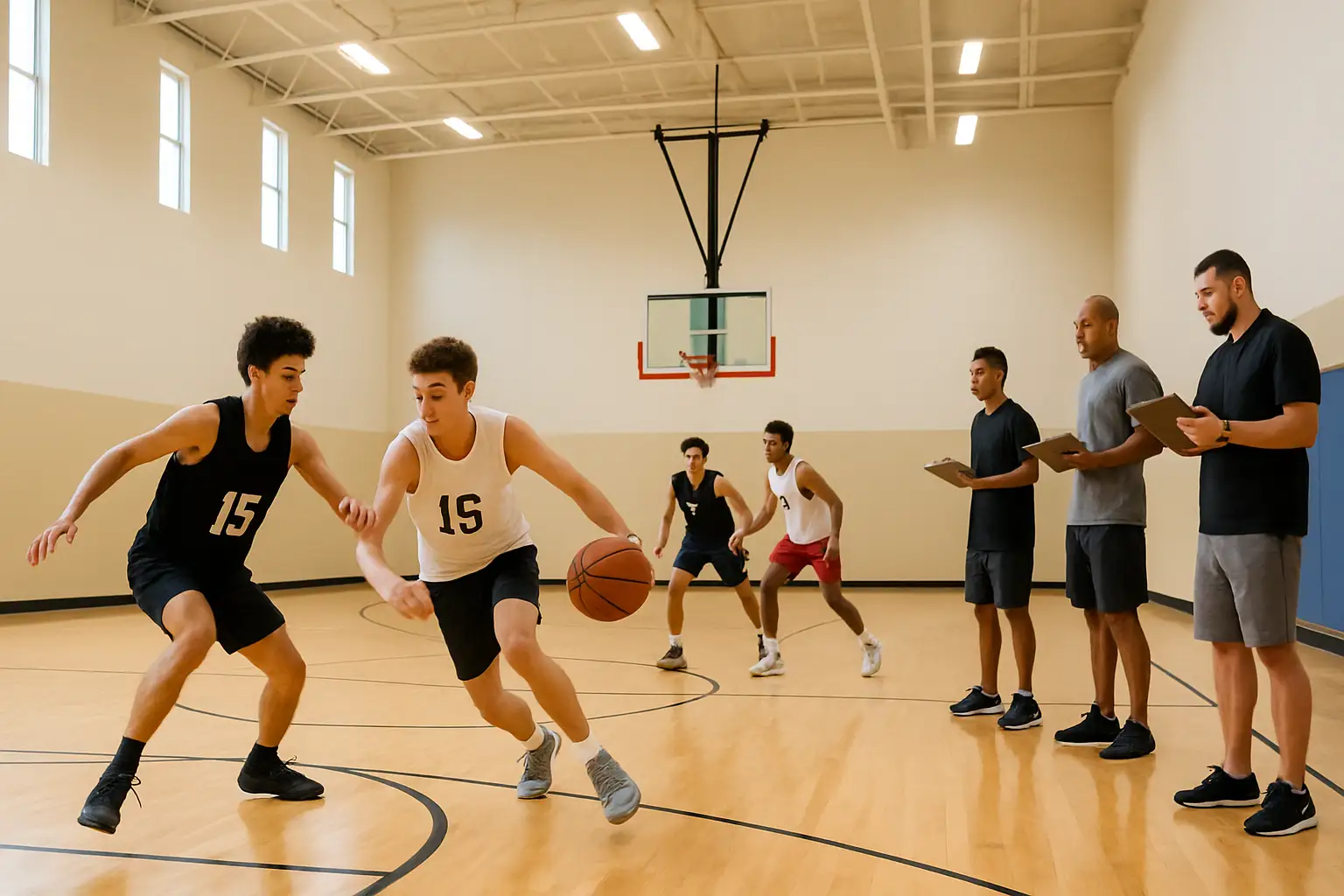
The Hope Student Athletic Center in Chicago provides the physical space for the camp. The gym setting gives participants a neutral ground, away from the pressures of home or school, where they can build friendships with peers who understand their situation firsthand.
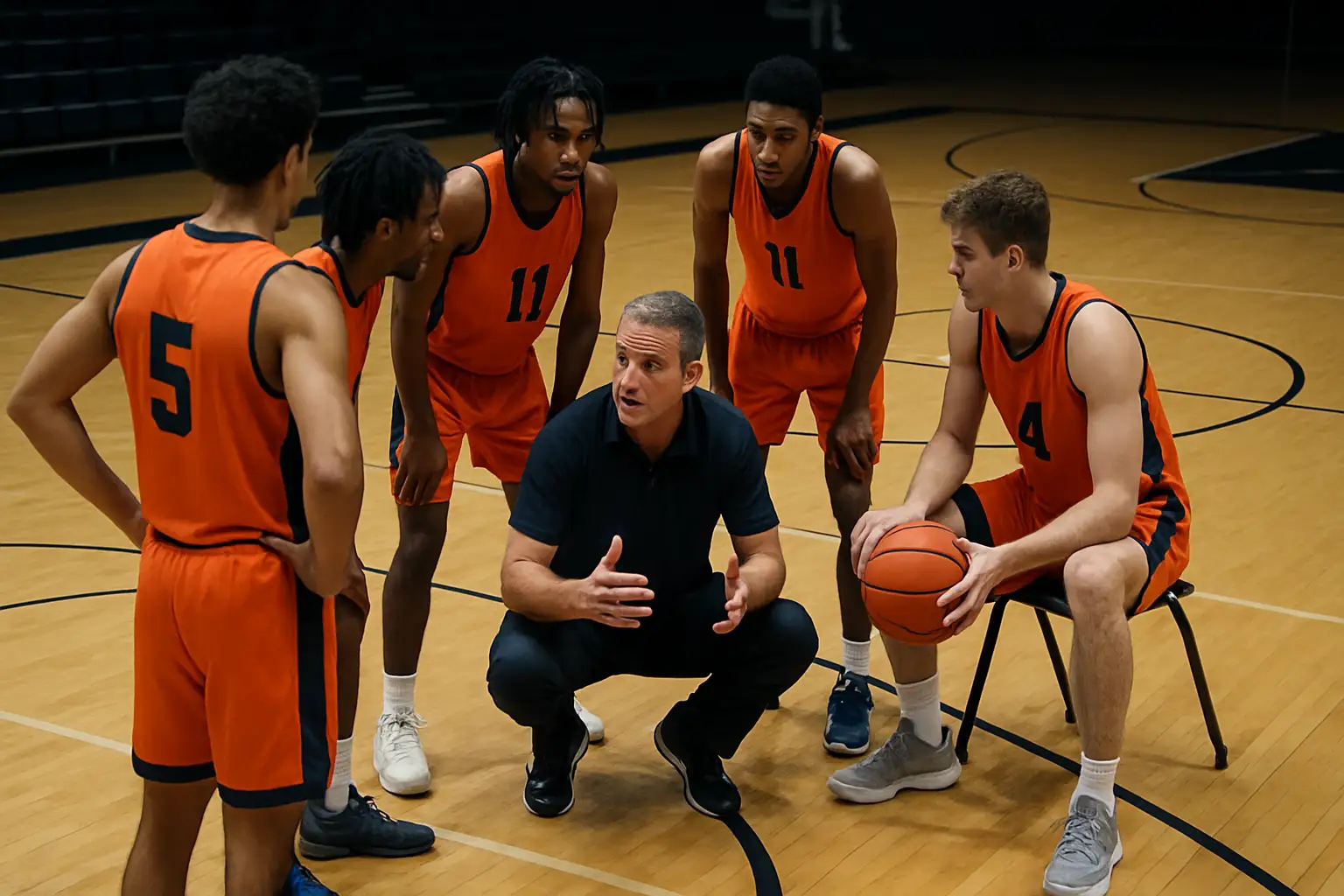
Counselors and volunteers at the camp work to make each child feel seen. The combination of athletic activity and personal attention is central to what makes the program distinct from a standard recreational camp.
Why This Program Matters in Chicago
Chicago has one of the largest populations of children affected by parental incarceration in the country. These kids are statistically more likely to face academic struggles, mental health challenges, and economic instability. Programs that specifically target this group are relatively rare, which makes Angel Tree Sports Camp's presence in the city notable.
Basketball, as a team sport, naturally reinforces skills that benefit these children off the court too. Communication, trust, accountability, and resilience all get practiced in a pickup game or a coaching session. For kids who may feel isolated at home, being part of a team can shift their sense of identity in a meaningful way.
The Hope Student Athletic Center's role as the host site also matters. Having a dedicated, safe athletic facility signals to participants that they deserve quality resources, not just a temporary fix.
Community Investment Behind the Baseline
Programs like Angel Tree Sports Camp rely on volunteer coaches, donors, and organizational partners to function. The camp's ability to serve children at no cost to families is critical, since many households dealing with incarceration are also dealing with reduced income.
ABC7 Chicago's coverage highlights that the camp is not just a feel-good summer activity. It is part of a longer effort to break cycles that can follow children of incarcerated parents into adulthood. Mentors at the camp often maintain relationships with participants beyond the camp schedule, which extends the impact well past the final whistle.
For the kids on those courts at the Hope Student Athletic Center, the game of basketball is real, but so is the message underneath it: that they have people in their corner, regardless of what is happening at home.