Caitlin Clark Speaks Out Against Harassment Targeting WNBA Players
Caitlin Clark has publicly condemned the wave of online harassment directed at WNBA players, as the league faces a reported surge in threats targeting athletes.
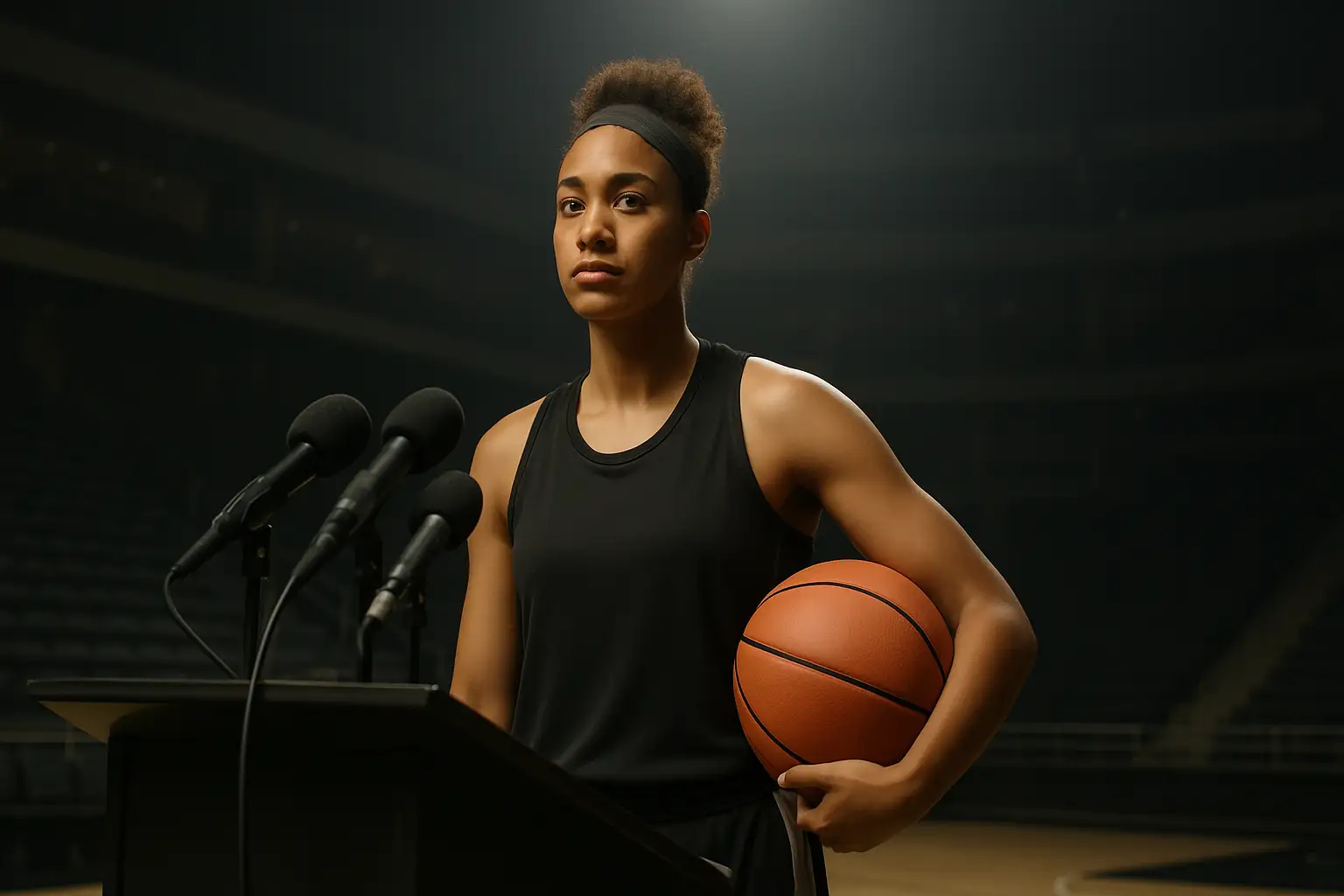


Clark Calls Out the Harassment Problem
Caitlin Clark is not staying quiet. The Indiana Fever star has publicly condemned what she described as "harassment" aimed at WNBA players, adding her voice to growing concern about a surge in online threats targeting women in professional basketball.
Clark's comments come as reports indicate the problem is worsening across the league. Players have been on the receiving end of threatening and abusive messages online, a trend that has alarmed athletes, team officials, and advocates for player safety alike.
For Clark, one of the most recognizable names in women's basketball right now, speaking out carries weight. She has drawn enormous attention to the WNBA since entering the league, and that spotlight has also illuminated some of the uglier behavior directed at players across the sport.
A League-Wide Issue, Not Just One Player
While Clark's profile makes her a frequent target, the harassment is not limited to her. According to reporting by CBC, WNBA players broadly have faced an increase in threatening messages and hostile online activity. The pattern points to a systemic issue rather than isolated incidents.
The rise of social media has given fans direct access to athletes, and that access has a dark side. Players across sports have long dealt with online abuse, but the scale and intensity of threats directed at WNBA athletes has drawn particular attention this season.
League observers have noted that the increased visibility of women's basketball, driven in part by Clark's record-breaking college career and her transition to the pros, has brought both new fans and new bad actors into the conversation.
What Players and the League Are Facing
The threats reportedly range from hostile commentary to more serious messages that raise genuine safety concerns. For professional athletes who are already managing demanding schedules, public scrutiny, and the pressures of competition, the added burden of monitoring and absorbing online abuse takes a real toll.
Clark's decision to speak publicly about harassment signals that players are not willing to let the issue go unaddressed. Her platform gives the topic visibility it might not otherwise receive, and her framing of the problem as "harassment" rather than simply fan passion draws a clear line between acceptable enthusiasm and harmful behavior.
The WNBA has previously taken steps to address player safety and fan conduct, though the specifics of any league response to this latest surge have not been detailed in the available reporting.
Why This Moment Matters
The timing of Clark's comments is significant. Women's basketball is riding a wave of mainstream attention unlike anything the sport has seen in years. Attendance records have been broken, television ratings have climbed, and sponsorship interest has grown. That momentum is a genuine achievement for the league and its players.
But the harassment problem risks casting a shadow over that progress. When high-profile players feel compelled to speak out about threats and abuse, it sends a signal that the growth of the sport is not without complications.
Clark condemning the harassment publicly shifts the conversation in an important direction. It puts the responsibility on those sending threatening messages rather than on players to simply absorb the abuse as a cost of fame. Other athletes and advocates are likely to amplify that message as the season continues.
The CBC report highlights a situation that the league, its players, and its growing fanbase will need to reckon with together.