Dan Hurley Calls College Basketball 'Total Chaos,' Doubles Down on Player Development
UConn head coach Dan Hurley didn't hold back, blasting the current state of college basketball as 'total chaos' while pledging to keep building players at Storrs.
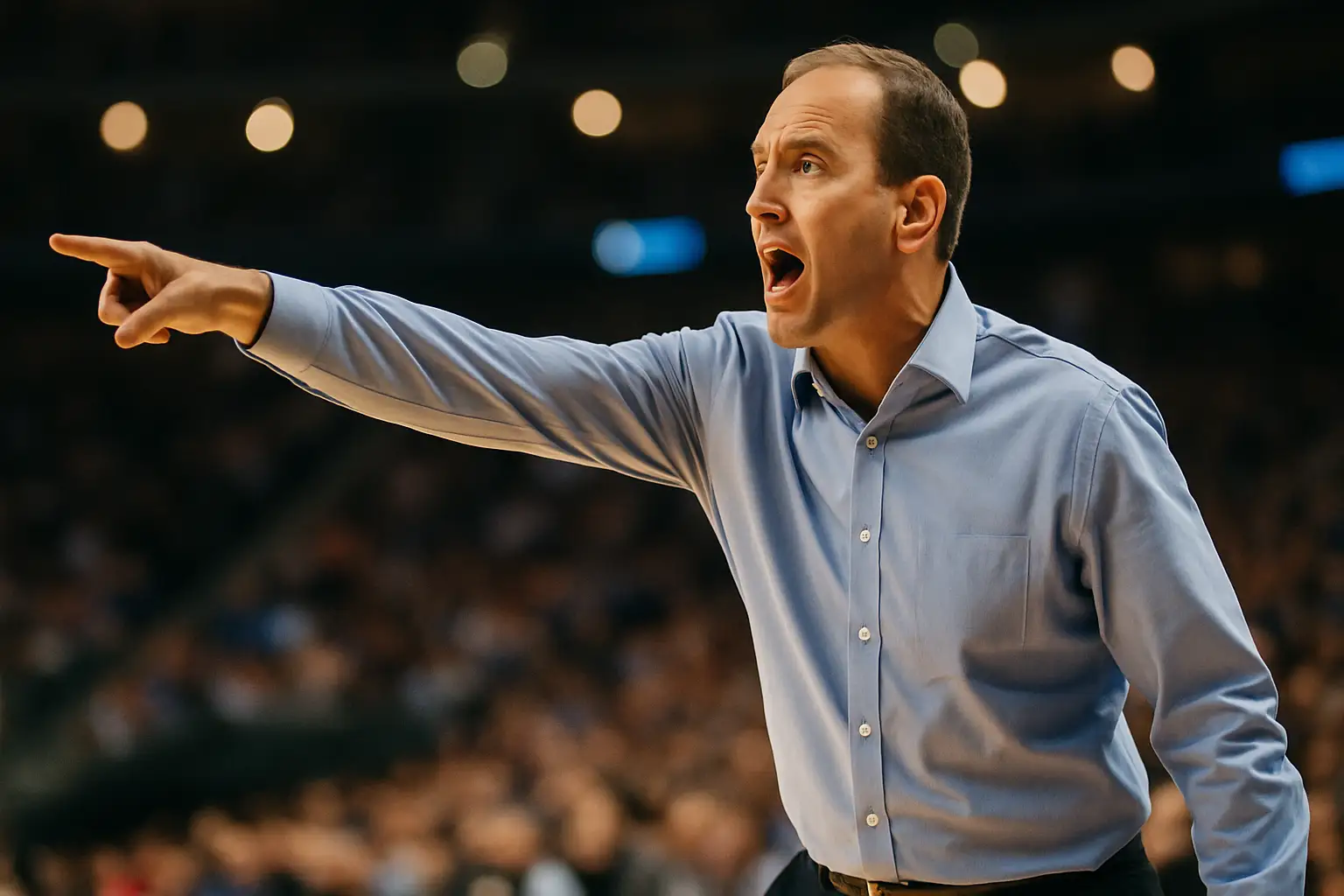


Hurley Takes Aim at College Basketball's Current State
UConn head coach Dan Hurley has never been shy about speaking his mind, and his latest comments are no exception. Hurley publicly labeled the present environment in college basketball "total chaos," a pointed critique that reflects growing frustration among coaches over roster instability, the transfer portal, and the shifting dynamics brought on by name, image, and likeness rules.
Hurley's remarks, first reported by Fox61, came as college basketball programs across the country continue to wrestle with a landscape that looks almost nothing like it did five years ago. Players cycle through rosters at a pace that makes multi-year program building a genuine challenge, and Hurley made clear he views the situation with serious concern.
For a coach who has built UConn into a back-to-back national champion program, the comments carry weight. He is not speaking from the fringes. He is speaking from the top.
UConn's Answer: Develop Players the Right Way
Rather than simply venting, Hurley paired his criticism with a concrete alternative. His emphasis, he said, remains on player development at UConn. The Huskies' approach centers on bringing in players, coaching them hard, and watching them grow over multiple seasons rather than patching rosters together each spring through the portal.
That philosophy has produced results. UConn won consecutive national championships, and a significant part of that success came from players who bought into a long-term developmental model. Hurley has repeatedly credited the program's culture and the willingness of players to trust the process as key factors in that run.
His comments suggest he intends to stay that course even as competitors lean heavily on portal additions and short-term roster fixes.
Why This Debate Matters Right Now
Hurley's frustration reflects a genuine fault line running through college basketball. Coaches on one side embrace the new era of player movement as a necessary correction that gives athletes more freedom and earning power. On the other side, coaches like Hurley argue that the constant churn makes it harder to build the kind of cohesive, disciplined teams that can compete deep into March.
The tension is real. Programs that once relied on recruiting high school prospects and developing them across four years now face pressure to reload instantly. A single bad season can trigger a roster exodus, and even successful programs find themselves fighting to retain key contributors.
NIL has added another layer. Financial offers can pull players toward programs with bigger donor networks regardless of fit or playing time opportunity, making traditional recruiting pitches harder to compete with on pure basketball terms.
Hurley's willingness to call the situation "total chaos" publicly puts him in a small group of high-profile coaches willing to go on record with sharp criticism rather than offering careful, diplomatic non-answers.
What This Means for UConn Going Forward
For UConn fans and recruits paying attention, Hurley's comments double as a mission statement. He is not promising the biggest NIL deals or the fastest path to a high-profile roster spot for transfer veterans. He is promising a program built around development, continuity, and winning through sustained effort.
Whether that model holds up against programs willing to spend aggressively in the portal remains to be seen. But Hurley's track record gives him credibility to make that argument. Two national titles in two years is a difficult counterpoint to dismiss.
His comments will likely fuel further debate about where college basketball is heading and whether the sport's decision-makers have the appetite to introduce guardrails around player movement and NIL. For now, Hurley appears content to lead by example at Storrs, even if he is loudly unhappy about the environment surrounding him.