Playing For Basketball Life: Freddie and Harry Face High-Stakes Hour 4
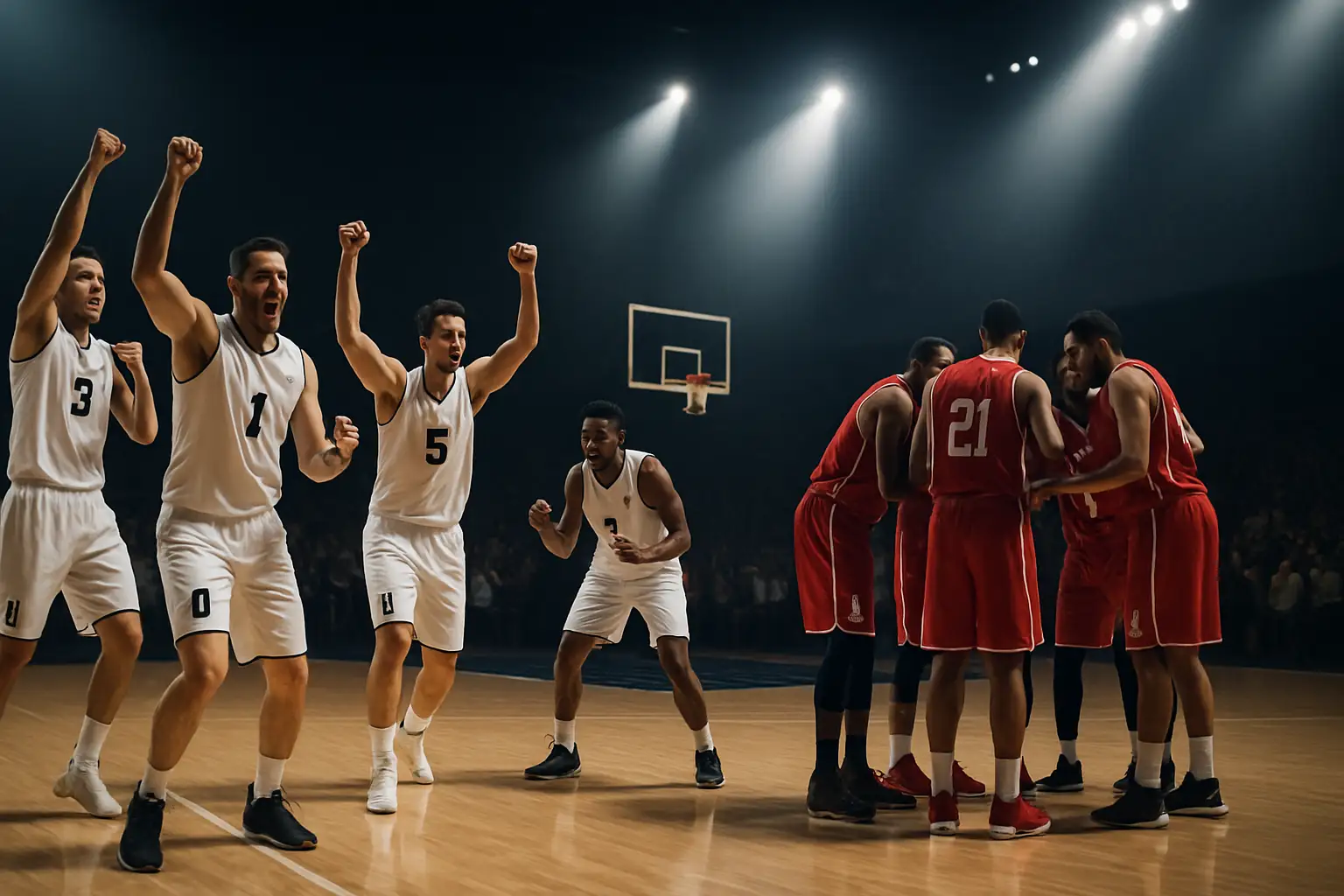
ESPN's coverage puts Freddie and Harry at the center of a high-pressure basketball moment, with both players competing in a segment where their basketball futures hang in the balance.



What 'Playing For Basketball Life' Actually Means
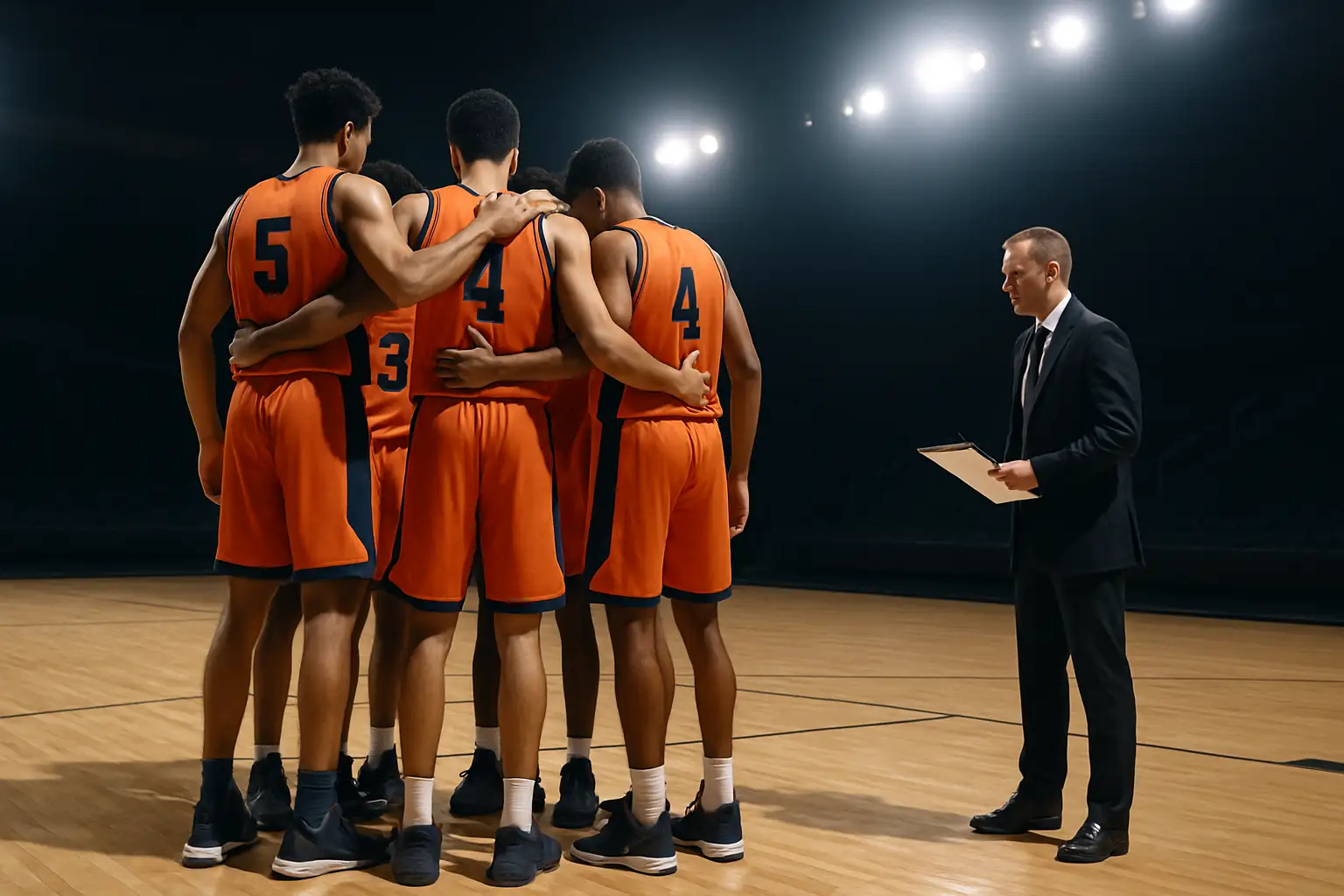
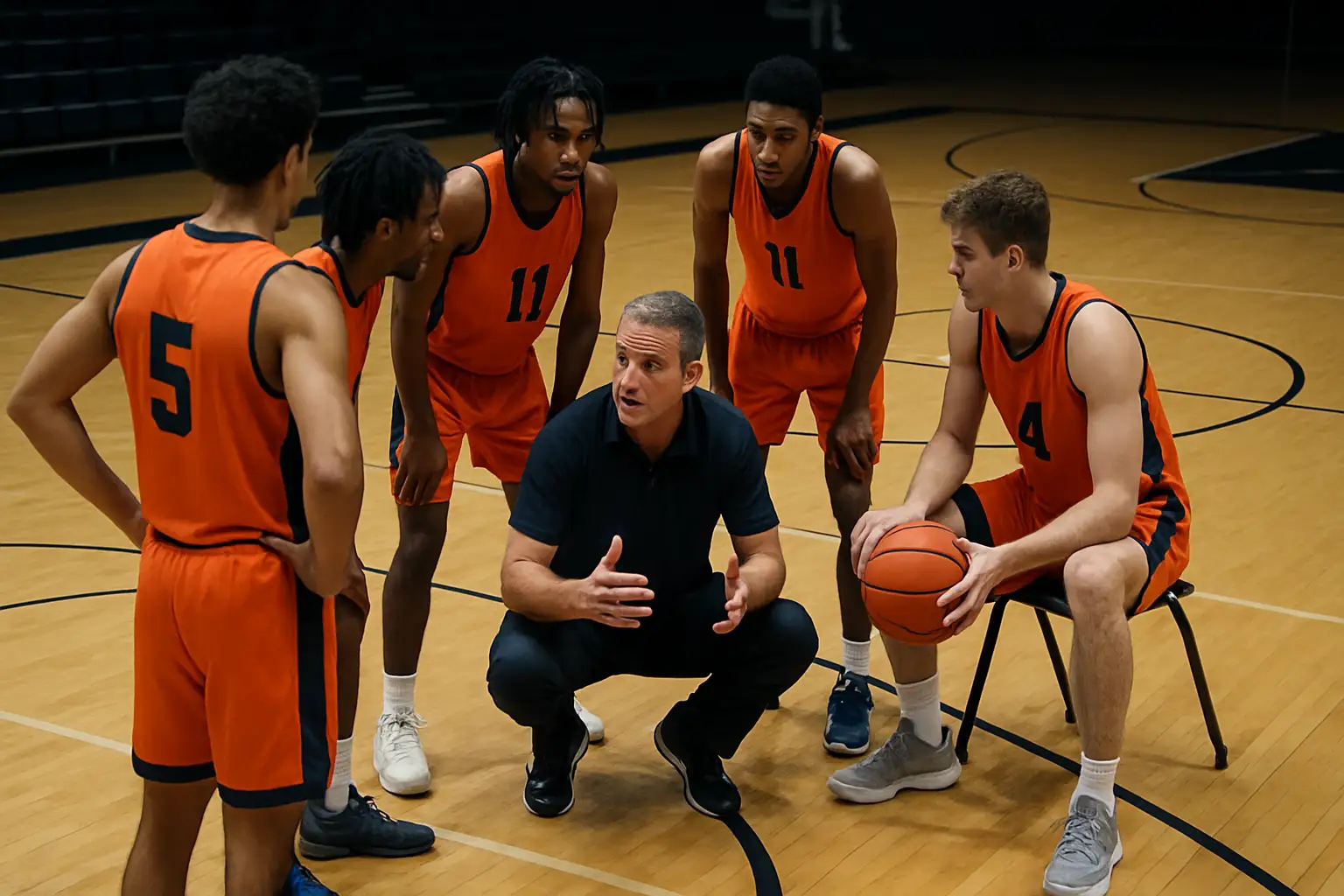
In competitive basketball circles, the phrase "playing for your basketball life" carries real weight. It signals that a player's roster spot, contract, or competitive future is on the line. ESPN's "Freddie and Harry" program brought that tension to the foreground in its fourth hour, framing the segment around exactly that kind of do-or-die competitive pressure.
The show, which airs on ESPN, used Hour 4 to spotlight Freddie and Harry as they faced a moment where the stakes extended beyond a single game or drill. According to ESPN's coverage, the segment was built around the concept of players competing with their basketball futures directly at risk, giving the broadcast a sharp, urgent edge that separated it from a standard highlight or analysis show.
For viewers tuning in, the framing was deliberate. ESPN has long used competitive reality-style formats to draw audiences into basketball content that goes deeper than box scores, and this segment fit squarely into that tradition.
Hour 4 and the Structure of the Show
The program's structure, broken into hours, suggests a longer-form format, one where each segment builds toward a conclusion. By the time Hour 4 arrived, the stakes had clearly escalated. The "playing for basketball life" label attached to this particular hour signals it was positioned as a climactic or pivotal portion of the broadcast.
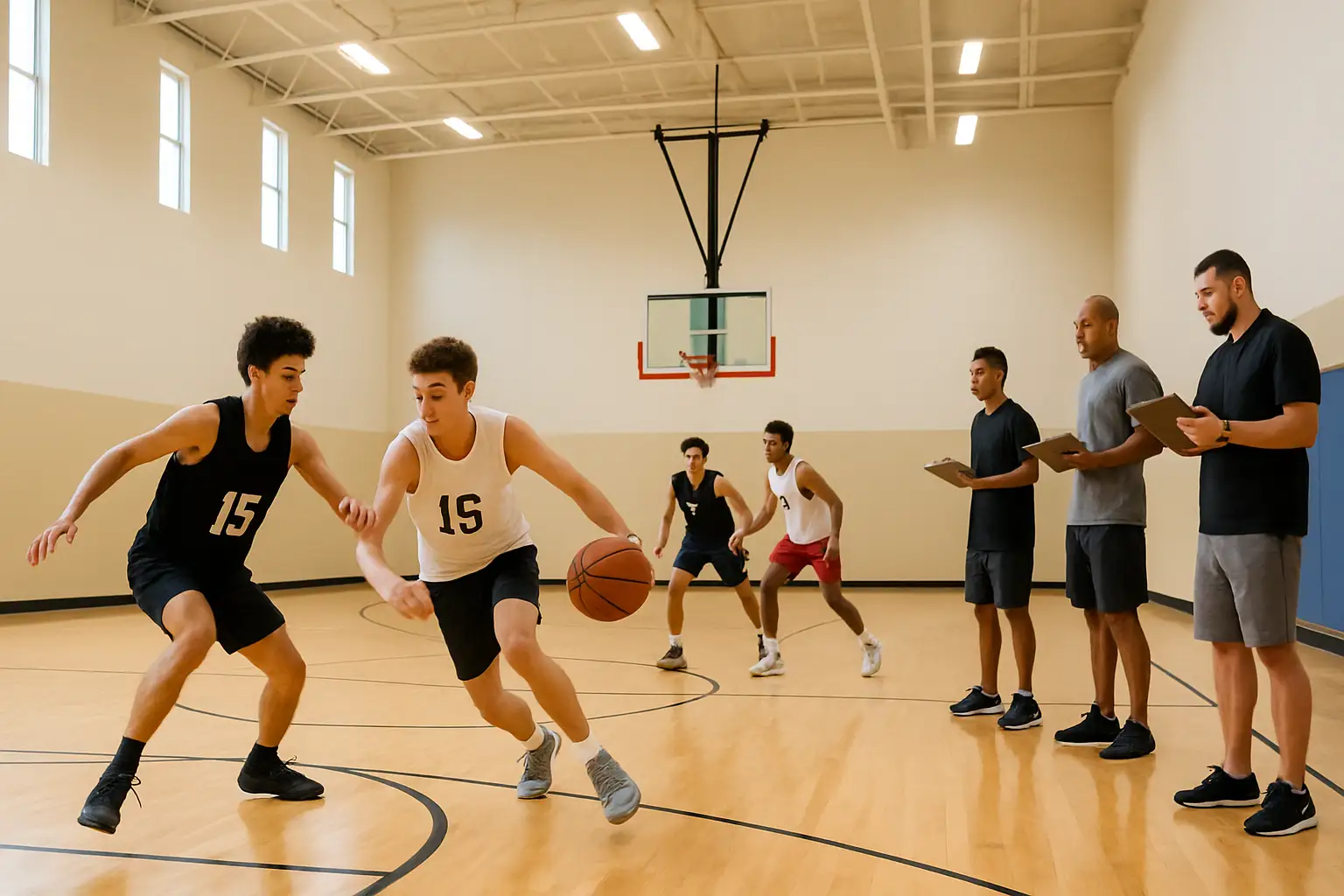
This kind of format puts individual players under a microscope. Every decision, every shot, every defensive rotation gets amplified when the audience understands that roster implications or competitive survival are part of the story. For Freddie and Harry, that meant performing under a level of scrutiny that casual pickup or practice settings simply don't replicate.
ESPN has used similar high-stakes framing in various basketball programs over the years, particularly in content tied to draft workouts, training camps, and developmental league evaluations. The "basketball life" concept taps into a universal sports narrative: prove yourself or go home.
Why This Kind of Coverage Resonates
There is a reason ESPN dedicates broadcast time to this format. Audiences connect with the human stakes underneath competitive sports. Knowing that a player is fighting for a job, a roster spot, or simply the right to keep calling themselves a professional basketball player reframes every possession.
Freddie and Harry, as the named subjects of this segment, carry that narrative weight through Hour 4. The show does not let viewers forget what is at stake, using the "playing for basketball life" framing as both a structural device and an emotional hook.
For players in developmental or evaluation settings, visibility on a platform like ESPN is itself significant. Getting broadcast time on a major sports network during a high-stakes segment can influence how scouts, coaches, and front offices view a player's profile.
The coverage, reported by ESPN, reflects a broader trend in sports media toward storytelling that blends competition with personal stakes. Rather than simply showing results, programs like this one try to make audiences feel the pressure that athletes operate under when their careers are genuinely on the line.
Hour 4 of the Freddie and Harry program, as framed by ESPN, delivered exactly that kind of moment, putting two players in a spotlight where performance was the only currency that mattered.