High School Basketball: Pipestone Arrows Skip the Off-Season
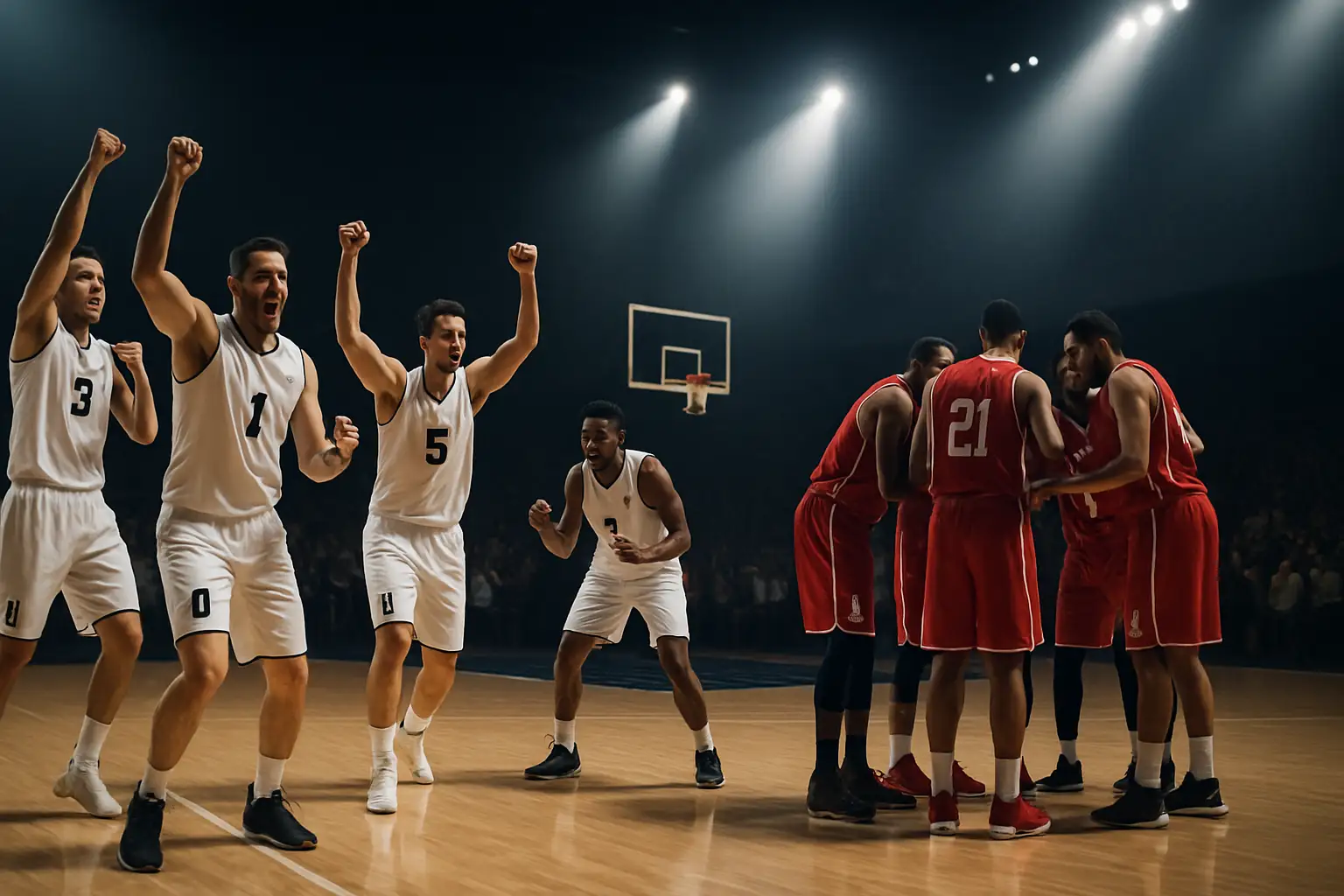
The Pipestone Arrows are putting in work year-round, proving that high school basketball success is built long before tip-off in November.


Arrows Treat Every Month as Game Prep
For the Pipestone Arrows high school basketball program, the calendar does not flip to an off-season. According to reporting by the Pipestone County Star, the Arrows have committed to year-round development, keeping players engaged in skill-building and conditioning well outside the traditional competitive window.
That kind of dedication is increasingly common among programs that compete at a high level in Minnesota prep basketball, but Pipestone appears to be making it a defining part of their identity. The message from the program is straightforward: the work done between seasons is what separates teams when the games actually count.
High school basketball programs that prioritize off-season activity typically focus on individual skill development, open gyms, summer league play, and strength conditioning. For young athletes, those months represent a critical window for growth that the regular season, with its packed schedule and game-to-game focus, rarely provides.
Building a Culture Beyond the Season
What the Pipestone County Star highlights is not just a training schedule. It is a cultural commitment from the Arrows program. When players choose to show up in June and July, when there are no standings and no scoreboards, it signals something about the standard the program expects.
Coaches across prep sports have long understood that talent alone rarely wins championships. The teams that consistently compete deep into postseason play tend to be the ones that treat the off-season as seriously as they treat conference games. Pipestone appears to be operating from that same philosophy.
For a smaller community program in southwest Minnesota, maintaining that level of commitment can be more challenging than it might be at larger metro schools. Fewer players, fewer resources, and the competing demands of rural student life can make year-round basketball a tougher sell. The fact that the Arrows are doing it anyway speaks to the buy-in from both the coaching staff and the players themselves.
What Year-Round Work Looks Like in Practice
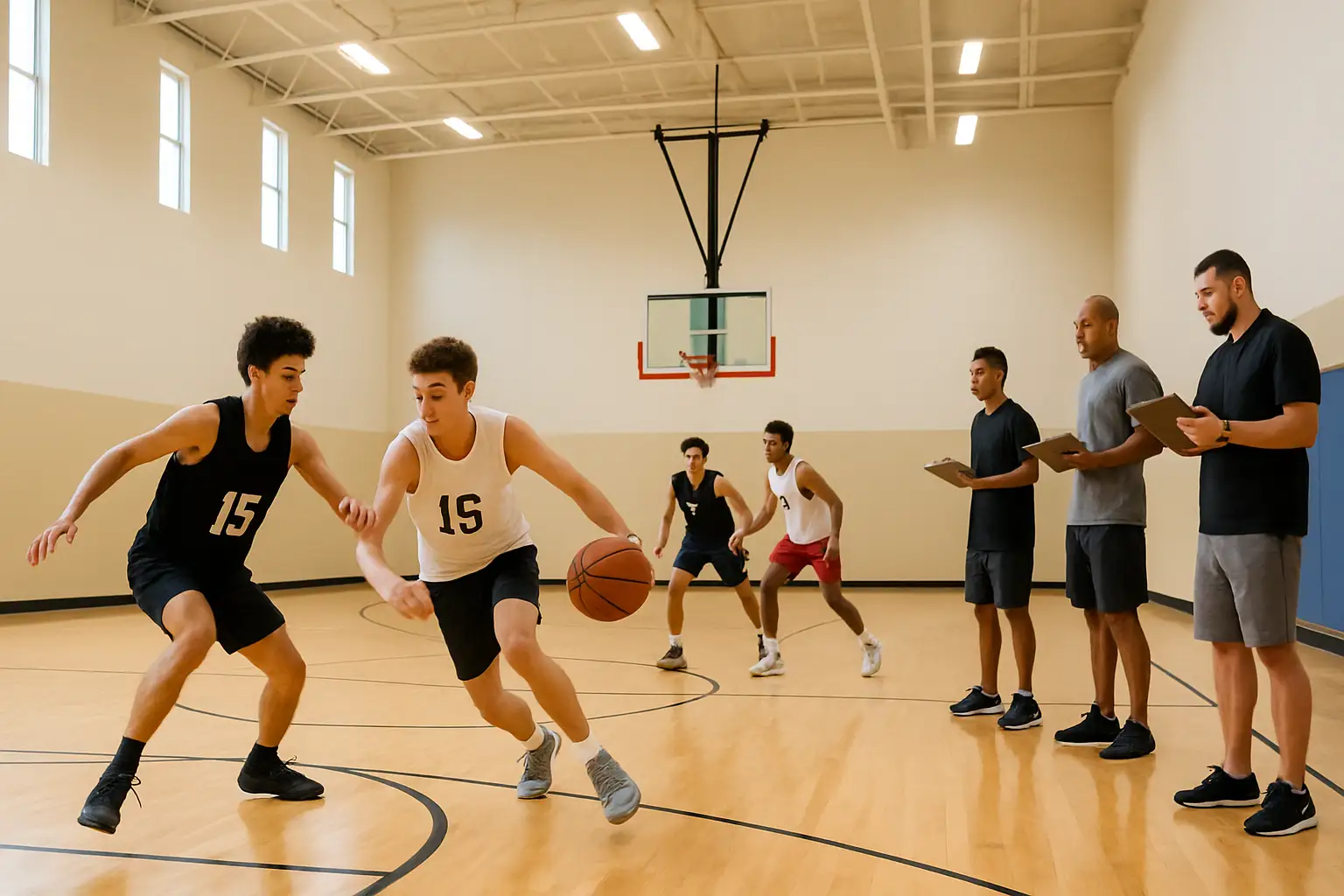
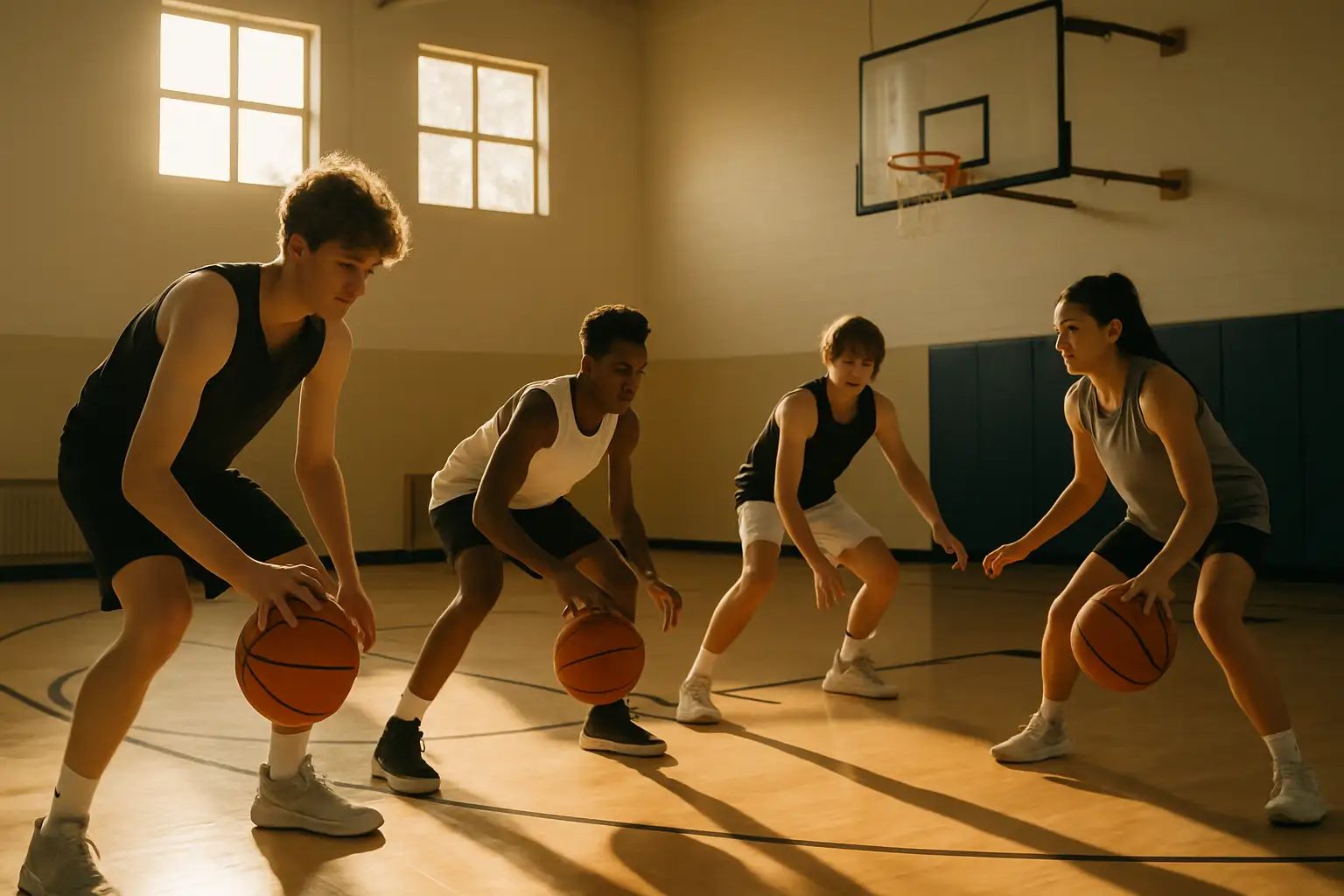
Off-season basketball in high school programs typically breaks into a few categories. There is the individual skill work, which includes ball-handling, shooting repetitions, and footwork drills that players can do with minimal supervision. Then there are organized team activities, open gyms supervised by coaches within the boundaries set by state athletic association rules, and summer league or tournament play that gives athletes live game experience.
Conditioning is another major piece. Basketball is a sport that demands endurance, lateral quickness, and explosive strength. Athletes who spend the summer maintaining or improving their physical base arrive at fall practice ready to compete for minutes from day one, rather than spending the first few weeks of the season simply getting into shape.
For programs like Pipestone, summer tournaments also serve a scouting and development function. Playing against different competition, in different environments, helps players encounter situations they might not face in their own conference. That broader experience can pay off when the postseason arrives and the opponent on the other side of the court is unfamiliar.
Why It Matters for a Program Like Pipestone
Small-school programs in Minnesota operate in a competitive landscape where depth is often limited. Losing a player to injury or foul trouble in a playoff game can swing an entire season. That reality makes individual development even more important. Every player on the roster needs to be capable of contributing, and that level of readiness is built in the off-season, not during it.
The Arrows' approach, as detailed by the Pipestone County Star, reflects a recognition of that reality. There is no coasting through summer and expecting results in February. The program is betting that consistent, year-round effort will accumulate into something meaningful when the postseason bracket is set.
For fans following the Arrows, the off-season activity is worth paying attention to. Programs that invest this kind of time and energy between seasons tend to show improvement year over year, even when rosters turn over. The habits and standards get passed from older players to younger ones, and the culture sustains itself.