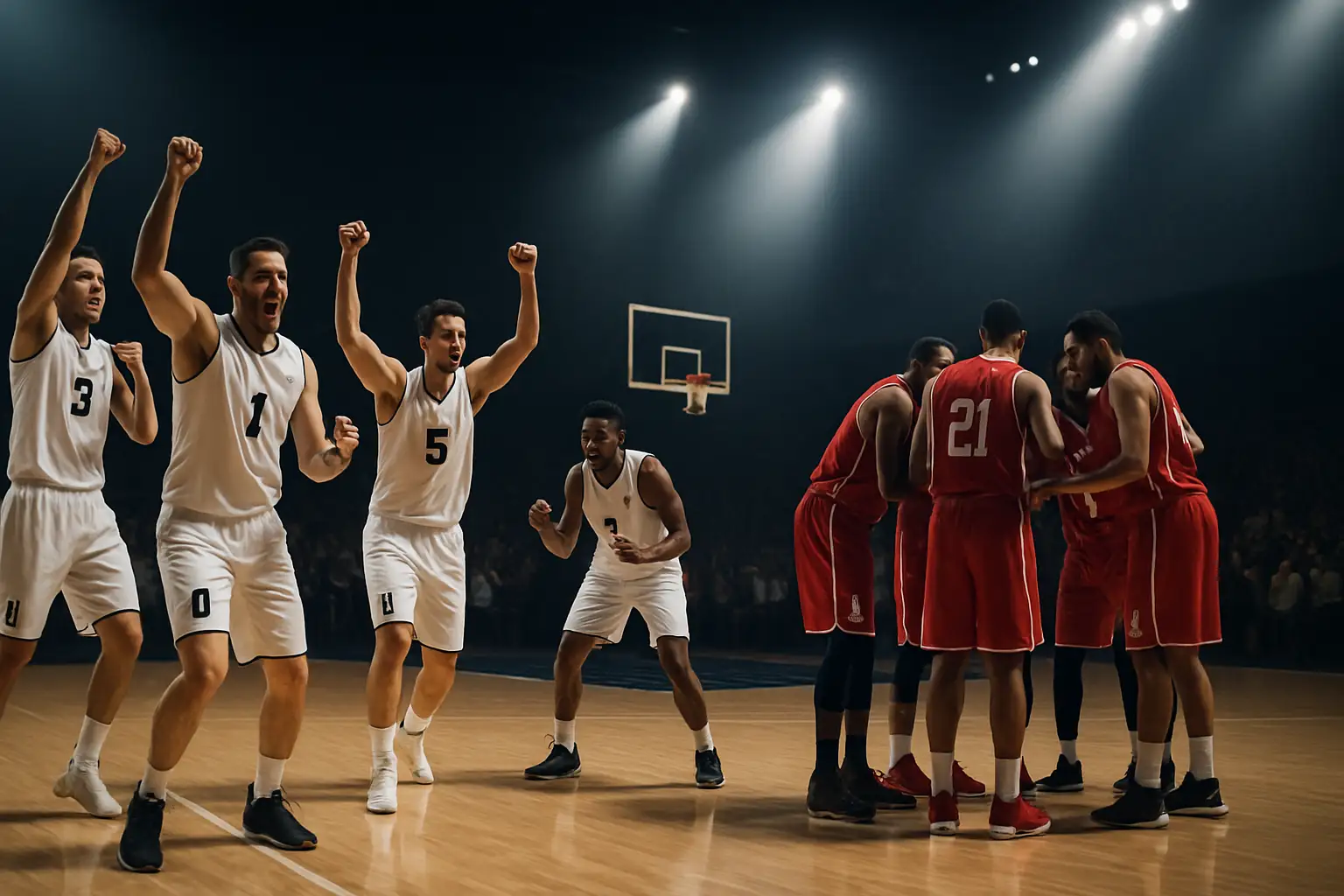
High School Girls Basketball Teams Put Skill Development First
High school girls basketball programs are shifting their priorities, emphasizing skill development over game volume as a path to long-term player growth.
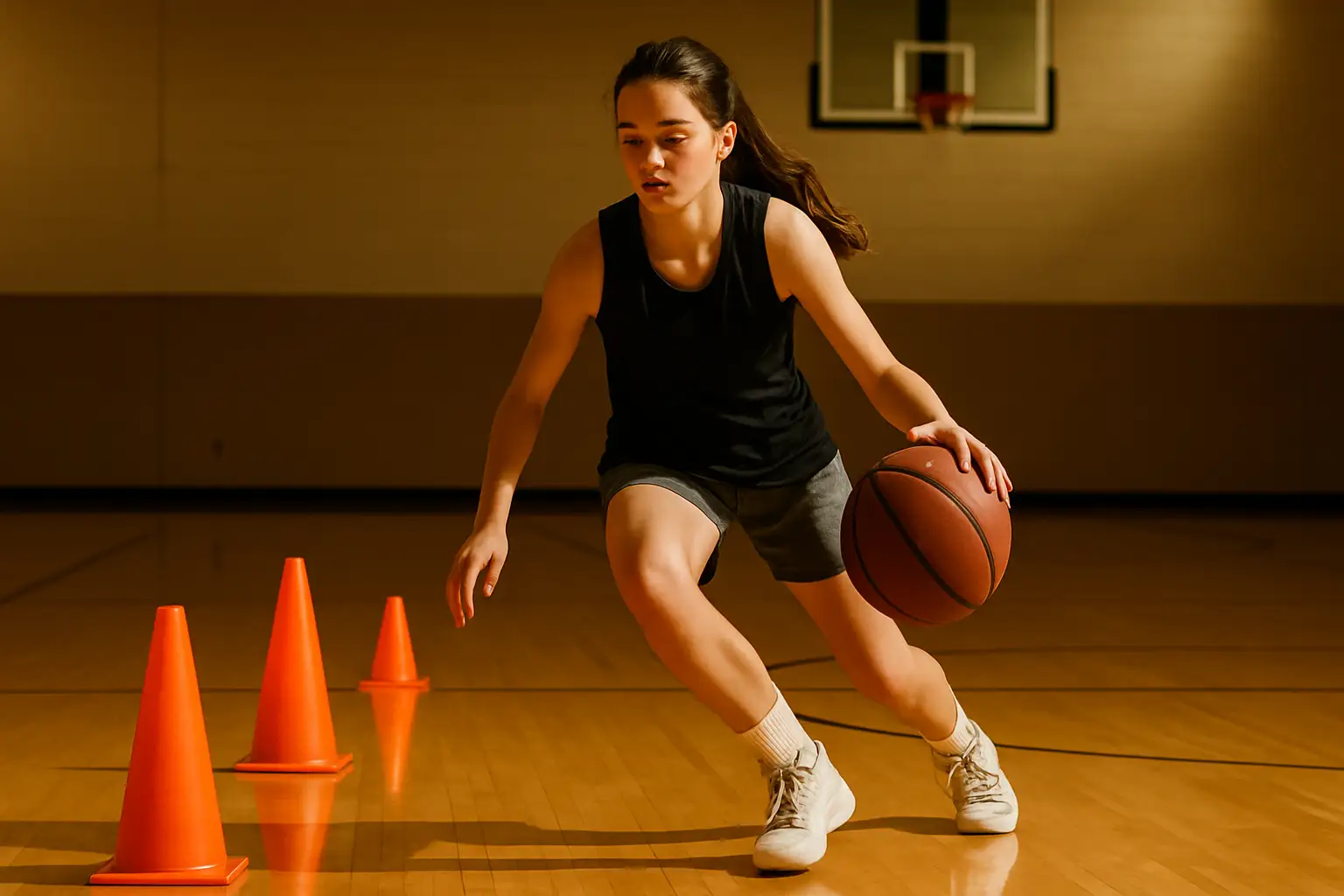


Skill Development Takes Center Stage in Girls Basketball
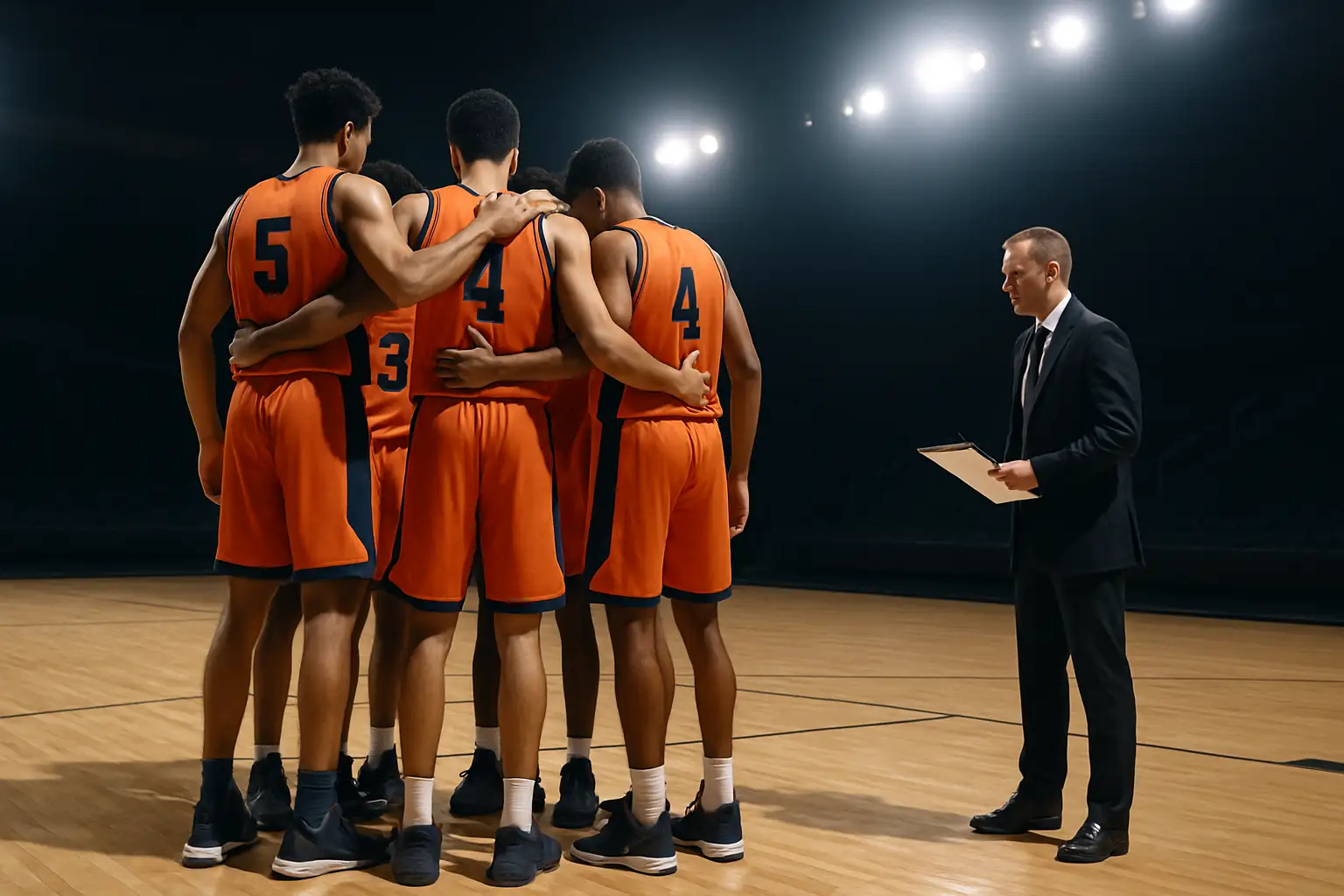
High school girls basketball programs are rethinking how they structure their seasons, with coaches increasingly prioritizing skill development over simply piling up games on the schedule. According to reporting from the Salisbury Post, teams in the region are making deliberate choices to build fundamentals and player confidence rather than chasing wins at the expense of growth.
The shift reflects a broader conversation happening across prep sports. Coaches have started to question whether playing as many games as possible actually produces better players, or whether it leaves little room for the kind of focused practice that sharpens individual technique.
For girls basketball specifically, the argument for development-first approaches carries extra weight. The pipeline from high school to college programs depends heavily on players arriving with polished skills, not just a long list of games played.
Why Coaches Are Choosing Fewer Games, More Practice
The reasoning is straightforward. A packed schedule means coaches spend most of their time preparing for opponents and reviewing film. Practice sessions get shorter. Repetition, which is how players actually internalize footwork, shooting mechanics, and defensive positioning, gets squeezed out.
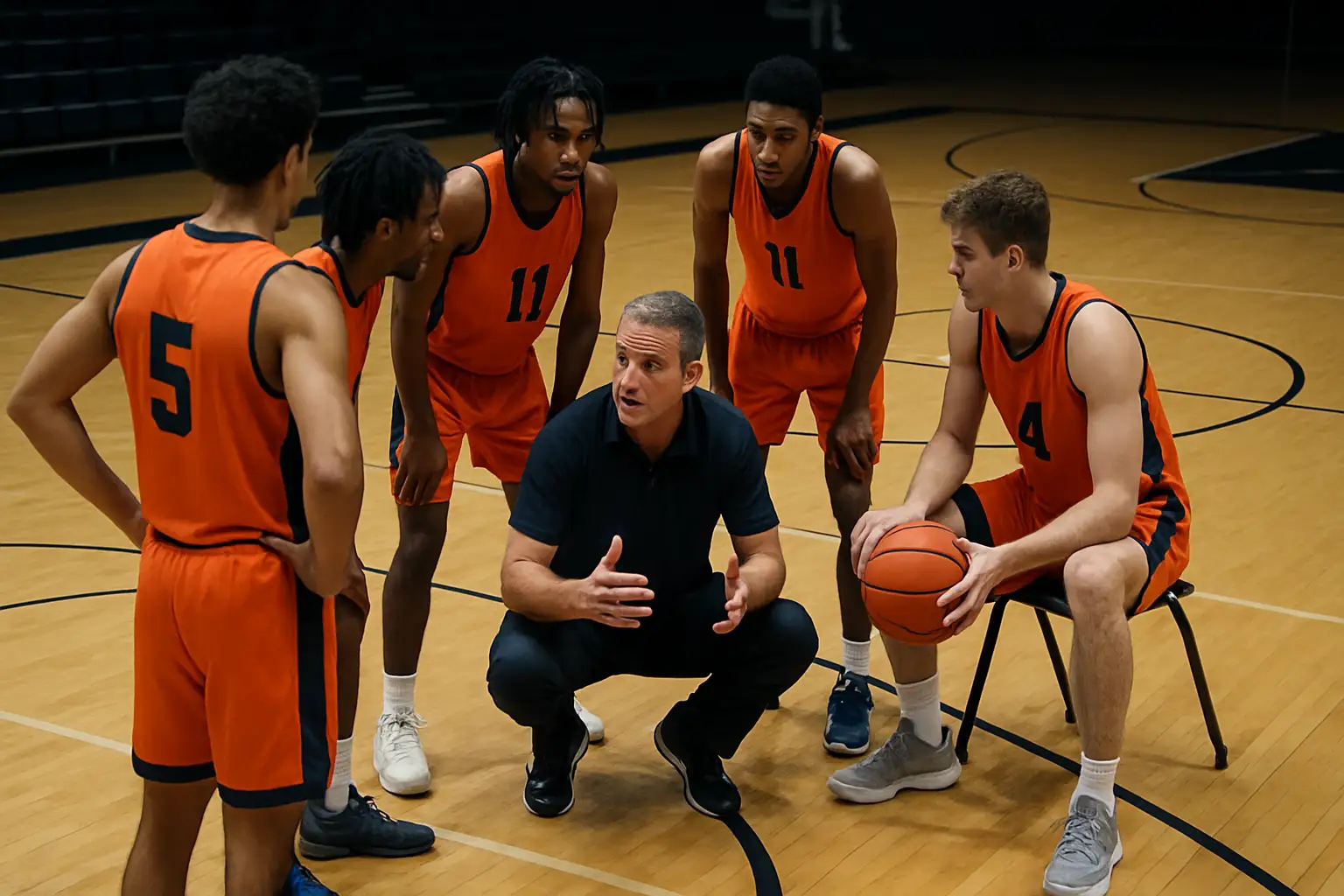
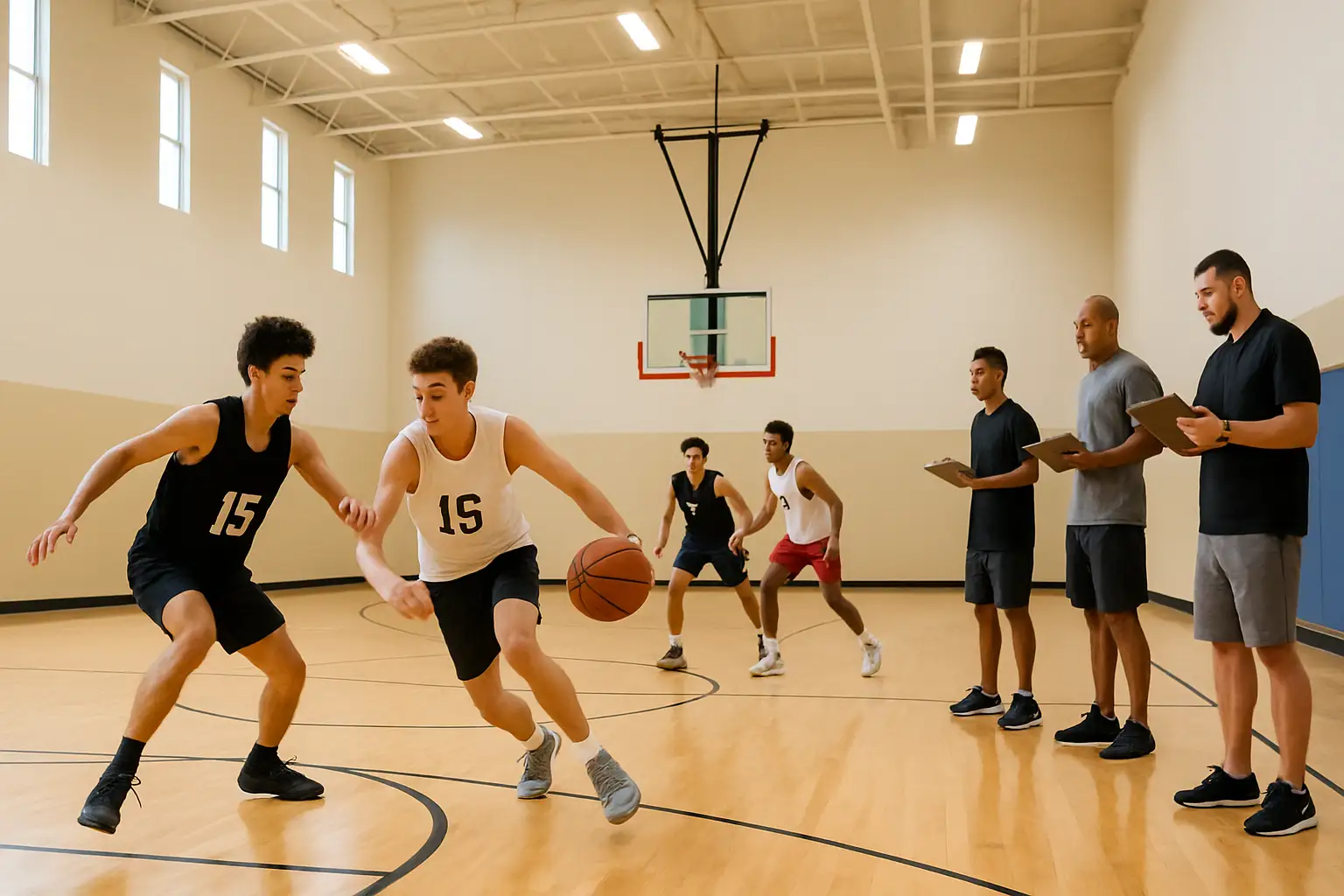
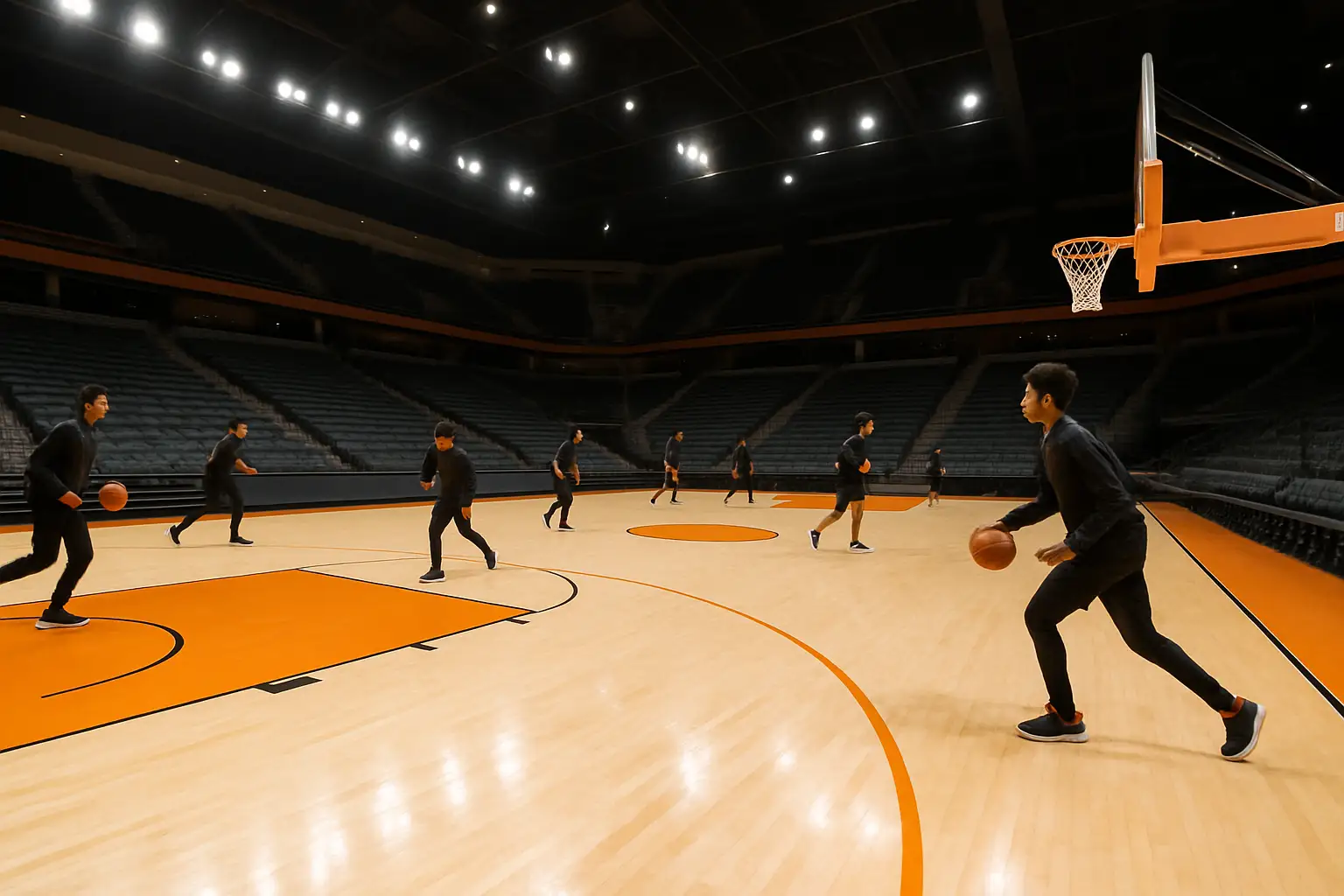
By pulling back on game frequency, programs can run longer, more intentional practice blocks. Players get more touches, more correction, and more chances to work through mistakes in a low-stakes setting before facing a live opponent.
That approach also benefits younger players who might otherwise get lost in a heavy game schedule. A 10th-grader still learning to handle pressure defense gets more from a focused drill session than from sitting the bench through a Tuesday night road game.
Building a Foundation for Long-Term Success
The development model is not about avoiding competition. Teams still play games, and coaches still want to win. The distinction is in what coaches treat as the primary vehicle for improvement.
When skill-building sessions take priority, players develop a clearer sense of their own strengths and weaknesses. That self-awareness carries over into games, where decision-making improves because players trust what they have practiced.
Programs that commit to this model often see the payoff later in the season, when players who spent early weeks drilling fundamentals start executing under pressure more consistently than opponents who played their way through the same period.
The Salisbury Post report highlights how local programs are actively weighing these tradeoffs, signaling that the conversation about player development in girls basketball has moved from the abstract into actual scheduling and practice planning decisions.
What This Means for the Season Ahead
For players, parents, and fans, the development-first mindset can feel counterintuitive. Fewer games means fewer chances to watch, fewer box scores, and sometimes fewer visible wins early on.
But the logic holds up. Sports science research has long supported the idea that deliberate practice, with specific goals and immediate feedback, produces more durable skill gains than game repetition alone. Coaches who understand that are making a bet on the back half of the season and on the careers of the players they are developing.
High school girls basketball programs leaning into skill development are not lowering their ambitions. They are changing how they pursue them, one practice rep at a time.