Peace on the Plaza: Basketball Brings a Community Together
A grassroots basketball initiative called Peace on the Plaza is using the sport to foster connection and reduce conflict in its local community, according to WRTV reporting.


Basketball as a Bridge Between Neighbors
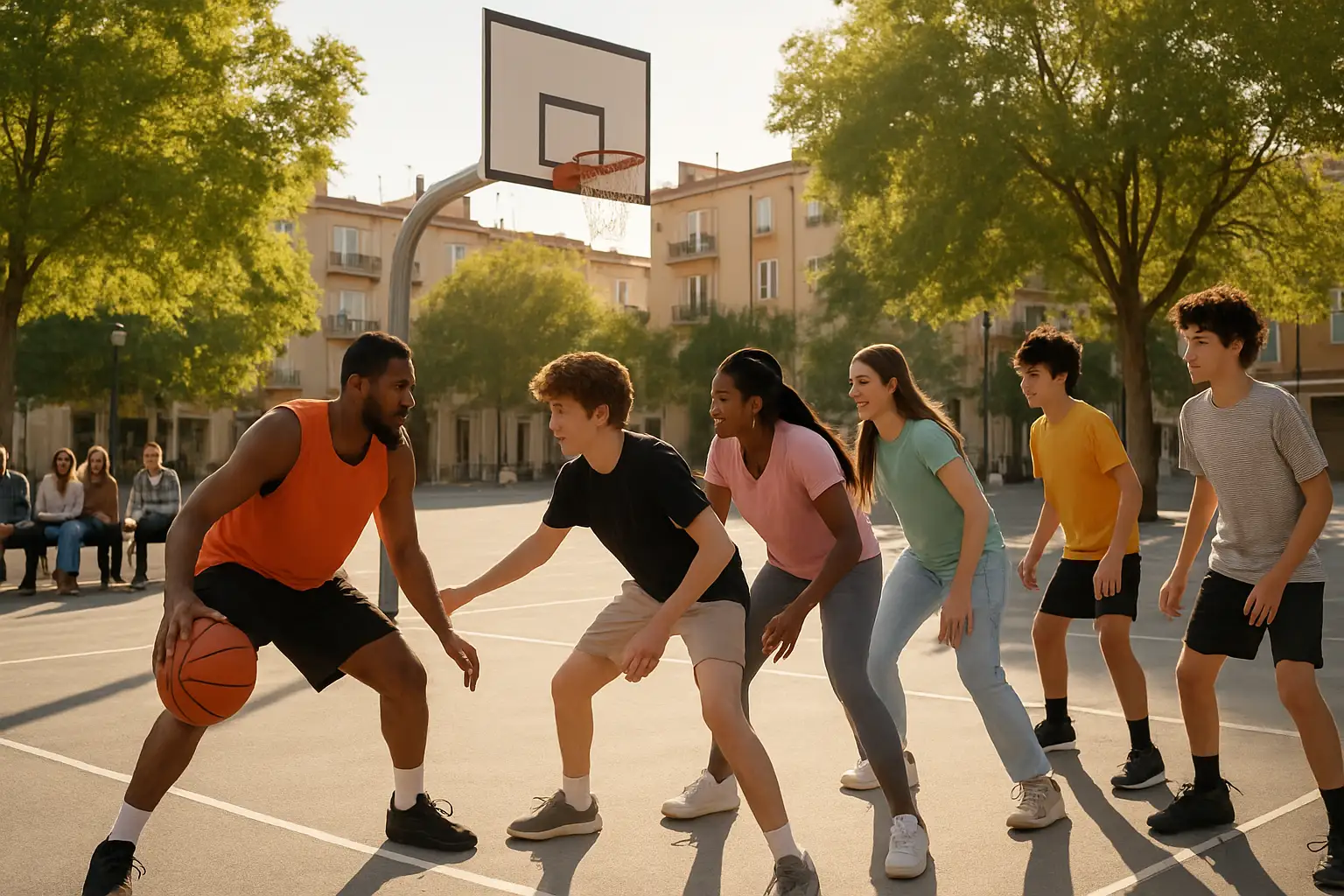
Community building through basketball is the driving idea behind Peace on the Plaza, a local initiative that has drawn attention for using the sport as a tool to bring people together rather than simply compete. WRTV reported on the program, highlighting how a shared love of the game can cut across social divides and give residents a reason to gather on common ground.
The concept is straightforward. Get people onto a court, let the game do its work, and watch relationships form that might never have developed otherwise. It sounds simple, but the organizers behind Peace on the Plaza have treated it as a serious community mission, not just a pickup game.
Basketball has long carried a reputation as one of the most accessible team sports in urban and suburban settings alike. A hoop, a ball, and a flat surface are all it takes. That low barrier to entry makes it a natural fit for outreach efforts aimed at drawing in people from different backgrounds, age groups, and circumstances.
What Peace on the Plaza Represents
The name itself says a lot. "Peace" signals that the organizers see conflict reduction as a core goal, not a side effect. "Plaza" suggests a public, open space where anyone can show up. Together, they frame the event as something more than recreation.
According to WRTV's coverage, the initiative is rooted in the idea that physical activity and face-to-face interaction can do what policy alone often cannot. When people play together, they negotiate, cooperate, and build a kind of trust that carries over off the court.
Programs like this one tend to emerge from communities that have experienced tension, disconnection, or a sense that neighbors simply do not know each other anymore. Basketball provides a structured but informal setting where those barriers soften. There are rules to follow, teammates to rely on, and opponents to respect.
Organizers who run events in public plazas or parks also benefit from visibility. Passersby see activity, hear the sounds of a game in progress, and often stop to watch or join. That organic draw is something a closed gym or formal league rarely replicates.
The Broader Case for Sport-Based Outreach
Peace on the Plaza is part of a wider tradition of using athletics to address social challenges. Cities across the country have experimented with midnight basketball leagues, youth courts in high-traffic public spaces, and weekend tournaments designed to occupy time that might otherwise drift toward trouble.
The research behind these efforts is generally supportive. Structured recreational activity, particularly in visible community spaces, correlates with reduced loitering-related incidents and stronger reported feelings of neighborhood safety. Participants in sport-based community programs also tend to report higher trust in neighbors and local institutions.
None of that means basketball is a cure-all. Organizers still need to handle logistics, secure space, manage conflicts that arise during competition, and keep people coming back after the novelty wears off. Sustainability is often the hardest part. A single event generates goodwill; a recurring program builds something lasting.
What sets Peace on the Plaza apart, based on WRTV's reporting, is its explicit framing around peace and community cohesion rather than athletic development. The goal is not to scout talent or run a competitive bracket. It is to give people a reason to share the same space and leave knowing a few more of their neighbors than when they arrived.
Why Local Initiatives Like This Matter
Hyperlocal programs often accomplish things that larger organizations cannot, precisely because they are built by people who know the specific streets, histories, and personalities involved. There is no template being imported from another city. The organizers understand the context.
For basketball specifically, the community court has always been a place where reputations are built and social bonds are tested. Peace on the Plaza taps into that cultural weight intentionally, channeling competition into connection.
As WRTV noted in its coverage, the program reflects a belief that the sport can serve a purpose well beyond the final score. That belief is not new, but it takes real organizational effort to act on it consistently. The people behind Peace on the Plaza appear committed to doing exactly that.