Springfield's Basketball Legends Live On in Its Historic Walls
Springfield's walls carry decades of basketball history and rare collections, telling stories of the legends who shaped the game in the city where it was born.


The City Where Basketball Found Its Home
Springfield, Massachusetts has a claim few cities can match: it is the birthplace of basketball. That origin story, more than 130 years old, still shapes the city's identity today. And according to reporting by WCVB, the walls of Springfield are doing some of the heaviest lifting when it comes to keeping that history alive.
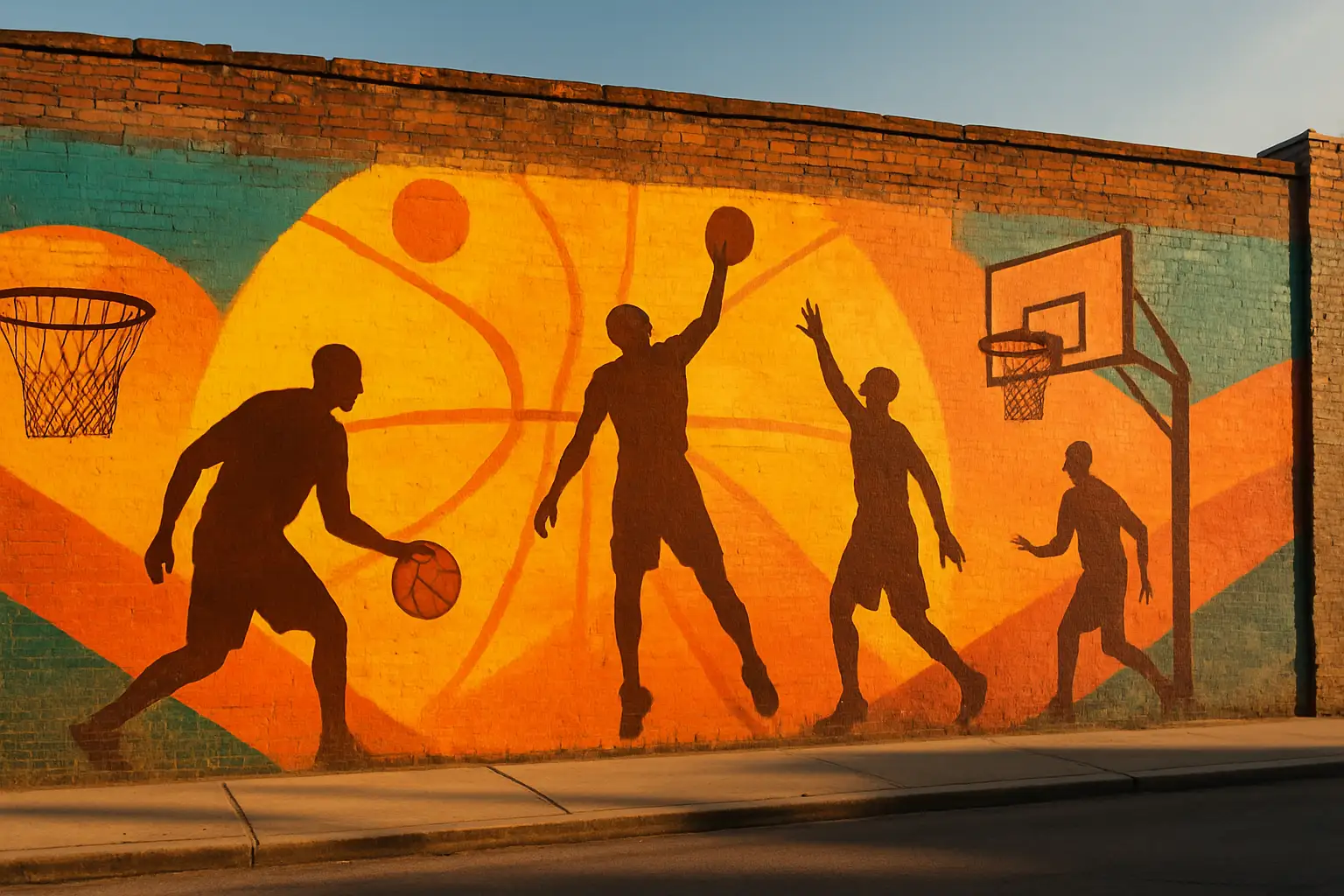
From murals honoring basketball legends to unique personal collections tucked into local spaces, the visual fabric of the city functions as an informal museum. Residents and visitors who look closely enough will find layers of the sport's past embedded in the architecture and culture of everyday Springfield.
The Naismith Memorial Basketball Hall of Fame is the obvious anchor. Named for James Naismith, the Canadian-American physical education instructor who invented the game in Springfield in 1891, the Hall has drawn millions of visitors over the decades. But the stories WCVB highlighted extend well beyond that official institution, reaching into corners of the city that don't have admission fees or gift shops.
Murals, Collections, and Community Memory
Street-level art and privately held collections play a significant role in how Springfield residents connect with basketball history. Walls in the city depict legends of the game, serving as a kind of open-air gallery that anyone walking by can access. These images root the sport's biggest names in a specific place, reminding passersby that the game did not emerge from a vacuum but from a particular gym, a particular instructor, and a particular community.
Unique collections, some belonging to longtime Springfield residents, add another dimension. Memorabilia, photographs, and artifacts held outside formal institutions can carry personal context that a standard museum display sometimes lacks. The person who collected a signed photograph or a rare program often has a story attached to it, a memory of attending a game or meeting a player, and those stories give the objects meaning beyond their market value.
This kind of community-rooted preservation is common in cities with deep sports ties, but Springfield's connection to basketball is singular. No other city can claim to be the sport's actual origin point, which makes every artifact and every mural carry a little extra weight.
Why This Matters for Basketball Fans
For basketball fans who travel to Springfield specifically for the Hall of Fame, the WCVB report is a useful reminder that the experience does not have to end at the Hall's front door. The broader city holds pieces of the game's history in less expected places, and exploring them offers a fuller picture of how basketball grew from a winter activity invented to keep students active into a global sport followed by billions.
Springfield itself has faced economic challenges over the years, as many mid-sized New England cities have. But basketball remains a source of civic pride, and the preservation of its history, whether through official institutions or personal collections displayed on local walls, reflects that pride in a concrete way.
The legends depicted on those walls range across eras of the game. Basketball has changed enormously since Naismith nailed up peach baskets in 1891, and the murals and collections that WCVB documented capture some of that evolution, connecting the sport's origins to the players and moments that came after.
Keeping History Visible
One of the quieter arguments embedded in the WCVB story is about who gets to preserve history and how. Formal institutions like the Hall of Fame have resources, staff, and a mandate to protect and display artifacts. But community members with personal collections and local artists who paint walls are also doing preservation work, often without recognition or funding.
In cities like Springfield, both approaches matter. The official record and the community record together produce something closer to the full picture. A wall painted by a local artist and a trophy case in a national museum are telling versions of the same story from different angles.
Springfield's basketball history is deep enough to support both. The city gave the world a sport, and its residents have spent more than a century finding ways to honor that fact, in marble and glass at the Hall of Fame, and in paint and personal collections along its streets and inside its buildings.