
BCE Inc. Commits $300M to AI Infrastructure Buildout
Canadian telecom giant BCE Inc. is investing $300 million into a major AI infrastructure project, signaling a significant push into artificial intelligence capacity.
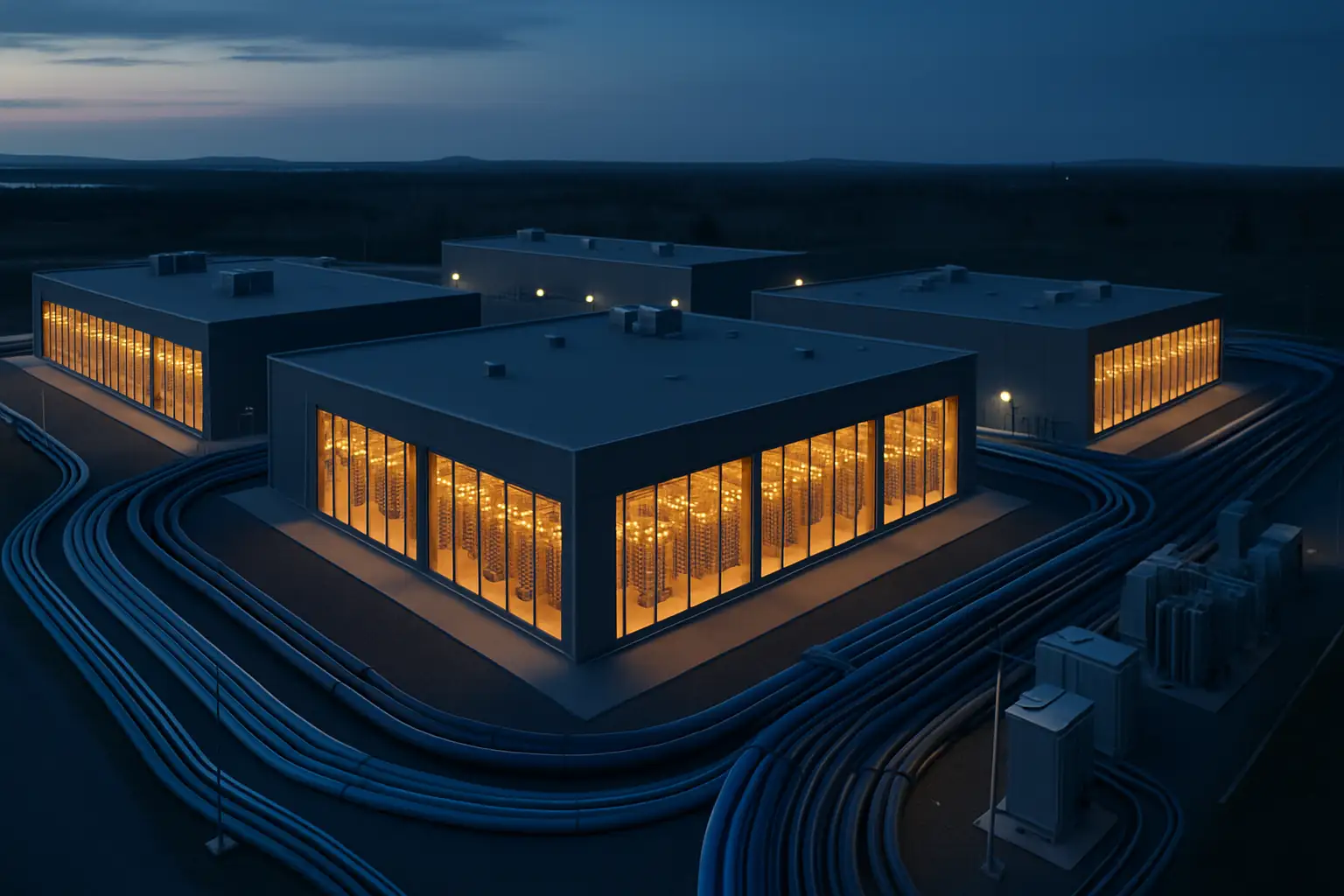


BCE Inc. Bets $300M on AI Infrastructure
BCE Inc., one of Canada's largest telecommunications companies, is moving forward with a $300 million AI infrastructure project. The investment underlines how legacy telecom operators are racing to position themselves at the center of artificial intelligence buildout, rather than watching from the sidelines as cloud giants and startups dominate the space.
Details of the project were reported by Pluang, citing the Canadian firm's push into AI-grade infrastructure. The scale of the commitment, $300 million, puts BCE in a different category from companies making token gestures toward AI adoption. This is a capital-intensive bet on the infrastructure layer that makes AI workloads possible.
What the Investment Covers
While full project specifics remain limited in early reporting, the initiative focuses on AI infrastructure, a broad category that typically includes data centers, high-capacity networking, graphics processing hardware, and the software stacks that tie these components together.
For a telecom operator like BCE, the strategic logic is straightforward. The company already owns and operates fiber and wireless networks across Canada. AI infrastructure demands low-latency, high-bandwidth connectivity, which is exactly what a mature telecom provider can supply. Owning the infrastructure layer, rather than leasing it, gives BCE potential long-term revenue streams as demand for AI compute continues to climb.
The $300 million figure is not a small line item. For context, large-scale AI data center projects routinely require hundreds of millions to billions of dollars in capital expenditure. BCE's commitment suggests the company sees this as a core business priority, not an experimental side project.
Why Telecoms Are Moving Into AI Infrastructure
Across North America and Europe, telecom companies have been reassessing their role in the technology stack. For years, operators like BCE generated revenue primarily from connectivity services, selling bandwidth to consumers and businesses. That model faces persistent margin pressure from competition and infrastructure costs.
AI infrastructure offers a different value proposition. Hyperscalers like Amazon, Microsoft, and Google are spending hundreds of billions of dollars building data center capacity globally, but they cannot be everywhere. Regional AI infrastructure, built and operated by companies with existing network assets, fills gaps that global players often overlook or find uneconomical to serve.
Canada has specific advantages in this space. The country's cooler climate reduces data center cooling costs, and it has relatively stable and affordable electricity in several provinces, two factors that matter a great deal when running power-hungry AI hardware at scale.
BCE is not the only telecom moving in this direction. Carriers in the United States, Europe, and Asia have announced similar pivots, partnering with AI firms or building proprietary infrastructure to capture a share of the AI economy. BCE's $300 million project fits neatly into that broader industry trend.
Implications for BCE's Business and the Broader Market
For investors and analysts watching BCE, the project raises near-term questions about capital allocation. BCE has historically carried significant debt, a common feature of capital-intensive telecom businesses. A $300 million infrastructure commitment adds to that spending load, even if the long-term revenue case is credible.
The flip side is competitive relevance. Companies that build AI infrastructure now are positioning for contracts with enterprises, government agencies, and AI developers that need reliable, regionally compliant compute capacity. Canada's data sovereignty requirements, which often restrict certain types of data from leaving the country, create a natural market for domestic AI infrastructure providers.
BCE's move could also attract attention from AI companies looking for Canadian-based compute options, particularly those serving regulated industries like finance, healthcare, and government.
The $300 million project represents one of the more concrete infrastructure commitments announced by a Canadian company in the current AI investment cycle. Whether BCE can execute at the scale and speed the AI market demands will determine how much value that investment ultimately generates.


Crypto & Markets Analyst
Jordan breaks down crypto markets and digital assets for everyday readers.