
Crypto Mining as Flexible Load: The Wildcard Reshaping Power Grids
A Yes Energy webinar tackled how crypto mining's ability to switch off instantly makes it a unique and unpredictable variable for grid operators and RTOs.
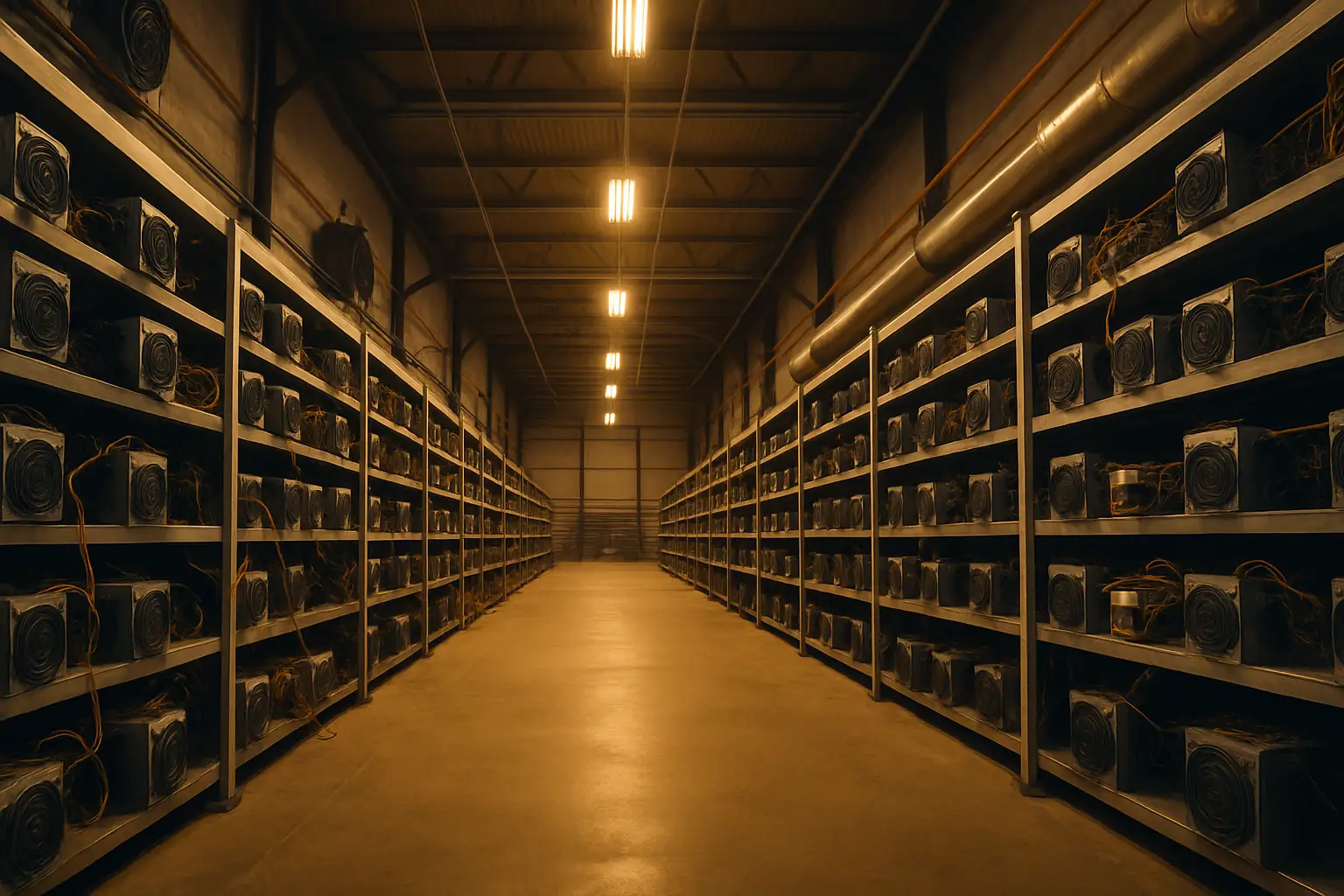


Crypto Mining Enters the Grid Flexibility Conversation
Crypto mining has long been criticized for its heavy electricity consumption, but grid planners are now looking at that same appetite from a different angle. A webinar hosted by Yes Energy, covered by RTO Insider, put a spotlight on how large-scale mining operations could function as flexible load resources - capable of ramping down power use on short notice when the grid needs relief.
The concept is straightforward. Unlike a factory or a hospital, a Bitcoin mining facility can cut its power draw almost instantly without disrupting any critical process. Miners lose potential revenue when they shut off, but the machines themselves suffer no harm. That characteristic makes mining a rare category of industrial load that grid operators and regional transmission organizations are beginning to treat as a demand-response asset rather than just a burden.
The Yes Energy webinar framed crypto mining as a "wildcard" in grid planning. The term captures something real. Mining load can appear quickly in a region, scale to hundreds of megawatts, and potentially disappear just as fast depending on Bitcoin prices, regulatory shifts, or operator decisions. That volatility cuts both ways for system reliability.
Why RTOs Are Paying Attention
Regional transmission organizations manage the balance between electricity supply and demand across large portions of North America. Their job gets harder when big loads behave unpredictably. Crypto mining sits in an unusual position because it can be both a planning headache and a legitimate tool for grid balancing.
On the headache side, a new mining facility coming online without sufficient notice can strain local transmission infrastructure. Several grid regions have already dealt with interconnection queues flooded by mining projects, some of which never actually get built. Forecasting load from an industry tied closely to cryptocurrency price cycles is genuinely difficult.
On the useful side, mining operators who participate in demand-response programs or interruptible load agreements can provide grid operators with a controllable resource. When wholesale power prices spike during a heat wave or a generation shortage, a mining site that voluntarily curtails could help stabilize frequency and prevent broader outages. Some operators have already entered into agreements with utilities that compensate them for being available to curtail.
The Yes Energy webinar apparently explored both dimensions, examining how mining fits - or sometimes does not fit - into existing RTO frameworks designed for more predictable industrial customers.
The Forecasting Problem
One of the harder challenges grid planners face with crypto mining is that the load does not follow typical industrial patterns. A steel mill runs on production schedules. A data center hums along at relatively stable draw. Mining load, by contrast, tracks the economics of Bitcoin. When prices rise, miners add machines and chase every available megawatt. When margins compress, sites go dark.
This creates a forecasting problem that utility resource planners are not used to handling. Traditional load growth models rely on demographic trends, industrial expansion plans, and historical consumption data. None of those tools work well for an industry that can double regional load in a year or drop it sharply after a market correction.
Yes Energy, which provides data and analytics services to energy market participants, is positioned squarely in the middle of this challenge. Its webinar series regularly brings together market operators, utilities, and energy traders to work through emerging grid issues, and crypto mining as flexible load fits that profile.
Demand Response or Just Opportunistic Curtailment
The distinction between a mining operator who formally participates in a demand-response program and one who simply shuts off when power gets too expensive matters for how grid operators can rely on that load reduction. Formal participation means the operator has committed to curtailing under defined conditions, giving the RTO some ability to count on that capacity in planning.
Informal curtailment - where a miner just stops running because it is not profitable at current power prices - still helps the grid in real time but cannot be counted on in advance. For RTOs trying to ensure reliability years into the future, that difference is significant.
The growing scale of crypto mining in regions like Texas, the mid-Atlantic, and parts of the Midwest means grid operators cannot afford to treat it as a niche issue. Whether mining ultimately becomes a reliable demand-response partner or remains an unpredictable swing load may depend on how RTOs design their programs and how willing miners are to accept the constraints that formal participation requires.
The Yes Energy webinar, as reported by RTO Insider, adds to a growing body of industry discussion aimed at answering exactly that question.


Crypto & Markets Analyst
Jordan breaks down crypto markets and digital assets for everyday readers.