Crypto Trading Slows as Investors Chase Stock Market Thrills
Equity markets are pulling traders away from crypto, with analysts pointing to a so-called dopamine shift driving lower virtual asset volumes.
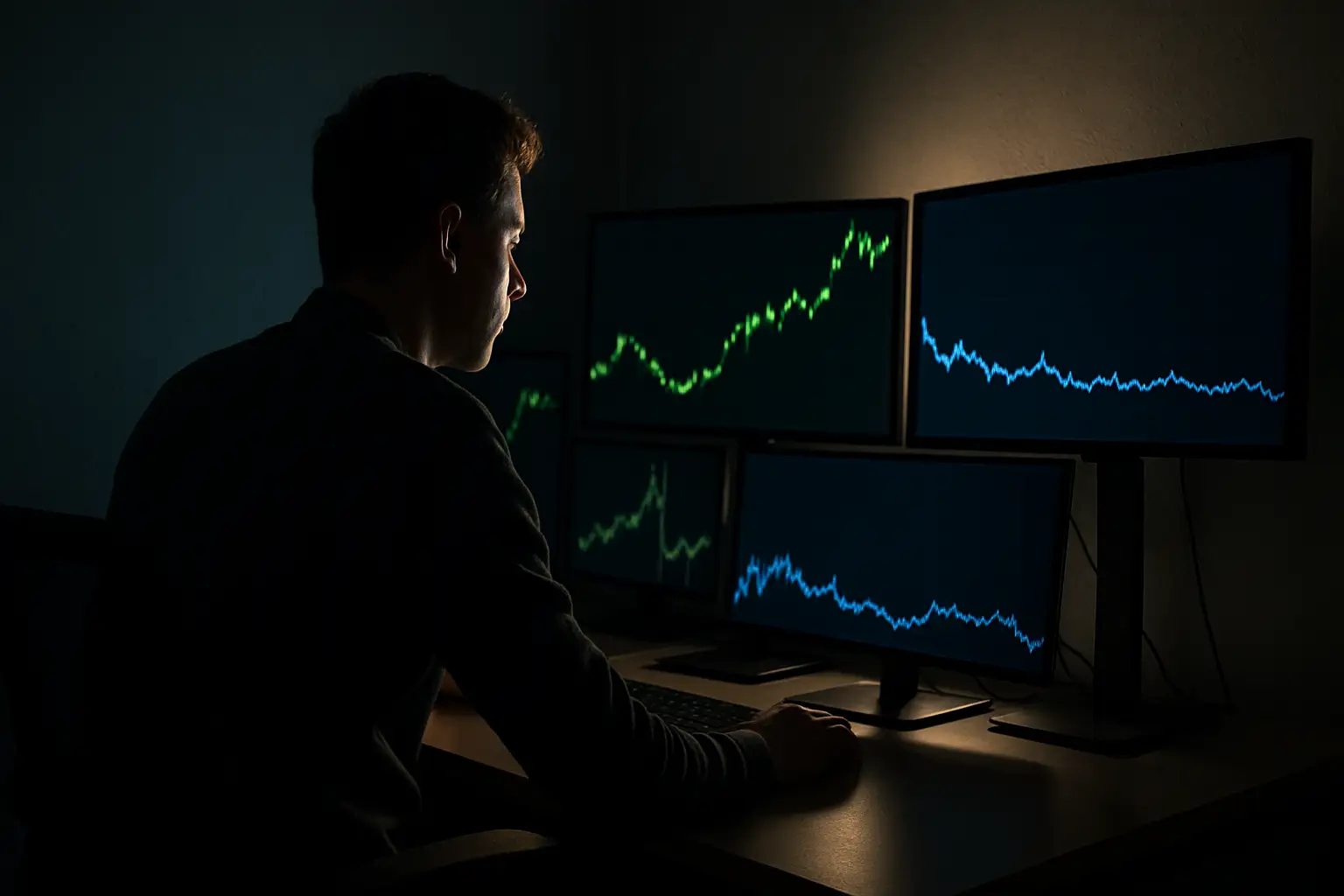


Stock Volatility Is Stealing Crypto's Spotlight
Crypto trading volumes are losing ground to equities, and analysts have a blunt explanation: stocks are simply delivering more excitement right now. The phenomenon, described in reporting by finance.biggo.com as a "dopamine" shift, suggests that traders chasing short-term price action are finding more of it in traditional stock markets than in virtual assets.
The pattern matters because retail participation has long been a key engine of crypto market activity. When that crowd migrates elsewhere, bid-ask spreads widen, liquidity thins, and price discovery becomes less reliable. That is the environment crypto appears to be entering.
Equity markets have been swinging hard. Sharp intraday moves in major indexes and high-profile individual stocks have given traders the kind of rapid feedback loop that once made crypto so attractive during its boom years. Without a comparable catalyst, digital asset markets have struggled to compete for attention.
What the 'Dopamine Shift' Actually Means
The term is behavioral, not clinical. It describes how traders allocate attention and capital based on where they expect the fastest, most stimulating price moves. During 2020 and 2021, crypto filled that role almost exclusively, with Bitcoin and altcoins posting triple-digit percentage swings that drew in millions of new participants.
Now the dynamic has reversed. Stocks, particularly in sectors sensitive to macroeconomic policy and geopolitical headlines, have been generating the kind of volatility that keeps traders glued to their screens. For a segment of the market that is motivated by action rather than long-term conviction, that is enough to shift where money and attention flow.
This does not mean crypto is collapsing. It means the speculative, high-frequency layer of its participant base is temporarily thinner. Long-term holders and institutional players with multi-year theses are less likely to move in and out based on which asset class had a bigger daily swing.
Trading Volume and Liquidity Feel the Impact
Lower retail engagement has measurable consequences. Reduced trading volume makes it harder for larger orders to execute without moving the market. It can also suppress the organic price discovery that comes from a wide, diverse base of buyers and sellers interacting continuously.
For crypto exchanges, the volume drop translates directly into fee revenue. Platforms that expanded aggressively during the bull market have already been trimming operations. A sustained period of lower activity puts additional pressure on business models that depend on transaction throughput.
There is also a reflexive element to consider. When volume drops and prices stagnate, coverage drops too. Less media attention means fewer new participants stumbling into the market, which keeps volume suppressed. Breaking that cycle typically requires either a sharp price move or a major narrative shift, such as a regulatory development or a new product category gaining traction.
What Could Reverse the Trend
History suggests the shift is not permanent. Crypto has repeatedly cycled through periods of low engagement followed by explosive re-entry from retail traders. The triggers have varied, from halving events and institutional announcements to macro conditions that pushed investors toward non-sovereign assets.
Right now, the macro backdrop is mixed. Interest rates remain a central variable, and any pivot in monetary policy that weakens confidence in traditional equities could send speculative capital back toward digital assets. Similarly, a sustained pullback in stock market volatility would reduce the "dopamine" available there and make crypto comparatively more interesting again.
Regulatory clarity, particularly in the United States, remains a wildcard. A cleaner legal framework could attract institutional flows that would stabilize volumes independently of retail sentiment. That process has been slow, but it has not stopped.
For now, the numbers reflect a market in a holding pattern. Crypto has not lost its structural base, but it has lost the edge-of-seat energy that defined its peak years. Whether stocks can sustain their current volatility long enough to permanently redirect speculative capital is a different question, and one that equity traders may not want to answer.


Crypto & Markets Analyst
Jordan breaks down crypto markets and digital assets for everyday readers.