
NC Crypto ATM Law Takes Aim at Scams Draining $13M from Residents
North Carolina has passed a new law regulating crypto ATMs after scammers used the machines to steal more than $13 million from state residents.
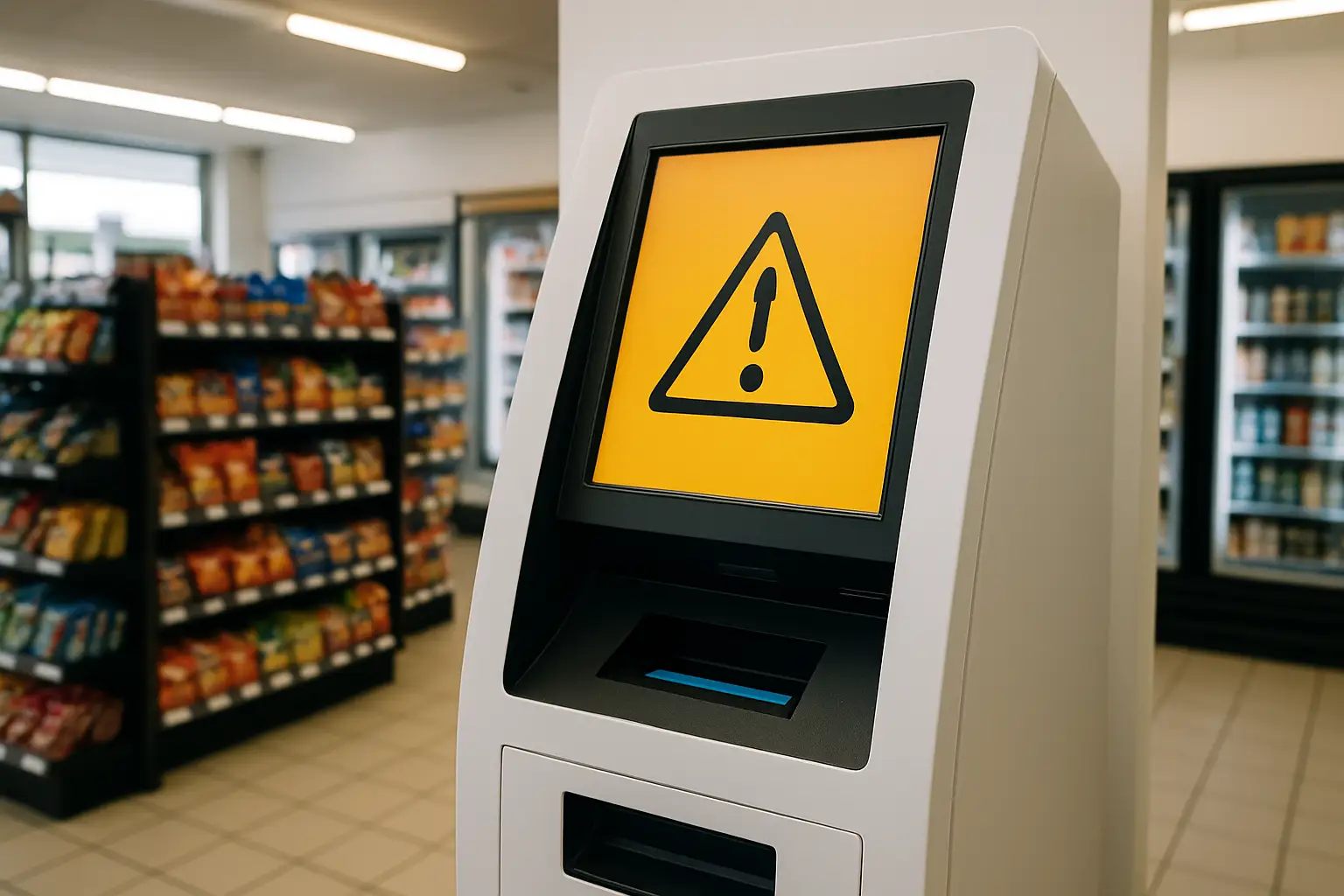


North Carolina Cracks Down on Crypto ATM Fraud
North Carolina lawmakers have passed legislation targeting crypto ATM scams, responding to a wave of fraud that has cost state residents more than $13 million. The new law places restrictions on how cryptocurrency kiosk operators do business in the state, aiming to cut off a key channel that scammers have exploited with growing frequency.
Crypto ATMs, also called Bitcoin kiosks, allow users to buy digital currency with cash. That convenience has made them a favorite tool for fraudsters running romance scams, government impersonation schemes, and so-called "pig butchering" operations. Victims are typically directed to deposit cash into a machine and send the resulting crypto to a wallet controlled by the scammer, making the money nearly impossible to recover.
North Carolina's $13 million loss figure underscores just how serious the problem has become. Older residents have been disproportionately targeted, often losing retirement savings in a matter of hours after being manipulated by scammers posing as romantic partners or federal officials.
What the New Law Requires
The legislation introduces several consumer protection measures aimed at slowing down fraudulent transactions. Operators of crypto ATMs in North Carolina are now required to post clear warnings about common scam tactics directly on the machines. The law also sets transaction limits designed to reduce how much money a victim can send before being stopped.
Kiosk operators must register with the state and comply with anti-money-laundering standards. Failure to meet the requirements can result in penalties. The rules put North Carolina among a growing number of states deciding that the largely unregulated crypto ATM industry needs oversight.
Proponents of the law argue that the machines, while legitimate in many use cases, have operated in a regulatory gray zone that scammers have taken full advantage of. A clear legal framework gives authorities more tools to hold bad actors accountable and gives consumers a better chance of recognizing a scam before it is too late.
Why Crypto ATMs Are a High-Risk Fraud Vector
Unlike a bank wire or credit card transfer, a crypto transaction processed through a kiosk is final. There is no fraud department to call, no chargeback mechanism, and no waiting period. Once cash goes in and cryptocurrency goes out to a scammer's wallet, the funds are gone.
Scam operations have grown sophisticated enough to coach victims step by step through the transaction process, sometimes staying on the phone with them while they stand at the machine. The scammers often anticipate that the kiosk will display a fraud warning and prepare victims in advance to ignore it, framing it as a routine legal disclaimer.
This is precisely why the new North Carolina law focuses on more than just warning labels. Transaction caps serve as a harder barrier, one that a scammer cannot simply talk a victim into dismissing.
Broader Context for State-Level Crypto Regulation
North Carolina is not acting in isolation. Several other states have introduced or passed similar measures targeting crypto kiosk fraud over the past two years. The Federal Trade Commission has also flagged crypto ATMs as a rapidly growing vector for consumer losses nationwide, with reported losses running into the hundreds of millions of dollars annually across the country.
For North Carolina, the $13 million figure represents only reported losses. Fraud researchers consistently note that a large share of victims never report scams to authorities, meaning the actual toll is likely higher.
The law represents a notable shift in how state governments are approaching crypto regulation. Rather than trying to regulate the broader digital asset market, which involves complex jurisdictional questions, North Carolina zeroed in on a specific, tangible piece of infrastructure used to convert cash into crypto. That narrower focus made it easier to draft rules that address concrete harms without wading into broader debates about blockchain or decentralized finance.
As originally reported by WECT, the legislation signals that state officials are no longer willing to treat crypto ATM fraud as an unavoidable side effect of financial innovation. With $13 million already lost, the cost of inaction had become too visible to ignore.


Crypto & Markets Analyst
Jordan breaks down crypto markets and digital assets for everyday readers.