
North Korea Using Crime Networks and Money Mules to Launder Stolen Crypto
A new report reveals North Korea is channeling stolen cryptocurrency through organized crime networks and human money mules to clean illicit funds and evade sanctions.
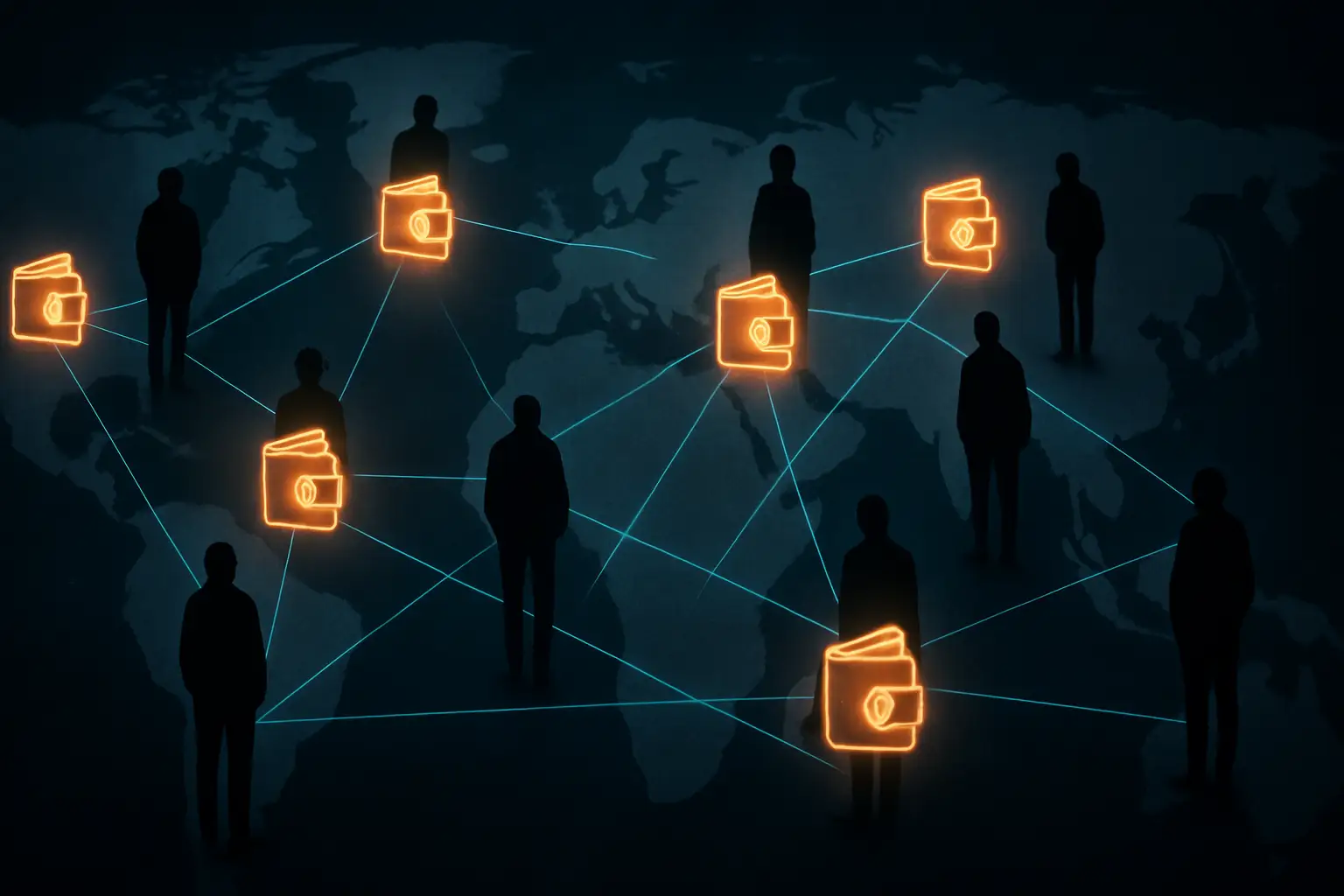


How Pyongyang Moves Dirty Crypto
North Korea has built a sophisticated operation to launder stolen cryptocurrency, relying on organized crime networks and recruited money mules to move and clean illicit funds, according to a report cited by NK News. The findings shine a light on how Pyongyang converts digital asset theft into usable cash while dodging international sanctions enforcement.
The regime has long been linked to state-sponsored hacking groups that target cryptocurrency exchanges, DeFi protocols, and individual wallets. But stealing the funds is only half the challenge. Converting those assets into spendable currency without triggering alarms requires layered laundering infrastructure, and North Korea appears to have invested heavily in building exactly that.
Rather than relying solely on on-chain mixing services or privacy coins, the operation reportedly leans on human intermediaries. Money mules, often recruited individuals who may or may not fully understand their role, move funds through bank accounts and crypto wallets, adding a layer of obfuscation that purely technical methods cannot replicate.
Crime Networks Fill the Gaps
Organized crime groups play a central role in the process. These networks offer pre-existing infrastructure for moving money across borders, converting cryptocurrency to fiat, and avoiding the kind of paper trail that compliance teams and blockchain analytics firms look for. North Korean operatives appear to be plugging into these networks rather than building every piece of the pipeline from scratch.
The arrangement is mutually beneficial in a narrow, transactional sense. Crime organizations get a cut of the proceeds. Pyongyang gets access to laundering channels that are harder to trace and shut down, because they are embedded in broader criminal ecosystems that operate across multiple jurisdictions.
This cross-pollination between state-sponsored cybercrime and traditional organized crime complicates enforcement. Law enforcement agencies targeting one side of the equation may not have visibility into the other, and international coordination remains uneven.
The Scale of North Korean Crypto Theft
North Korea has accumulated a significant track record of large-scale cryptocurrency heists. Blockchain analytics firms and United Nations investigators have previously attributed hundreds of millions of dollars in annual crypto theft to groups operating on behalf of the regime. The stolen funds are believed to help finance weapons programs and offset the impact of international economic sanctions.
The laundering operation described in the NK News report represents the downstream challenge that follows those thefts. Raw stolen cryptocurrency sitting in flagged wallets has limited utility. Converting it requires moving it through enough hands and platforms that its origin becomes difficult to establish with certainty.
Mixing services, chain-hopping across different blockchains, peer-to-peer exchanges with weak know-your-customer controls, and now crime network pipelines with human mules all form part of the toolkit. The use of physical intermediaries is notable because it shifts some of the laundering activity off-chain entirely, where blockchain surveillance tools have no visibility.
What This Means for Crypto Compliance
For cryptocurrency exchanges and compliance teams, the reported tactics highlight the limits of on-chain monitoring alone. When stolen funds pass through human mules and traditional banking channels, the crypto-to-fiat conversion can happen in ways that look, at the surface level, like ordinary transactions.
Regulators in multiple countries have pushed exchanges to tighten customer verification and suspicious activity reporting. But the diversity of platforms globally means that weak links remain. Crime networks are adept at identifying and exploiting jurisdictions where controls are lax.
The NK News report adds to a growing body of evidence that North Korea's cyber and financial operations have matured well beyond simple smash-and-grab hacking. The regime appears to treat cryptocurrency theft as a structured revenue stream, with dedicated infrastructure for both the acquisition and the laundering phases.
For policymakers, the blending of state-sponsored activity with transnational organized crime creates a category problem. Sanctions regimes, law enforcement tools, and financial intelligence units are each calibrated for certain threat types. When those threats merge, the institutional response often lags behind the operational reality on the ground.


Crypto & Markets Analyst
Jordan breaks down crypto markets and digital assets for everyday readers.