Scarcity Is Being Rethought as a Portfolio Asset
Investors and analysts are reconsidering how scarcity functions as a value driver in modern portfolios, with crypto assets entering the conversation alongside traditional stores of value.
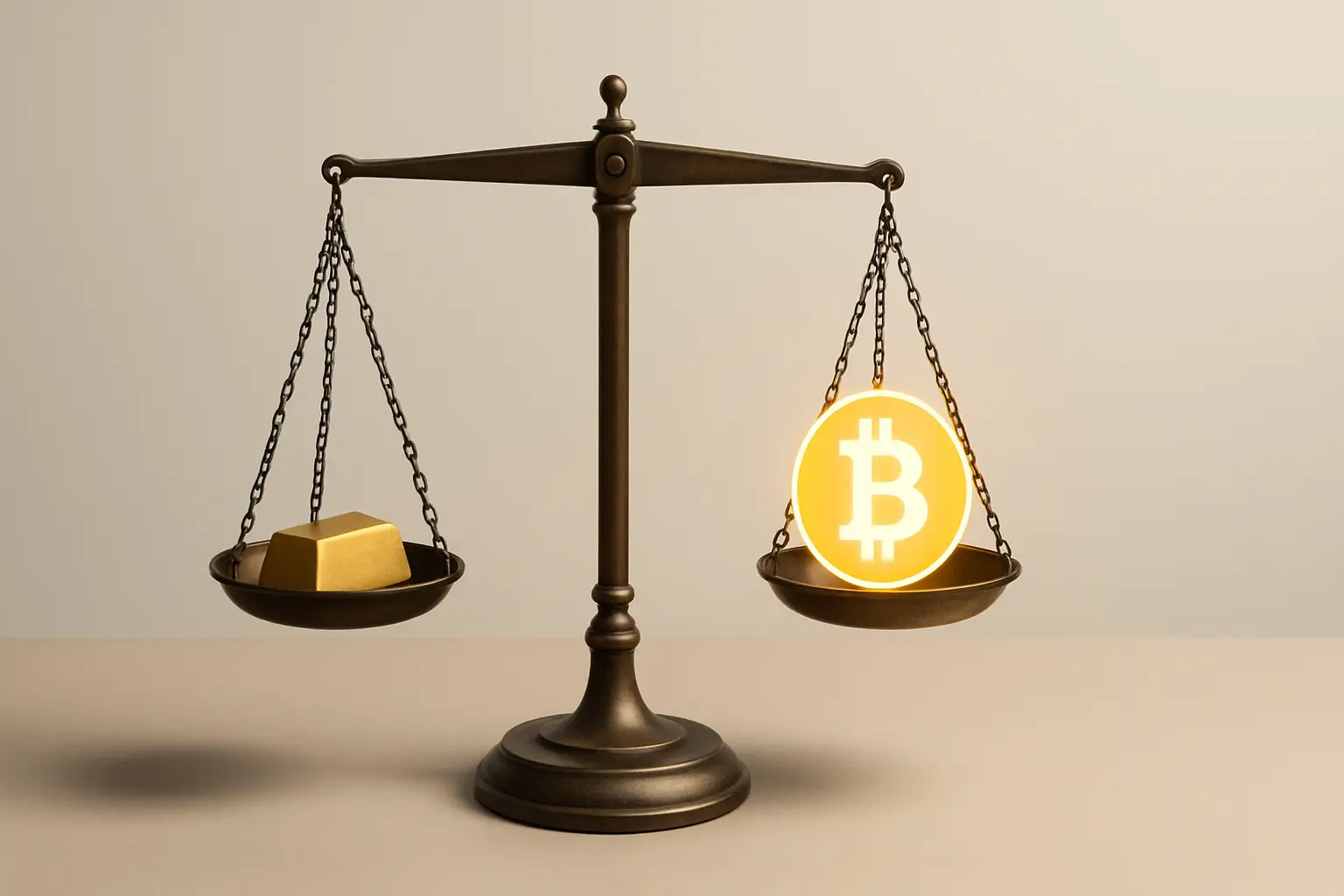


Scarcity as a Portfolio Concept Is Shifting
The idea that scarcity drives value is not new. Gold built its reputation on it. But as portfolio construction evolves, investors and analysts are asking sharper questions about what scarcity actually means in 2024 and which assets genuinely carry that property.
The Australian Financial Review has highlighted this debate, pointing to a broader reconsideration underway among institutional and retail investors alike. The central question is whether traditional scarcity-driven assets still hold their place, or whether newer, digitally enforced scarcity is beginning to compete for the same allocation.
Bitcoin is the most direct example. Its supply is capped at 21 million coins by protocol, a limit enforced by code rather than geology or central authority. That mechanical scarcity has become one of the core arguments made by advocates for including it in diversified portfolios, particularly as an inflation hedge or a hedge against currency debasement.
What Makes Scarcity Credible in a Portfolio Context
Not all scarcity is equal, and that is a key part of the rethinking the AFR piece points toward. Physical scarcity, like the finite supply of gold in the earth's crust, is different from policy-enforced scarcity, like limits on real estate development in a particular city. Both differ again from algorithmic scarcity, where supply rules are written into software and, in theory, cannot be changed without community consensus.
For portfolio managers, the credibility of scarcity matters as much as the scarcity itself. An asset whose supply could be inflated by a government decision, a corporate action, or a protocol change carries a different risk profile than one where supply constraints are effectively immutable.
This is where Bitcoin and a small number of other crypto assets have carved out a distinct argument. The rules governing Bitcoin's issuance have not changed since its launch and any change would require overwhelming consensus across a globally distributed network, making unilateral inflation practically impossible.
That property is increasingly being assessed alongside gold in institutional asset allocation frameworks, particularly in portfolios designed to hold their value across different macroeconomic environments.
How Portfolios Are Responding
The practical response from portfolio managers has been gradual. Allocations to Bitcoin specifically have appeared in a growing number of multi-asset strategies, often in the low single-digit percentage range. The logic is not speculative gain but structural diversification, using a scarce asset with low correlation to equities and bonds to reduce overall portfolio volatility over time.
Approval of spot Bitcoin exchange-traded funds in the United States earlier this year lowered the barrier for institutional and retail investors to access this kind of exposure without holding the underlying asset directly. That has widened the conversation considerably.
At the same time, some analysts argue that the scarcity argument for crypto needs to be applied carefully. Thousands of tokens exist, most with no credible scarcity property at all. Supply can be minted freely, governance can be changed, and projects can fail entirely. Bitcoin's scarcity is specific to Bitcoin and should not be generalized across the asset class.
The Broader Shift in How Value Is Assigned
The AFR's framing reflects something larger happening in investment thinking. For decades, scarcity was largely synonymous with physical commodities and land. Digital goods were assumed to be infinitely reproducible and therefore valueless as stores of wealth.
Blockchain technology challenged that assumption by making digital scarcity technically enforceable. Whether that technical property translates into durable financial value over the long term remains an open question, and one that serious portfolio analysts are debating rather than dismissing.
The rethinking is not a verdict. It is a process, and the AFR is not the only financial publication tracking it. But the fact that scarcity as a concept now routinely appears in discussions that include both gold and Bitcoin signals a genuine shift in how a broad range of investors are approaching portfolio construction.


Crypto & Markets Analyst
Jordan breaks down crypto markets and digital assets for everyday readers.