Egypt Coach's Palestine Appeal Puts World Cup in Political Spotlight
Egypt's national football coach has made a public appeal in support of Palestine, pulling the 2026 World Cup qualifying process into a charged political debate.


Egypt Coach Speaks Out on Palestine
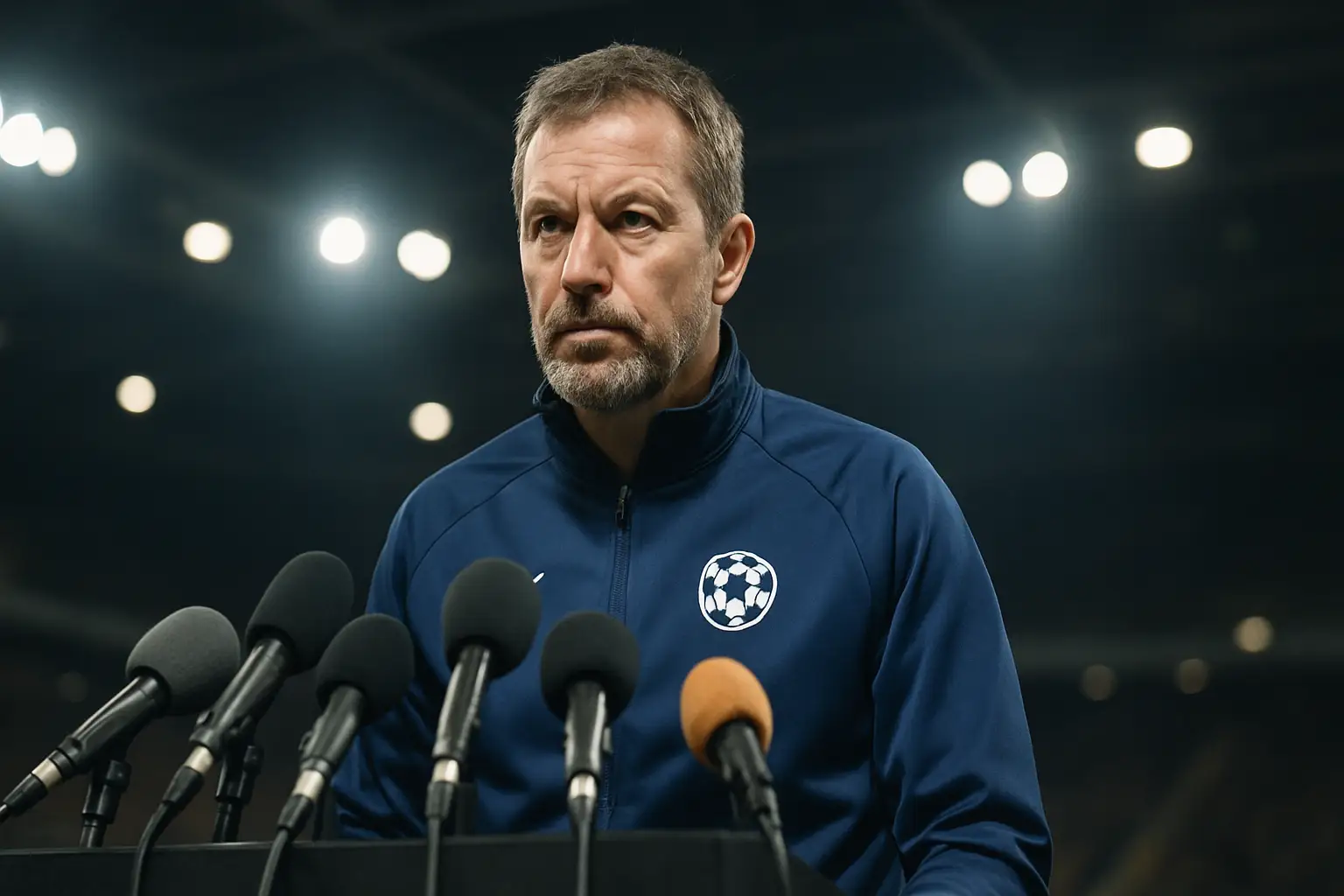
The World Cup has been pulled back into the political spotlight after Egypt's national football coach made a public appeal in support of Palestine, according to reporting by Reuters. The statement has reignited debate about whether football's biggest stage can stay separate from the geopolitical tensions surrounding the ongoing conflict in Gaza.
The coach's comments came during a period when football governing bodies have faced sustained pressure from multiple directions over how they handle political expression by players, coaches, and officials. By speaking out publicly, Egypt's coach added a prominent new voice to that conversation.
The appeal drew attention across the football world, with observers noting that a senior figure in African football choosing to make such a statement carries real weight given Egypt's standing as one of the continent's most decorated national sides.
World Cup Qualifying and the Politics of Football
The timing matters. World Cup qualifying is underway across the African zone, and Egypt are among the sides competing for a place at the 2026 tournament, which will be hosted jointly by the United States, Canada, and Mexico. Any controversy touching the Egyptian camp has the potential to create complications beyond the sporting calendar.
FIFA has long maintained a position that political expression on the field of play is restricted, citing rules that prohibit players and officials from displaying political messages during matches. Yet the line between personal expression and official conduct has proven difficult to enforce consistently, and governing bodies have faced criticism for applying those rules unevenly.
The Palestine question has become one of the most pointed tests of that policy. Several players across European club football and international competition have shown solidarity with Palestinian civilians during the conflict in Gaza, sometimes drawing sanctions and sometimes not. Critics argue the inconsistency undermines FIFA's credibility as a neutral arbiter.
Egypt's coach entering that space, as the head of a major national team rather than an individual player, raises the stakes. His position gives the appeal an institutional quality that a single player's gesture might not carry.
Pressure on FIFA and Host Nations
The 2026 World Cup host countries have their own complex relationships with Middle East policy, and the tournament is already being watched for how it will handle political demonstrations from players and staff when competition begins. Protests and appeals during major tournaments are not new. The 2022 World Cup in Qatar saw multiple European squads attempt to wear the OneLove armband before backing down under threat of sporting sanctions from FIFA.
Human rights groups and some football associations have argued that FIFA's approach silences legitimate expressions of solidarity on humanitarian grounds. Others contend that sport should remain a neutral environment and that mixing political advocacy with competition creates problems for the integrity of the game.
The Egypt coach's public stance, as reported by Reuters, suggests that pressure is unlikely to ease heading into 2026. If anything, the proximity of the tournament is giving figures within football more reason to speak before the cameras of the world's largest sporting event are turned on.
For Egypt, the immediate focus remains qualification. But the coach's comments have ensured that the camp is now part of a much larger discussion, one that football's governing bodies have so far struggled to resolve cleanly.


Football Correspondent
Alex covers football and the global game with fast, sharp analysis.