European Lawmakers Demand Infantino Probe as National Coach Exits
European politicians are pushing for a formal investigation into FIFA president Gianni Infantino, while a long-serving national team coach has stepped down after nine years in charge.



Pressure Mounts on FIFA's Infantino
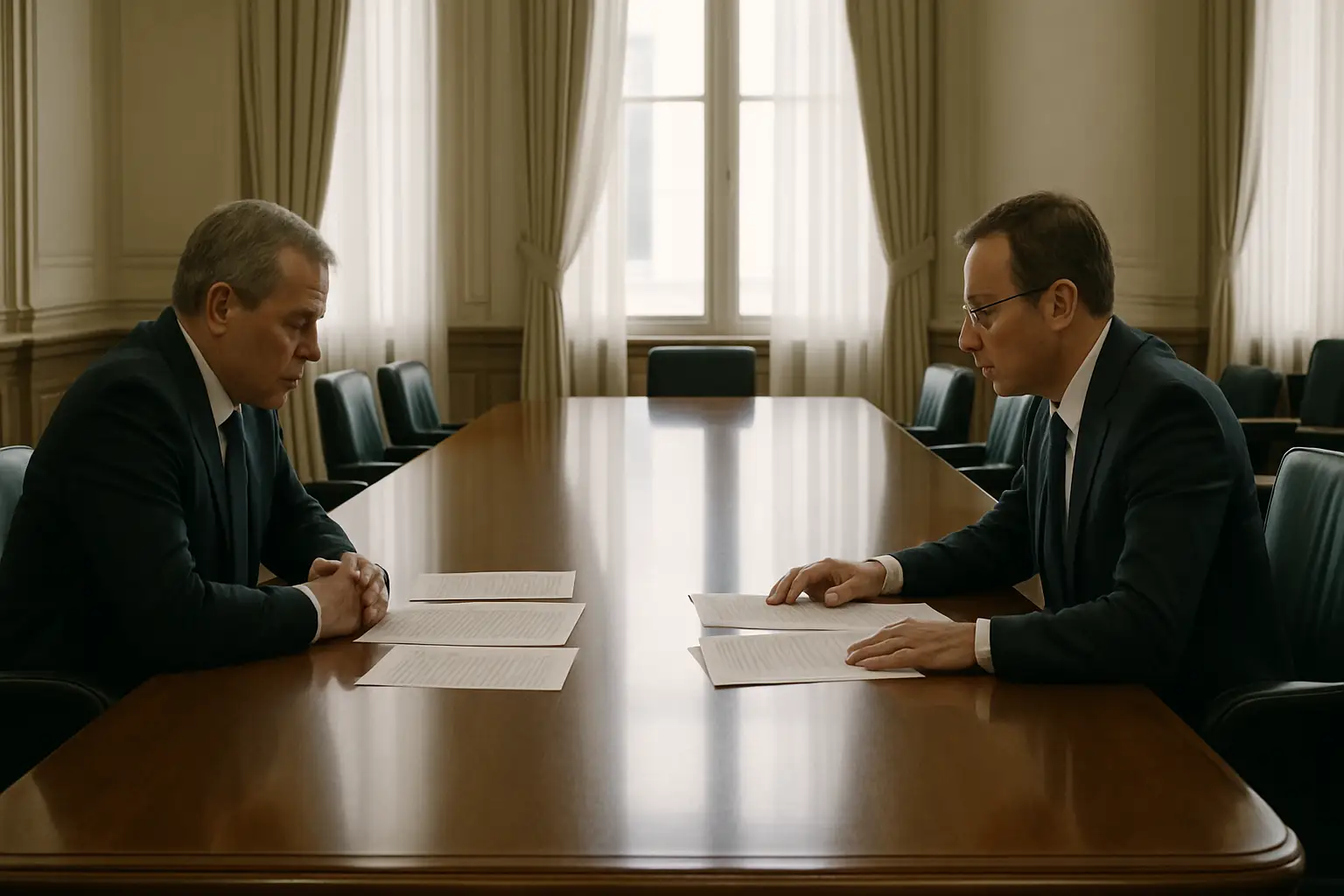
A group of European lawmakers has called for a formal probe into FIFA president Gianni Infantino, adding significant political weight to ongoing scrutiny of the world governing body's leadership. The push from elected officials signals growing unease at the highest levels of European politics about how FIFA conducts its affairs under Infantino.
The call for an investigation puts fresh heat on Infantino at a time when FIFA is already managing the complex build-up to the 2026 World Cup across the United States, Canada, and Mexico. Lawmakers have not specified a single agency to handle the inquiry, but their public demand alone raises the political stakes considerably.
FIFA has so far not issued a detailed public response to the legislators' demands, according to reporting by Fox Sports. Infantino has weathered governance controversies before, but pressure coming directly from elected European representatives carries a different kind of institutional weight than criticism from football bodies or journalists.
What the Lawmakers Are Asking For
The elected officials framing this demand represent a cross-section of European political opinion, reflecting how concerns about FIFA's governance have moved beyond football circles and into mainstream policy debate. Their call is specifically for a structured probe, not merely a review or audit, which suggests they want accountability mechanisms with real consequences.
For context, Infantino has led FIFA since 2016, winning re-election multiple times. His tenure has included the controversial expansion of the World Cup to 48 teams and the awarding of hosting rights for multiple tournaments, decisions that have attracted both commercial praise and ethics-related criticism.
The legislators' move does not by itself trigger any formal process, but it could encourage European football authorities or international oversight bodies to act. It also adds to a broader conversation about transparency in global sport governance that has been running since the corruption scandals that rocked FIFA in the years before Infantino took over.
Long-Serving National Coach Steps Down
Separately, a national team head coach has announced his resignation after nine years in the role. The departure ends one of the longer unbroken coaching reigns at international level in recent memory.
Nine years at the helm of a national program is a rare achievement in modern football, where results-based pressure and qualification cycles tend to shorten tenure significantly. The coach leaves having shaped an entire generation of the team's playing style and squad culture.
Details about which national federation the coach served, and the specific reasons cited for the exit, come from the Fox Sports World Cup Daily report. No replacement has been publicly confirmed at this stage.
Coaching exits at national level often create a ripple effect through a squad, particularly when they follow long, stable periods. Players who have known no other international manager must adapt to a new tactical philosophy, often in the middle of a qualifying campaign.
Two Stories, One Bigger Picture
On the surface, a governance dispute at FIFA and a coaching departure are unrelated events. But both reflect the state of flux that global football finds itself in heading toward a World Cup cycle with an expanded format, new host territories, and intensified commercial pressures.
European lawmakers inserting themselves into FIFA's internal affairs is not unprecedented, but it remains unusual enough to draw attention. Political scrutiny of international sports bodies has grown since the 2015 FIFA scandal, and legislators appear increasingly willing to use their platforms to demand accountability that sporting institutions have not always provided themselves.
Meanwhile, the exit of a coach with nine years of institutional knowledge from a national program illustrates how football's human side keeps moving regardless of the politics happening above it. Squads need answers, federations need plans, and qualifying calendars do not pause.


Football Correspondent
Alex covers football and the global game with fast, sharp analysis.