FIFA's World Cup 2026 Weather Protocol Explained After Mexico vs England Delay
A delay to the Mexico vs England match has put FIFA's heat and weather protocol for World Cup 2026 under the spotlight. Here is how it works.



Why the Mexico vs England Match Was Delayed
FIFA's weather protocol for World Cup 2026 came into sharp focus after the friendly between Mexico and England was held up due to adverse conditions. The stoppage prompted widespread questions about what rules are in place to protect players during matches played in extreme heat or dangerous weather, and how those rules will apply when the tournament kicks off across the United States, Canada, and Mexico.
The delay was not an isolated incident. Several World Cup 2026 host cities sit in regions where summer temperatures and humidity levels can push conditions to the edge of what is safe for elite athletes competing at full intensity.
How FIFA's Weather Protocol Works
FIFA's protocol gives referees and match officials the authority to pause play when conditions reach certain thresholds. The system is based on the wet bulb globe temperature, a measurement that factors in heat, humidity, wind speed, and sun radiation rather than simple air temperature alone.
When that reading hits a level deemed dangerous, officials can call a cooling break. These breaks typically last around three minutes and are scheduled at the midpoint of each half. Players use the time to take on fluids, get into shade, and lower their core body temperature before play resumes.
In more severe conditions, matches can be delayed before kickoff or suspended mid-game until readings drop to a safer level. The protocol gives the referee final say, though FIFA medical staff and local meteorological data feed into the decision.
FIFA introduced similar measures at the 2022 World Cup in Qatar, where organisers also scheduled games during cooler evening hours to reduce heat exposure. For 2026, the tournament spans three countries with very different climates, so the protocol will need to be applied flexibly across venues ranging from Miami and Dallas to New York and Vancouver.
Which Host Cities Face the Biggest Risk
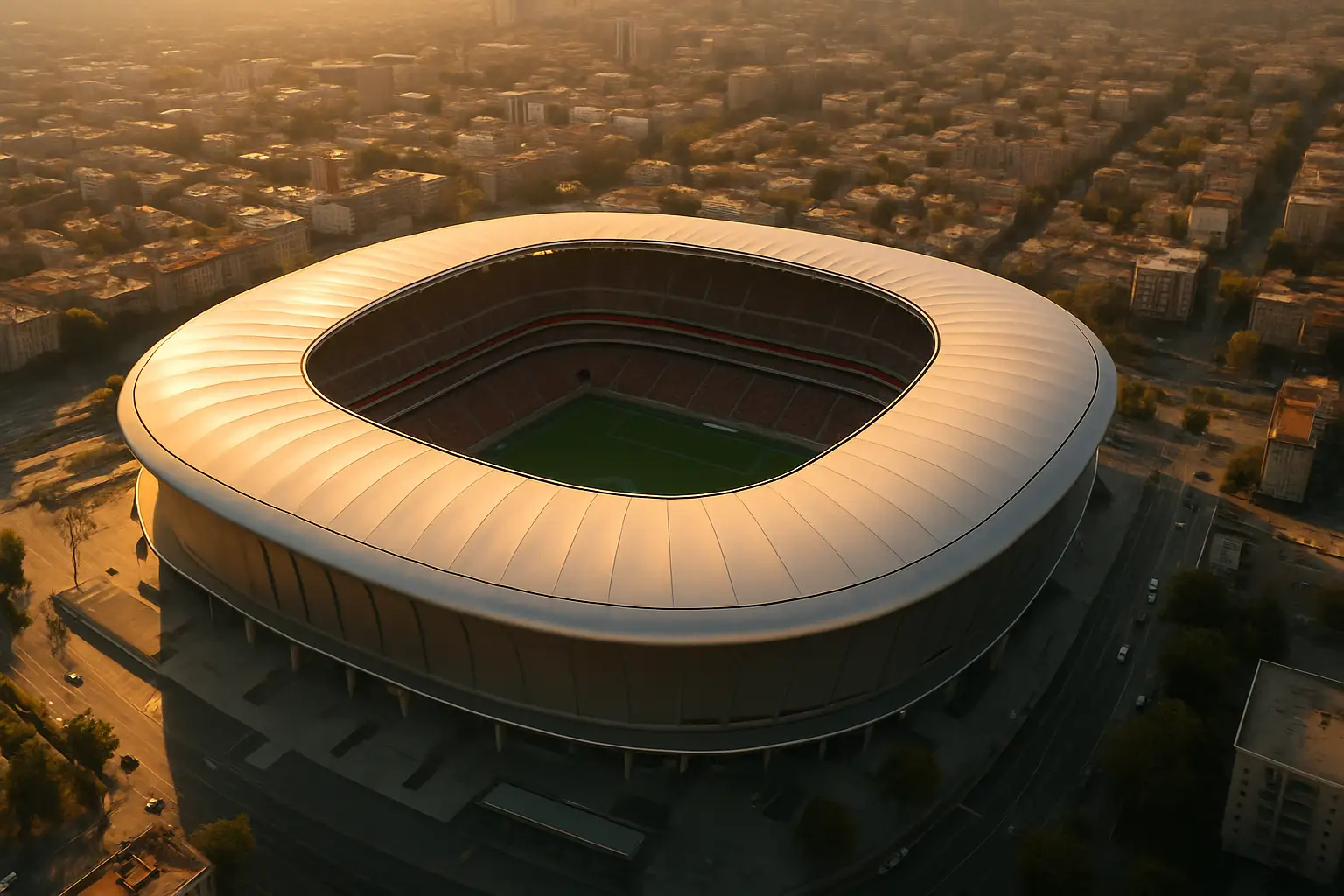
Of the 16 venues confirmed for World Cup 2026, those in the southern United States carry the highest heat risk during June and July. Cities like Miami, Dallas, Houston, and Atlanta regularly record wet bulb temperatures that can trigger the lower thresholds of FIFA's protocol during afternoon hours.
FIFA and local organising committees have said they will schedule as many matches as possible during evening slots to reduce the risk. However, broadcasters and logistical demands mean some games will still be played when temperatures are near their daily peak.
Mexico City sits at high altitude, which brings its own physiological challenges separate from heat. Monterrey, another Mexican host city, can combine heat with humidity in a way that makes conditions particularly taxing for players not accustomed to the environment.
What This Means for Players and Teams
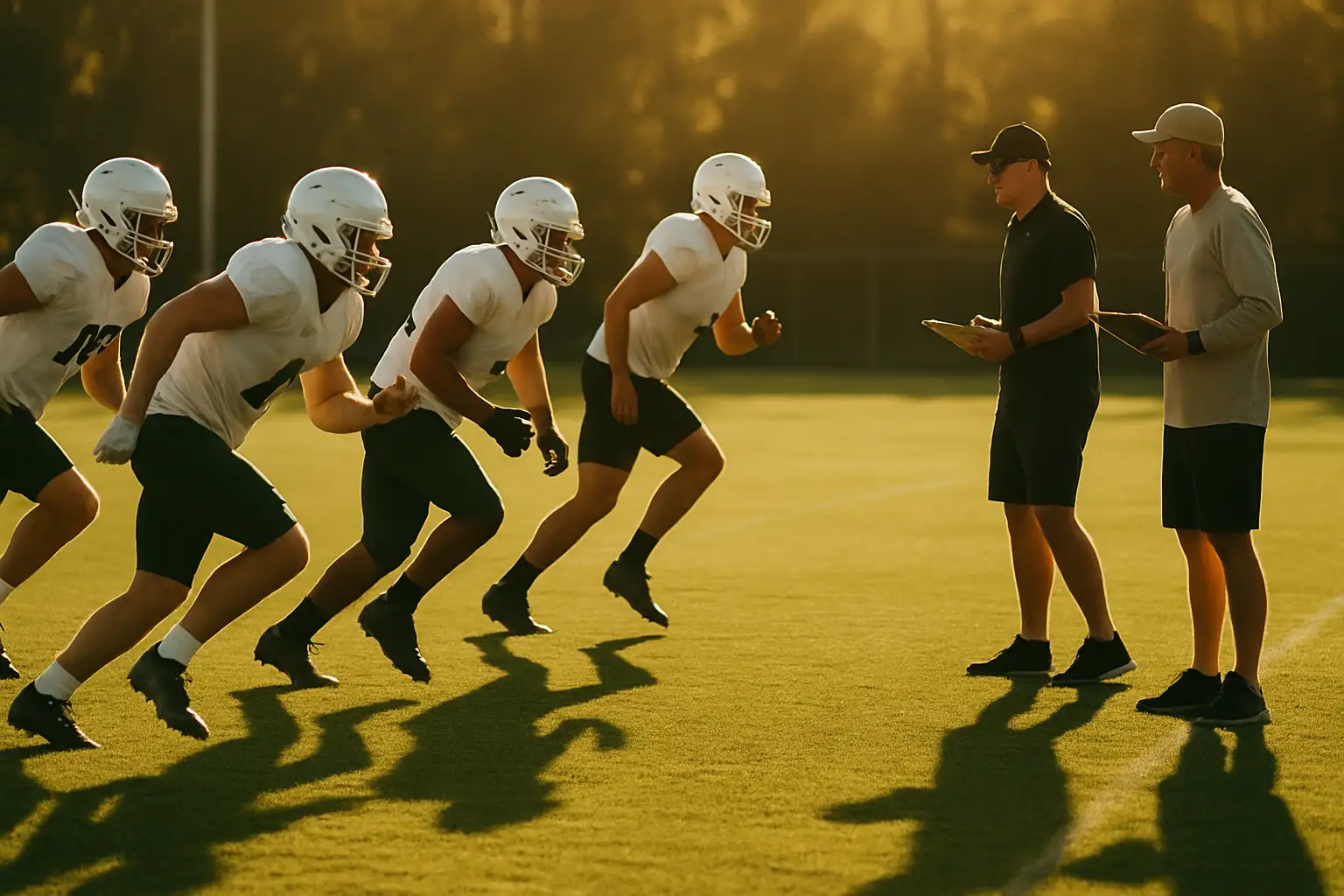
For players and coaching staff, the protocol matters practically during match preparation. Teams travelling from cooler European leagues will have less time to acclimatise compared to sides from South America or Africa who may be more familiar with competing in high temperatures.
Cooling breaks, while brief, can disrupt rhythm and momentum. Managers will need to factor in fluid intake strategies and potentially rotate squads more aggressively than they might in a European summer tournament.
FIFA has not published a single fixed temperature figure that automatically triggers a pause. The wet bulb globe temperature scale means that a dry heat of 35 degrees Celsius could be treated differently from a humid 30-degree day, with the latter sometimes posing a greater physiological danger.
The Mexico vs England delay, as reported by The Independent, has added urgency to calls for clear and consistent communication around how and when the protocol is applied. With the tournament less than a year away, teams, broadcasters, and fans are looking for more detailed guidance on what spectators can expect if conditions deteriorate during a knockout game.


Football Correspondent
Alex covers football and the global game with fast, sharp analysis.