FIFA World Cup 2026: What to Know About June 22 Matches
The FIFA World Cup 2026 is drawing global attention, with June 22 set as a key matchday. Here is what fans need to know about watching the action.



FIFA World Cup 2026 Heats Up on June 22
The FIFA World Cup 2026 continues to dominate sports headlines worldwide, with June 22, 2026 shaping up as a significant day in the tournament calendar. Fans across the globe are searching for ways to follow the action as the competition progresses through its group stage fixtures.
Hosted jointly by the United States, Canada, and Mexico, the 2026 edition is the first World Cup to feature 48 national teams, expanding from the previous 32-team format. That change means more matches, more nations represented, and a longer schedule that keeps supporters engaged for weeks.
June 22 falls within the group stage window, a period that historically delivers some of the most dramatic moments in the tournament. With so many teams still fighting for qualification to the knockout rounds, the stakes on any given matchday are high.
How Fans Can Watch World Cup Matches
Broadcast rights for the FIFA World Cup 2026 vary by country. Official broadcasters in each territory hold the legal rights to air matches, either on free-to-air television, paid subscription platforms, or both. Fans should check their local listings to confirm which channels are carrying specific fixtures on June 22.
Streaming has become a primary viewing method for many supporters. Several official rights holders operate licensed online streams alongside their traditional TV coverage. Accessing those official streams typically requires either a cable subscription login or a direct subscription to the broadcaster's digital platform.
Viewers are advised to rely only on officially licensed sources. Unauthorized streams not only carry legal risks for users but are frequently unreliable, subject to sudden shutdowns, and sometimes used to distribute malware. FIFA and its broadcast partners actively work to take down illegal streams during the tournament.
The Expanding World Cup Format and Its Impact
The move to 48 teams means the group stage now consists of 12 groups of four teams each, with 16 groups producing a larger field heading into the round of 32. For fans, that translates to a packed schedule with multiple matches played simultaneously on days like June 22.
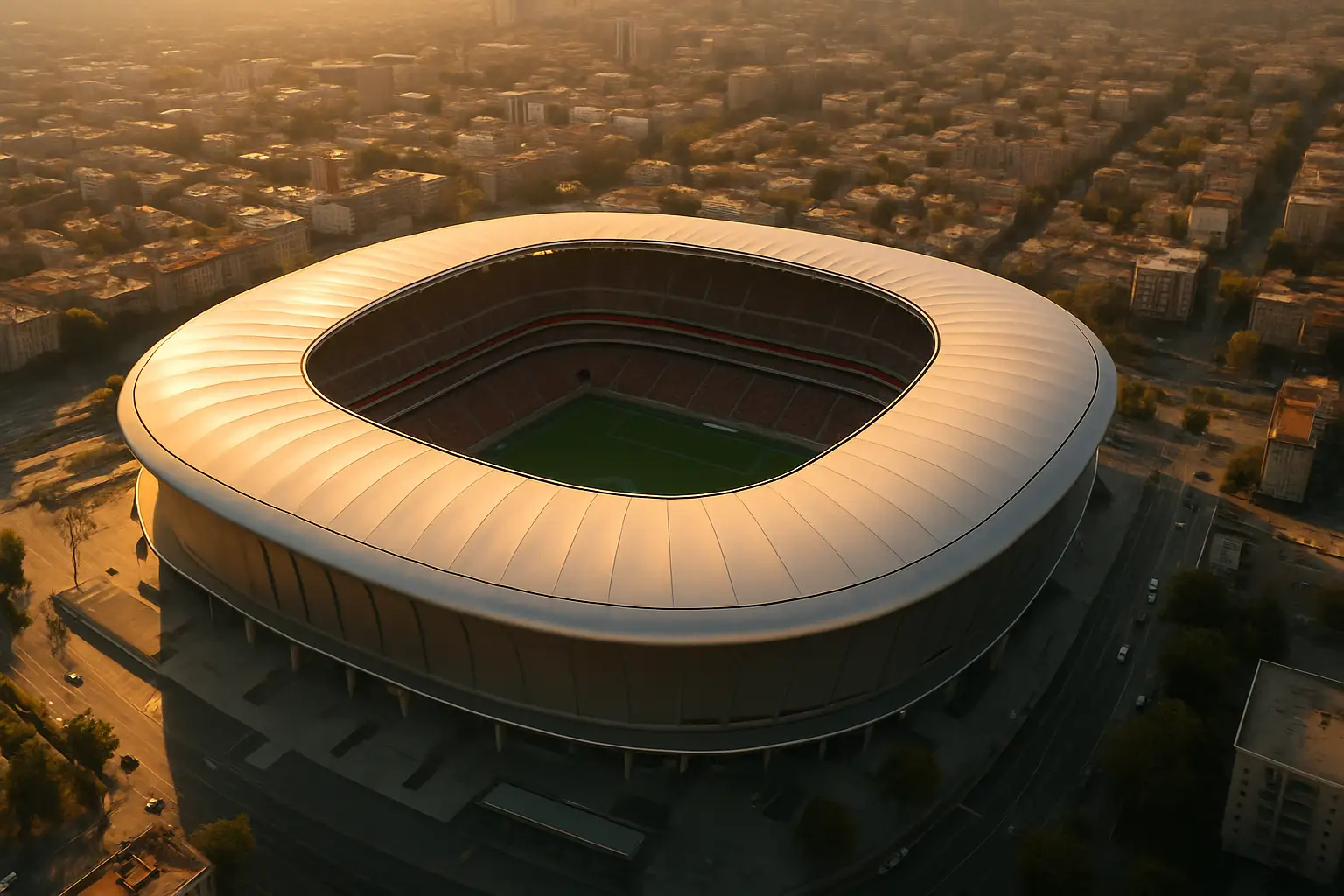
Venues across three countries will host the fixtures. In the United States alone, 11 cities are involved, ranging from New York and Los Angeles to Dallas and Seattle. Canadian matches will be held in Toronto and Vancouver, while Mexico City's Estadio Azteca is among the Mexican venues.
The scale of the event has prompted record broadcaster interest and widespread fan engagement well before the tournament kicked off. Demand for live coverage, both on television and through streaming platforms, is expected to reach record levels throughout the competition.
Staying Informed During the Tournament
For supporters looking to keep up with the June 22 schedule and beyond, FIFA's official website and app provide confirmed match times, team news, and live scores. Local sports broadcasters and reputable sports news outlets are also reliable sources for scheduling updates and coverage guides.
With the group stage moving quickly and every point carrying weight, June 22 promises to be another compelling day in what is already one of the most anticipated World Cups in the tournament's history.


Football Correspondent
Alex covers football and the global game with fast, sharp analysis.