
Former FIFA Referees Question Contrasting Decisions on Balogun and Quansah
Ex-FIFA referees have raised concerns about the different outcomes handed to Folarin Balogun and Jarell Quansah, questioning the consistency of officiating decisions.
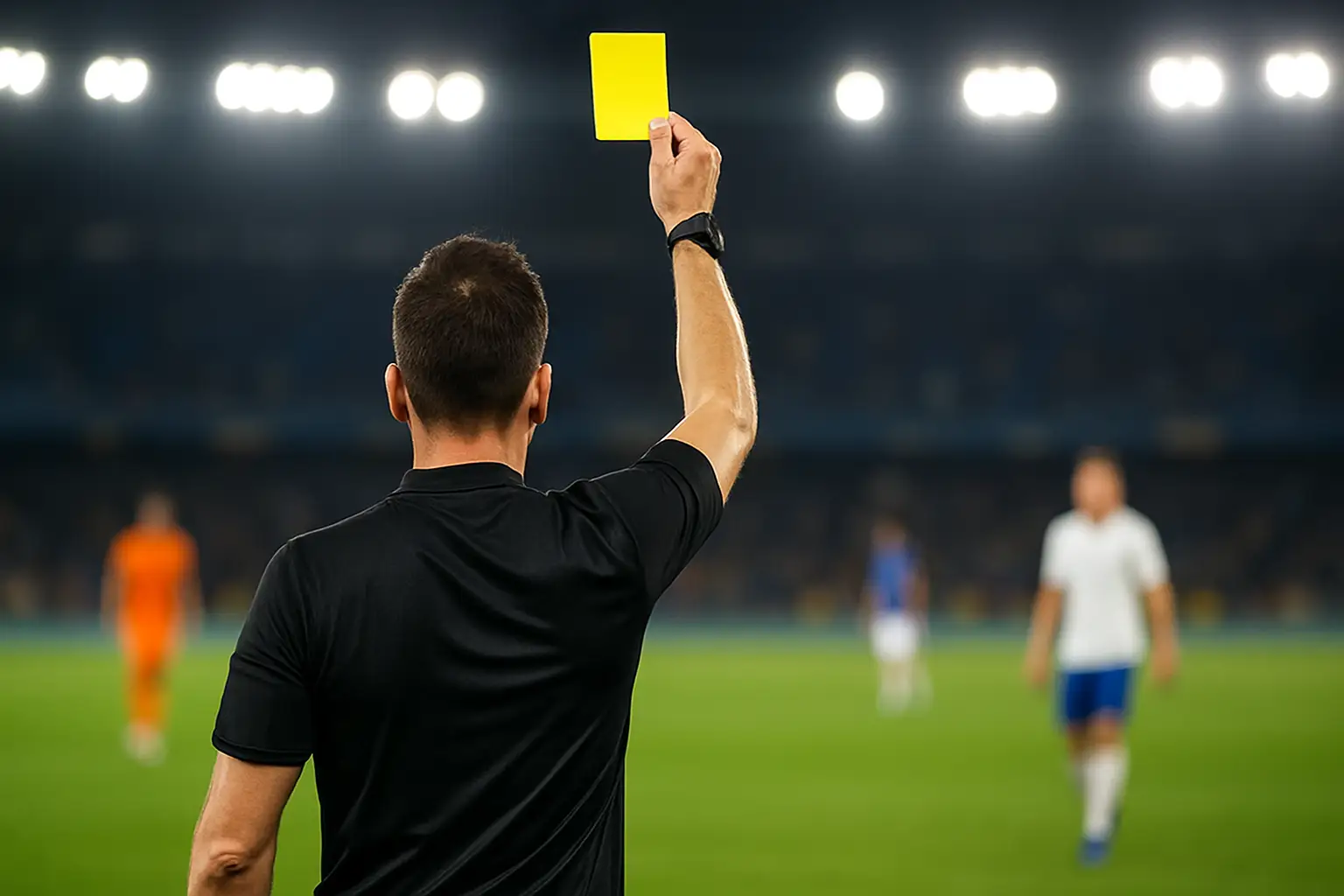


Referee Experts Raise Consistency Concerns
Former FIFA referees have spoken out about the contrasting fates handed to Folarin Balogun and Jarell Quansah, with questions now swirling over whether the decisions applied to both players were consistent. The debate, reported by The Star, centers on why two players in similar situations were treated differently by match officials.
Officiating consistency has long been a hot-button topic in football, and this case has given fresh ammunition to those who argue that referees apply rules unevenly depending on context, the match, or the players involved. When experienced ex-FIFA officials publicly voice doubts, the football community tends to listen.
What the Former Officials Said
The former FIFA referees, according to The Star's reporting, could not reconcile the different outcomes for Balogun and Quansah. Their core argument is straightforward: if two incidents are comparable in nature, the punishment or ruling should follow the same logic.
This kind of scrutiny from ex-officials carries weight. These are individuals who spent years applying the Laws of the Game at the highest level and understand the fine margins that separate one decision from another. Their skepticism is not casual. It reflects a genuine concern that inconsistency at the top level of the game undermines trust in match officials.
The specifics of what each player did, and what sanction or outcome followed, were flagged as incompatible under a fair reading of the rules. The Star attributed the criticism directly to former FIFA referees, making this more than a fan complaint.
Why Officiating Consistency Matters
Football's governing bodies have invested heavily in referee education and video review technology precisely to reduce the kind of inconsistency now being questioned in this case. When high-profile decisions appear to contradict each other, it feeds a broader narrative that the system is not working as intended.
For players like Balogun and Quansah, who both operate at professional levels with club and potentially international futures at stake, a single officiating call can affect availability for key matches, squad selection, and even transfer value. The stakes make consistency not just a philosophical concern but a practical one.
Clubs, managers, and players' unions have all pushed for greater transparency in how decisions are reached. Cases like this one give those calls renewed urgency. If former FIFA referees, people who have made these calls themselves under pressure, are left scratching their heads, it suggests the current system still has gaps to close.
Broader Implications for the Game
The public questioning of the Balogun and Quansah decisions arrives at a time when scrutiny of football officiating is at a high point globally. VAR reviews, red card appeals, and disciplinary hearings have all faced criticism for producing outcomes that appear contradictory when placed side by side.
This story, as reported by The Star, adds another data point to that debate. Former FIFA referees breaking from the usual silence of the officials' community to openly question a ruling signals that dissatisfaction with inconsistency is not limited to fans or pundits.
What happens next, whether governing bodies respond or quietly let the criticism pass, will say a great deal about how seriously football's administrators take the integrity of the officiating process.


Football Correspondent
Alex covers football and the global game with fast, sharp analysis.