
Late-Night Football Viewing Fuels Spending Boom in China
Chinese fans staying up to watch live football matches are driving a notable consumer spending surge, with retailers and delivery platforms reporting strong late-night sales.
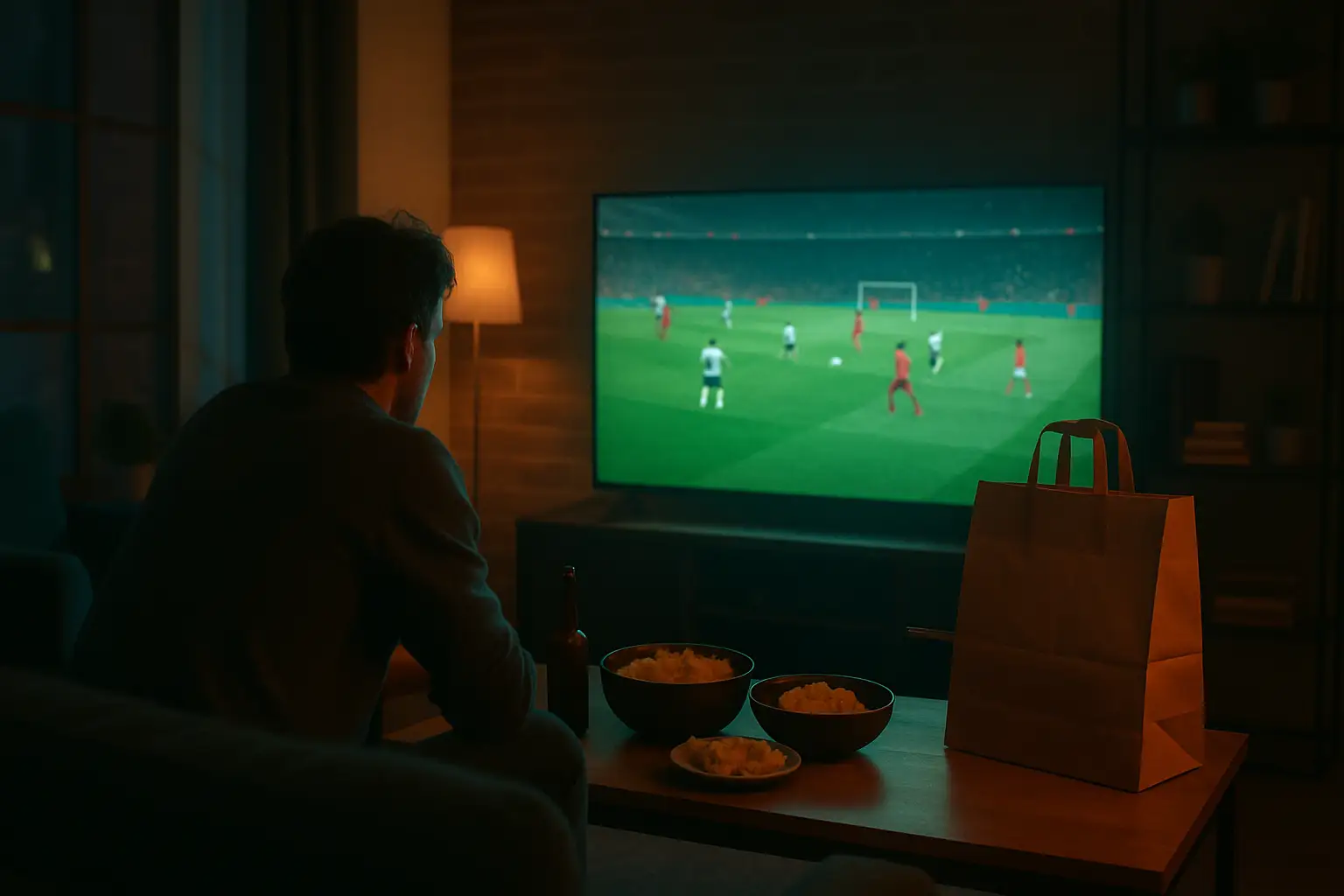


Late-Night Football Viewing Reshapes Chinese Consumer Habits
Late-night football viewing is doing more than keeping Chinese fans awake. According to a report by The Star, the habit of watching live matches in the small hours is feeding a measurable spending boom across China, with platforms and retailers seeing a clear uptick in purchases timed to kick-offs.
Because top European leagues and major international competitions are broadcast live in time zones that put matches between roughly midnight and 4 a.m. in China, viewers are snacking, ordering food, and buying merchandise while the action unfolds. The pattern has turned late-night hours into a commercial window that businesses are increasingly taking seriously.
Food Delivery and Snack Sales Lead the Charge
Food delivery services appear to be among the biggest beneficiaries. Orders for snacks, instant noodles, beer, and hot drinks spike during match windows, with platforms recording demand levels that can rival weekend evening peaks. Convenience stores near universities and residential areas also report higher foot traffic on nights when high-profile fixtures are scheduled.
Retailers selling club jerseys and football gear have noticed a similar pattern. Online stores on major Chinese e-commerce platforms see browsing and purchase activity climb sharply in the hours surrounding live broadcasts, suggesting that fans are shopping while they watch rather than waiting until morning.
Why Chinese Fans Keep Watching Despite the Hours
The commitment of Chinese football fans to following foreign leagues is well established, and the late-night time difference has not proved a serious deterrent. Social media communities built around clubs and competitions help sustain interest by creating real-time commentary spaces where fans interact during matches. That communal online atmosphere appears to reinforce the impulse to spend, whether on food or on club-related products.
Brands have taken note. Some advertisers now specifically target late-night broadcast slots to reach this engaged, spending audience. The logic is straightforward: a viewer who has already decided to sacrifice sleep for a match is an attentive one, and attentive viewers are valuable to advertisers.
What This Means for Football's Commercial Reach in China
The spending trend underlines how deeply football has embedded itself into Chinese popular culture as a consumption driver, not just a sport. China has long been a target market for European clubs seeking global revenue through shirt sales, sponsorships, and broadcast rights fees. Evidence that fans are actively spending during live viewing sessions strengthens the case for continued investment in the Chinese market.
For domestic businesses, the late-night football audience represents a reliable, recurring commercial opportunity tied to the football calendar. As long as the Premier League, La Liga, and Champions League continue to attract large Chinese audiences, the spending pattern is likely to repeat each season.


Football Correspondent
Alex covers football and the global game with fast, sharp analysis.