
Rio de Janeiro Confirmed to Host 2027 Women's World Cup Final
Rio de Janeiro will stage the 2027 Women's World Cup final as Brazil prepares to host the tournament, marking a landmark moment for South American football.
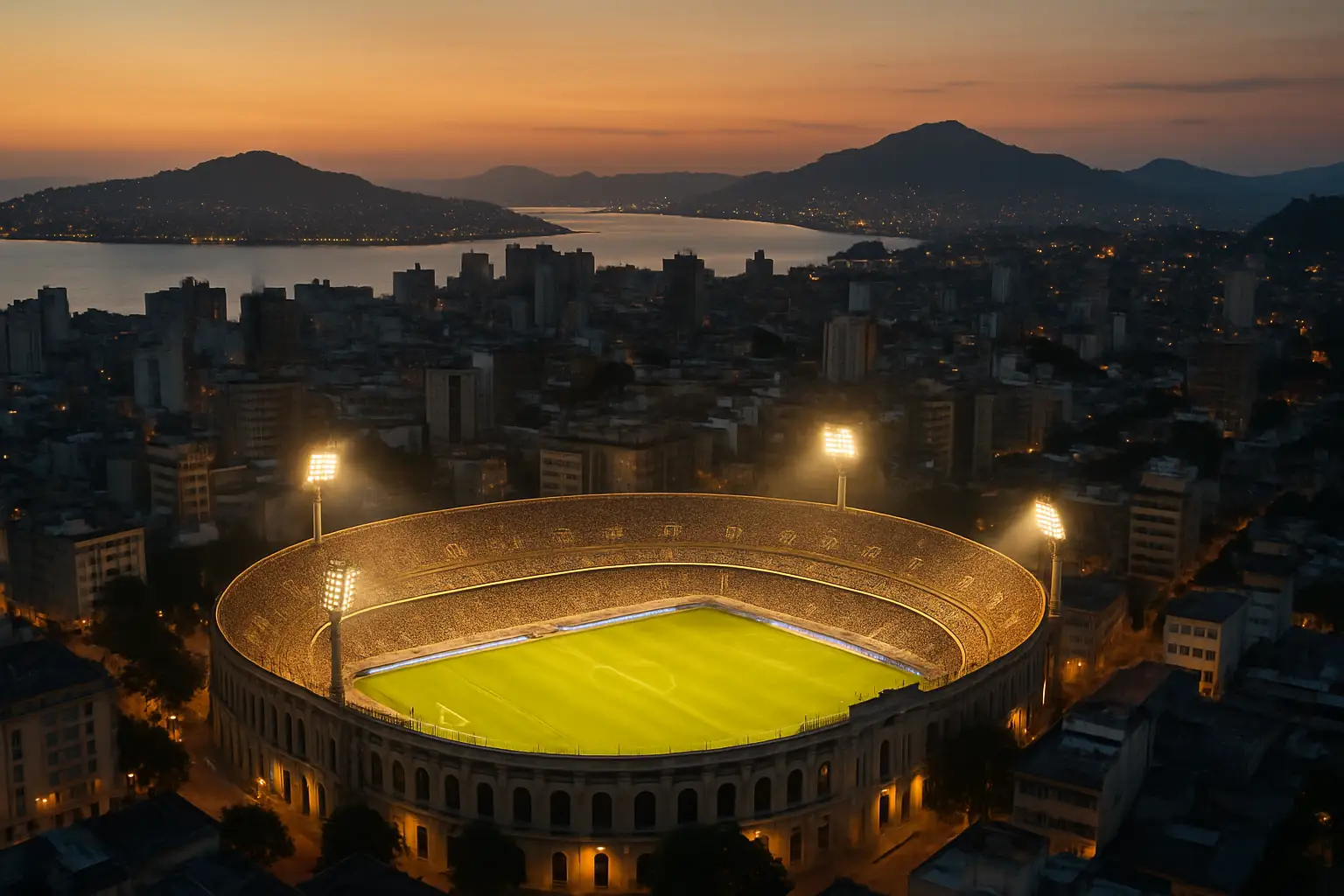


Rio de Janeiro Lands the Biggest Match in Women's Football
Rio de Janeiro has been confirmed as the host city for the 2027 Women's World Cup final, cementing the Brazilian city's place at the centre of one of sport's most anticipated tournaments. The 2027 edition will be held in Brazil, making it the first Women's World Cup staged in South America.
The decision places Rio de Janeiro alongside a short list of cities that have hosted a World Cup final on home soil. The iconic Estadio do Maracana, one of the most recognized football venues on the planet, is the expected centrepiece of the tournament's climax.
Brazil won hosting rights for the 2027 Women's World Cup after FIFA selected the country as the tournament host. The confirmation of Rio de Janeiro as the final venue adds a further layer of significance to a tournament that carries enormous weight for the growth of women's football across Latin America.
What This Means for Women's Football in Brazil
Brazil has long been a major force in women's football. The national team has produced globally recognized talent and has competed at the highest levels for decades. Hosting the Women's World Cup final in Rio de Janeiro is seen as a catalyst for expanding the sport's fanbase and infrastructure across the country.
The 2023 Women's World Cup, held in Australia and New Zealand, drew record television audiences worldwide and boosted commercial interest in the women's game significantly. Organizers and football officials will be hoping Brazil can build on that momentum, with packed stadiums and broad public enthusiasm driving coverage across the Americas.
Local investment in training facilities, youth academies, and stadium infrastructure is expected to accelerate in the lead-up to 2027. Hosting a tournament of this scale typically generates long-term benefits for domestic leagues and grassroots participation, particularly in the host nation.
Rio de Janeiro and the Maracana's Place in Football History
Few sporting venues carry the historical weight of the Maracana. The stadium hosted the 1950 FIFA World Cup final match, famously remembered for Uruguay's victory over Brazil in front of a crowd estimated in the hundreds of thousands. It later hosted the 2014 men's World Cup final and the 2016 Olympic Games closing ceremony and football final.
Adding a Women's World Cup final to that list would give the venue yet another chapter in its remarkable story. For the city of Rio de Janeiro, the event is also an opportunity to present itself on a global stage at a time when the city is working to strengthen its international sporting reputation.
The 2027 Women's World Cup final in Rio de Janeiro is still several years away, but planning and preparation across Brazil's host cities will intensify as FIFA timelines firm up. The confirmation of the final venue is a significant step in that process, giving organizers, sponsors, and fans a clear focal point for the tournament.


Football Correspondent
Alex covers football and the global game with fast, sharp analysis.