Pedro Acosta Gives Thumbs Up to MotoGP's Updated Radio Earplug System
Pedro Acosta has warmed to MotoGP's redesigned radio earplug system, signaling progress in the series' push to improve rider-to-pit communication during races.


Acosta Approves of the New Radio Earplug Design
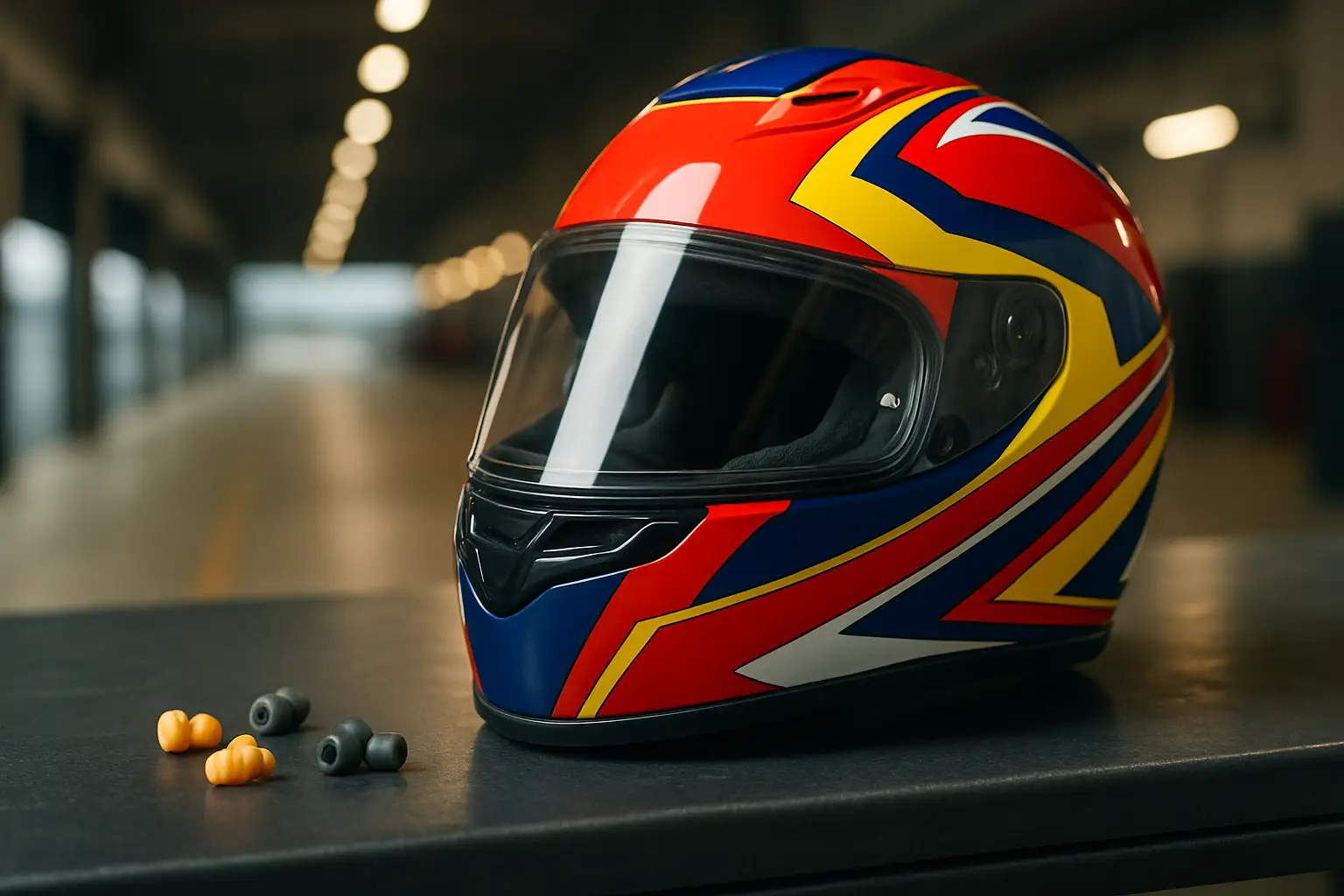
Pedro Acosta, the Red Bull GasGas Tech3 rider who has quickly become one of MotoGP's most closely watched young talents, has given a positive assessment of the revised radio earplug design introduced by the series. The updated hardware is part of MotoGP's ongoing effort to make in-race communication between riders and their pit crews more reliable and less intrusive.
According to reporting by Motorcycle.com, Acosta's early skepticism has shifted as he has spent more time with the redesigned device. The change in attitude is notable given that rider feedback is central to how MotoGP and its technical partners refine such systems.
Radio communication between riders and pit walls is a relatively recent addition to the MotoGP paddock, and the technology has gone through several iterations since its introduction. Getting a compact, comfortable earplug that works at racing speeds, inside a helmet, and under the physical strain of a grand prix is a genuine engineering challenge.
Why Rider Comfort Matters for Communication Tech
For a system like this to be useful, riders have to actually trust it and wear it without distraction. A device that fits poorly or delivers unclear audio at 300 km/h is worse than no device at all. That is the core problem MotoGP and its suppliers have been working to solve.
Acosta's feedback matters in that context. Younger riders who have grown up in a data-rich, highly coached racing environment tend to rely heavily on real-time input from engineers. If the communication link is clean and the hardware is comfortable, it can directly influence on-track decisions, from tire management to lap timing strategy.
The fact that Acosta, who is known for his direct and often blunt assessments of equipment, has moved toward a more favorable view suggests the redesign addressed at least some of the fit or audio quality complaints that riders raised with earlier versions.
MotoGP's Broader Push on Rider-Pit Communication
MotoGP has been cautious and incremental in rolling out two-way radio systems compared to some other motorsport categories. Formula 1 teams, for instance, have used sophisticated radio setups for decades. Bringing similar capability to motorcycle racing presents unique physical challenges. Riders are far more exposed, their helmets are subject to intense wind buffeting, and the body position changes constantly through corners.
The series has worked with audio specialists to develop earplug units that can be custom-fitted and that filter out enough ambient noise to make voice communication intelligible. The revised design that Acosta has been testing appears to be a step forward on those fronts, though the full technical details of what changed have not been publicly disclosed.
Other riders on the grid have also been part of the testing and feedback process, but Acosta's comments have drawn particular attention given his profile and his reputation for giving unfiltered opinions about his machinery and equipment.
What Comes Next
It remains to be seen whether the updated earplug design will be rolled out more broadly across the field or refined further based on continued rider input. MotoGP typically moves carefully with technology that affects safety or rider concentration, so any wider adoption will likely follow more structured testing across different helmet brands and rider head shapes.
For now, Acosta's warmer response to the hardware is a small but meaningful signal that the development process is heading in the right direction. In a championship where fractions of a second define results, having a communication system that riders trust and use without hesitation could prove to be a quiet but real competitive factor.


MotoGP Correspondent
Luca Moretti is 21.fun's MotoGP correspondent, following the championship from free practice to the podium with an eye for race strategy and tech.