Brad Binder Admits He Was Too Cautious in Silverstone MotoGP Race
Brad Binder says he was 'a bit too kind' during the Silverstone MotoGP race and describes a 'floating' sensation that hurt his pace on the KTM.
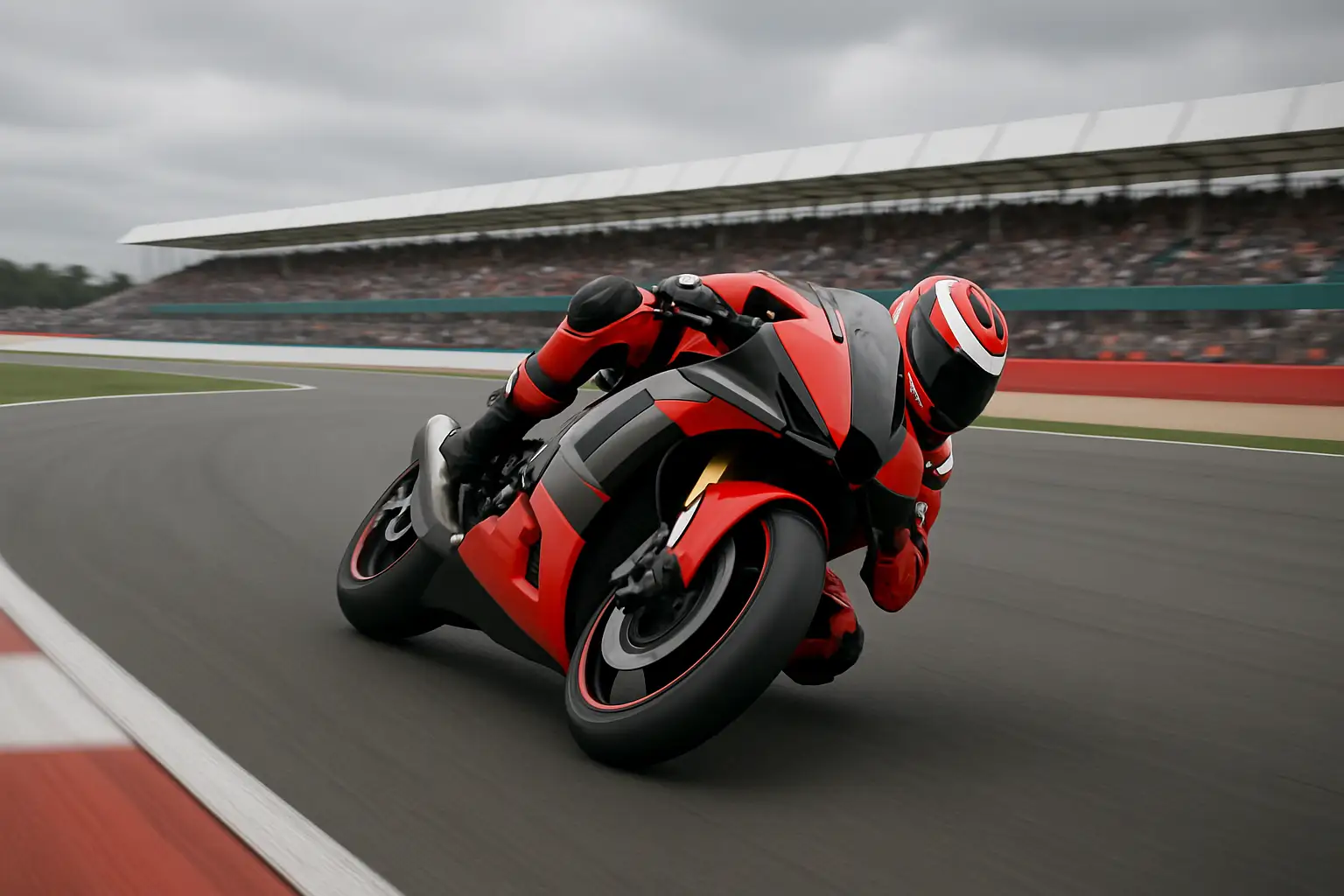


Binder Points to His Own Caution After Silverstone
Brad Binder did not mince words when reflecting on his performance at the British Grand Prix. The KTM rider admitted he was "a bit too kind" during the Silverstone race, suggesting he held back when he should have pushed harder. According to reporting by Motors-Addict, Binder also flagged a "floating" feeling on the bike as a key factor that disrupted his rhythm and limited what he could realistically ask of his RC16.
The South African is no stranger to honest self-assessments, and this post-race debrief was no different. Rather than pointing fingers at strategy or circumstances, he drew a direct line between his own conservative approach and the result he walked away with.
What Binder Meant by "Floating"
The word "floating" is telling. In MotoGP terms, a rider describing that sensation usually means the bike is not sitting firmly through corners or over braking zones, making it harder to commit to aggressive lines. When a rider cannot fully trust the front end or the overall balance of the machine, the instinct is to protect the tyres and the result rather than attack.
That appears to be exactly what happened to Binder at Silverstone. He was dealing with a bike that did not feel fully planted, and his response was to manage the race rather than chase positions. In hindsight, he felt that call cost him.
His comments carry weight because Binder is one of the more combative riders on the grid. He has a well-documented tendency to gamble on tyre strategy and push through discomfort. When a rider with that profile says he was too gentle, it signals the floating issue was serious enough to genuinely change his approach on track.
KTM Still Searching for Consistency
Silverstone has historically been a mixed venue for KTM. The high-speed layout rewards chassis stability and front-end confidence, both areas where the RC16 can sometimes struggle depending on conditions. Binder's description of the race fits that pattern.
KTM has shown real pace at various rounds this season, with Binder among the riders pushing the Austrian manufacturer forward. But converting that speed into consistent race-day results remains a work in progress. A race where the rider himself admits he was too cautious underlines the gap that still exists between the bike's potential and what it delivers across a full Grand Prix distance.
For the team, the feedback from Binder is at least clear and actionable. Identifying that floating sensation, understanding its cause, and finding a setup solution before the next round is the immediate priority. MotoGP calendars move quickly, and a round lost to a fixable problem is a round that cannot be recovered.
What Comes Next for Binder
Binder's candid assessment at Silverstone is the kind of feedback that can actually drive development. Teams value riders who can articulate exactly what the bike is doing rather than offering vague complaints. Saying the machine was floating and that it led to a conservative race gives KTM engineers a specific problem to solve.
The British Grand Prix result will sting, but Binder has bounced back from difficult weekends before. His focus now shifts to carrying the lessons from Silverstone into the next race, with a clearer picture of what the RC16 needs to let him race the way he knows he can.


MotoGP Correspondent
Luca Moretti is 21.fun's MotoGP correspondent, following the championship from free practice to the podium with an eye for race strategy and tech.