
Casey Stoner Opens Up on Phillip Island's One Glaring Problem
Casey Stoner has acknowledged a persistent issue with Phillip Island while still praising the iconic Australian circuit as a venue worth the trouble.
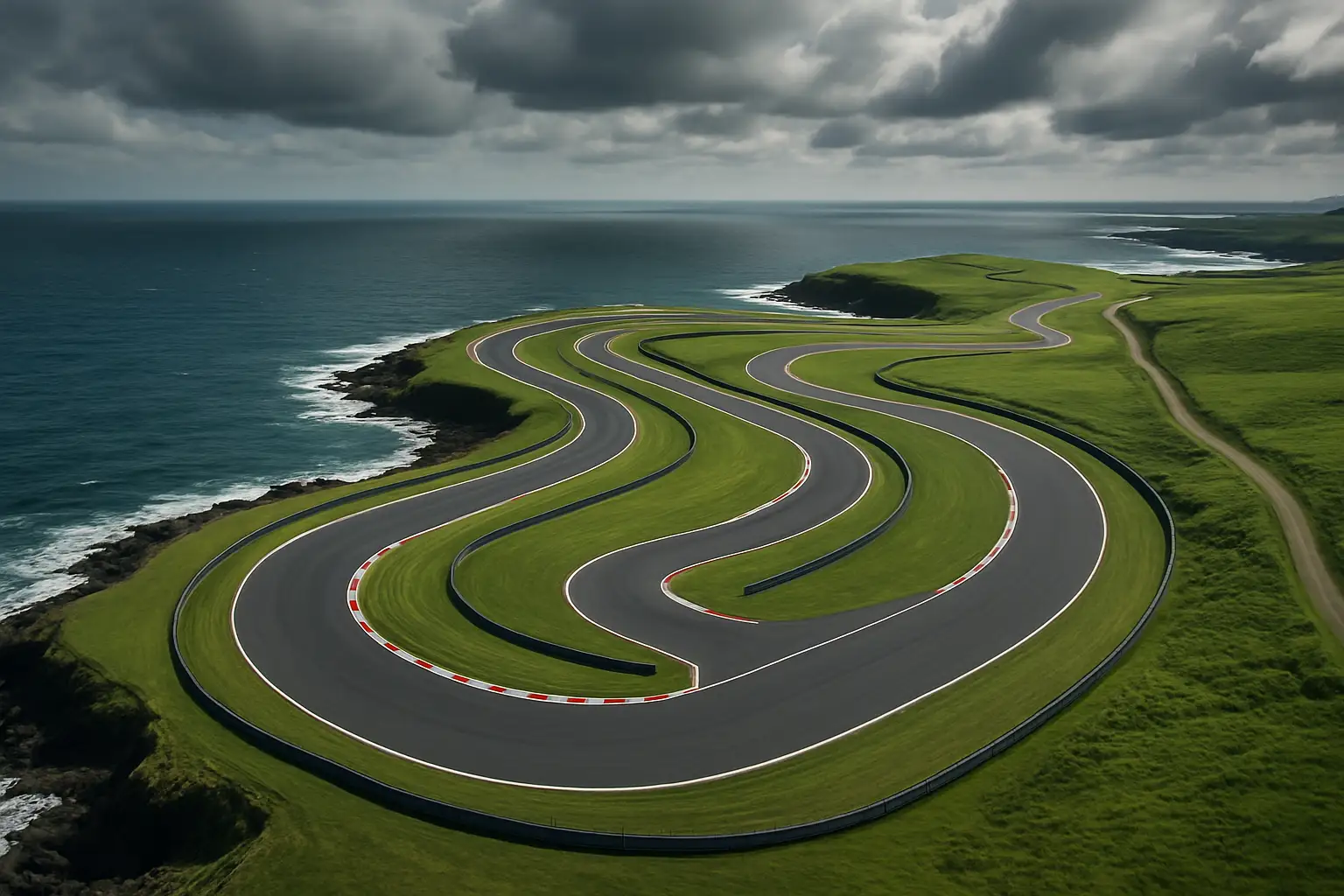


Stoner Praises Phillip Island But Flags a Real Concern
Casey Stoner has long been associated with Phillip Island, the windswept circuit on Victoria's southern coast that has produced some of MotoGP's most spectacular racing. But the two-time world champion is not blind to its faults. According to reporting by MotoGP News, Stoner has openly acknowledged that the track carries at least one significant problem, even as he maintains that the overall experience makes it worthwhile.
Stoner's comments reflect a view shared quietly by riders past and present. Phillip Island is visually stunning and technically demanding in ways few other tracks can match, but conditions there can turn hostile quickly. The circuit sits exposed to the Bass Strait, and wind gusts can reach unpredictable levels, making setup work difficult and grip levels inconsistent across a single session.
For Stoner, who won at Phillip Island multiple times during his career, the track clearly holds a special place. His acknowledgment that it has a genuine issue is notable precisely because he is not someone who hands out criticism lightly.
What Makes Phillip Island Both Great and Problematic
The circuit itself is a genuine driver and rider favorite. Long, sweeping corners like the Hayshed and the Southern Loop demand commitment and trust in the machine. Lap speeds are among the highest on the MotoGP calendar. That combination tends to produce races with serious overtaking opportunities and memorable moments.
The problem Stoner pointed to, as reported, is one that has shadowed the venue for years. While the specifics of his remarks center on the difficulty the track presents in certain conditions, he was clear that the quality of the layout itself remains high enough to justify its place on the calendar. "The track was worth it" is how he framed it, a concise summary that captures both sides of the argument.
That kind of balanced view from a rider of Stoner's caliber carries weight. He raced at the highest level for over a decade and knows the difference between a circuit that is genuinely challenging and one that is simply awkward or unsafe.
Phillip Island's Place on the MotoGP Calendar
The Australian Grand Prix at Phillip Island has been a fixture of MotoGP for decades. It draws strong crowds and consistently delivers competitive racing. The circuit's position in the championship schedule, typically in the latter part of the season, often means it arrives at a point when title battles are tightening, adding to the drama.
Riders have historically had mixed feelings about the logistical demands of traveling to Australia, but rarely about the track itself. Stoner's comments fit a pattern where even the most enthusiastic supporters of Phillip Island feel compelled to note the environmental and atmospheric challenges that teams face across a race weekend.
Organizers and the circuit itself have made incremental improvements over the years, but the fundamental geography, an exposed coastal location with little natural shelter, is not something that can be engineered away.
Stoner's willingness to voice the concern while still endorsing the circuit as a worthy venue gives the conversation a degree of credibility it might lack from a less experienced source. His record there, and his broader career achievements, mean his opinion on circuit quality carries genuine authority in the paddock.


MotoGP Correspondent
Luca Moretti is 21.fun's MotoGP correspondent, following the championship from free practice to the podium with an eye for race strategy and tech.