Jorge Martín Says MotoGP Racing Is Far Tougher Than Cycling the Pyrenees
MotoGP world champion Jorge Martín took on a grueling Pyrenees cycling challenge during the off-season, then made clear where the real physical test lies.


Martín Takes On the Pyrenees - Then Puts It in Perspective
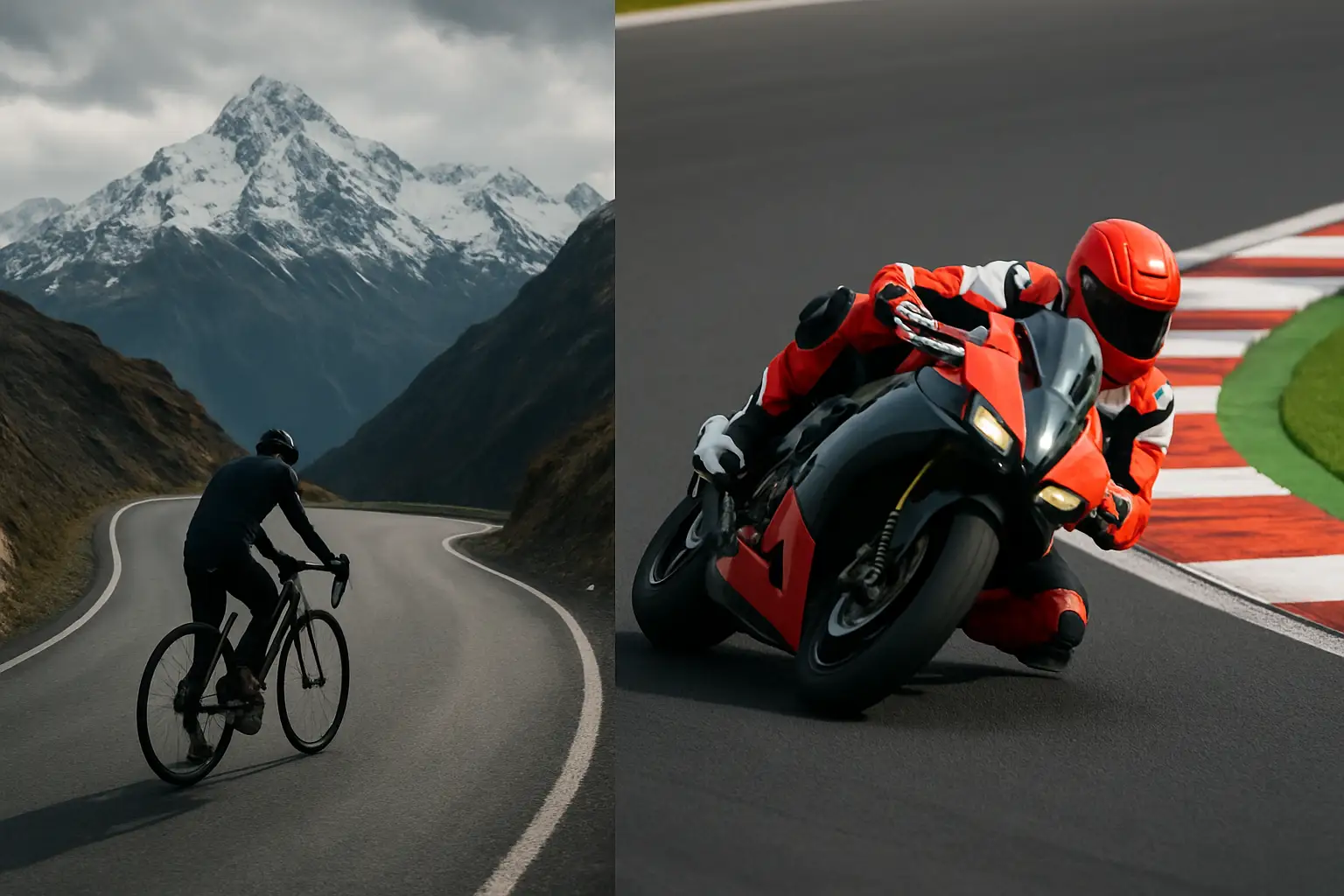
Jorge Martín is no stranger to physical punishment. The reigning MotoGP world champion spent part of his off-season grinding through a cycling challenge across the Pyrenees mountain range, a route that would test almost any athlete. But when asked to compare the experience to what he does on race weekends, Martín did not hesitate. A MotoGP race, he said, is much harder.
The admission, reported by Paddock GP, carries weight coming from someone who just completed a demanding multi-stage ride through one of Europe's most punishing mountain chains. The Pyrenees stretch across the border between France and Spain, with climbs that have broken professional cyclists during the Tour de France. For Martín to tackle such terrain in the off-season speaks to his commitment to general fitness away from the bike.
Yet his takeaway was not that cycling is easy. It was that MotoGP racing operates on a different level entirely.
What Makes MotoGP So Physically Demanding
Riding a MotoGP machine at race pace places extreme stress on the body. Riders endure brutal g-forces under hard braking, with deceleration forces that can exceed 1.5g. They wrestle with bikes producing around 300 horsepower, managing throttle, braking, and body position simultaneously through dozens of corners per lap across races that typically last around 40 minutes.
Neck, shoulder, and forearm strength are critical. The physical load on a rider's body during a single race is comparable to what many athletes experience in far longer competitive efforts, largely because the intensity never drops. There is no coasting, no drafting, no moment to simply spin the legs at low effort.
Martín's cycling trip across the Pyrenees would have demanded cardiovascular endurance over many hours, significant leg strength on steep gradients, and mental resilience on long descents. Those are real athletic demands. His point, though, is that MotoGP compresses a different and arguably more acute kind of physical and mental strain into a shorter, more explosive window.
Off-Season Training With a Point to Prove
For top MotoGP riders, the off-season is not downtime. Cross-training on bicycles, motorcycles, and in gyms is standard practice. Cycling in particular builds cardiovascular base fitness and works the same postural muscles that riders rely on when hanging off a prototype racing machine at 300 km/h.
Martín's decision to tackle a ride of this scale suggests he entered the new season with serious preparation behind him. After claiming the 2024 MotoGP world championship, the Spanish rider moved to the Aprilia factory team, adding fresh motivation to arrive in peak condition.
His comment comparing the two disciplines is not a dismissal of cycling as a sport. It reads more as an honest reflection from someone who has now experienced both at a high level of effort, and who knows exactly what his body goes through when the MotoGP lights go out on a Sunday afternoon.


MotoGP Correspondent
Luca Moretti is 21.fun's MotoGP correspondent, following the championship from free practice to the podium with an eye for race strategy and tech.