Luca Marini Wants MotoGP Engineers to Ride the Bikes They Build
Repsol Honda rider Luca Marini has called out MotoGP engineers, saying they need hands-on time with the machines they develop to better understand rider feedback.


Marini Takes Aim at the Gap Between Engineers and Riders
Luca Marini has never been shy about speaking his mind, and the Repsol Honda rider is at it again. In comments reported by SPEEDWEEK.com, the Italian MotoGP rider argued that the engineers responsible for developing prototype racing motorcycles should get on the bikes and test them personally. His point is straightforward: without direct physical experience of what a MotoGP machine actually does at race speeds, engineers struggle to properly interpret what riders are telling them.
It is a frustration that likely echoes through garages up and down the paddock, even if few riders say it this bluntly. Marini did.
The Communication Problem at the Heart of MotoGP Development
Rider feedback is the engine that drives motorcycle development in MotoGP. After every session, riders sit down with their technical crews and try to translate physical sensations into actionable data. The front feels nervous under braking. The rear steps out mid-corner. The power delivery is too aggressive at a specific point on the throttle map. These are not simple descriptions, and converting them into hardware or software changes is genuinely difficult work.
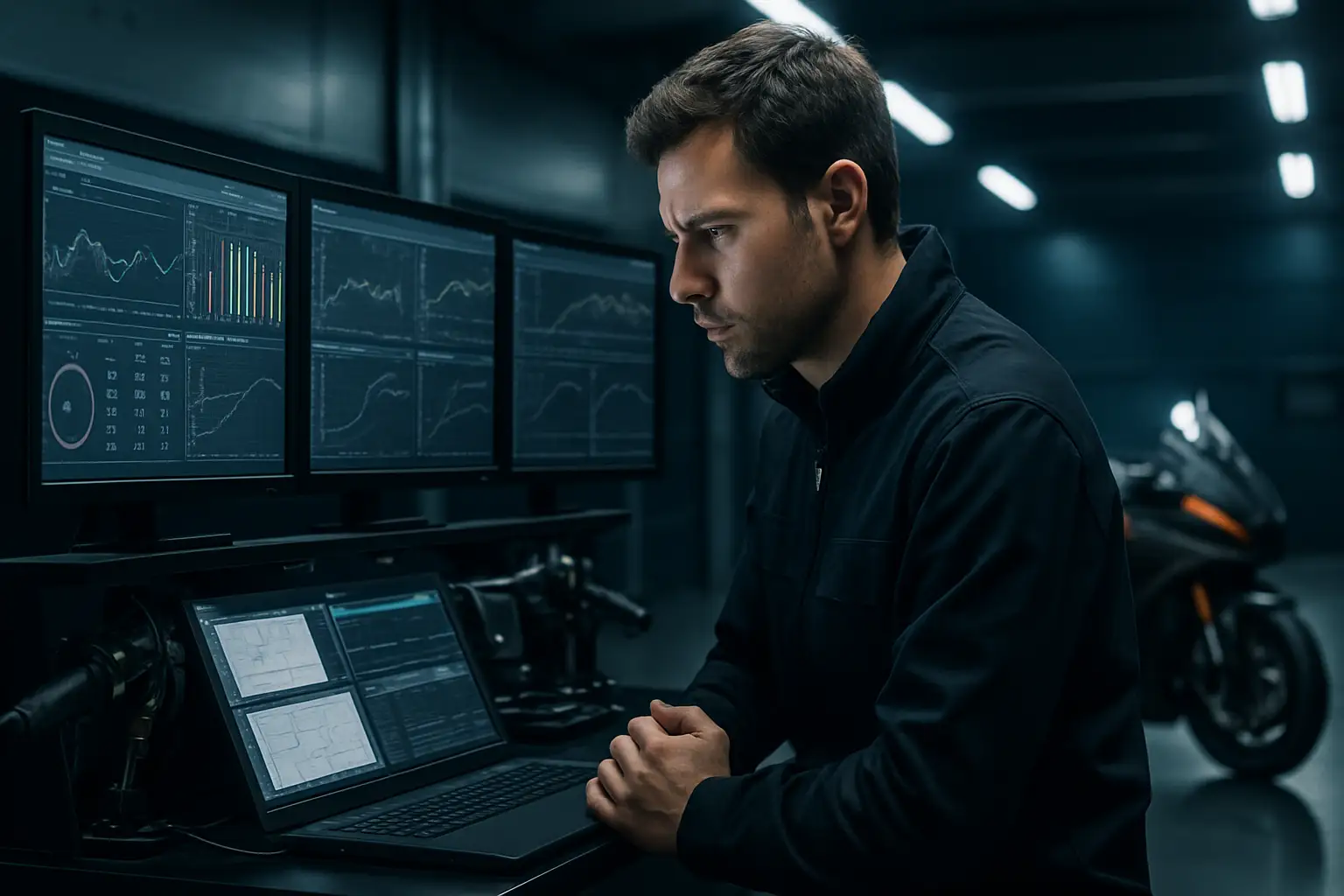
Marini's argument is that engineers who have never felt those forces themselves are working at a disadvantage. Reading telemetry and watching onboard footage only goes so far. The human body processes information on a 300 km/h motorcycle that sensors simply do not capture in full. A rider knows something is wrong before the data confirms it, and explaining that instinctive feeling to someone who has never experienced even a fraction of those conditions is a real barrier.
He is not suggesting engineers should jump on a MotoGP prototype and head out on circuit. The point is more about exposure and understanding, getting engineers closer to the physical reality of what they are building, even if that means time on road bikes or lower-category machines.
Why This Matters for Honda in Particular
The timing of Marini's comments carries some weight given where Honda currently sits in the MotoGP standings. The Japanese manufacturer has had a difficult stretch, struggling to return the RC213V to the front of the grid after losing Marc Marquez to Ducati ahead of the 2024 season. Marini joined the factory Repsol Honda squad for 2024 and has been part of the development push to help rebuild the bike.
For a team investing heavily in recovering lost ground, the relationship between rider feedback and engineering response is not an abstract debate. It is central to whether Honda can close the gap to Ducati and the other frontrunners. If Marini feels the feedback loop between riders and engineers needs improvement, that is a signal worth taking seriously inside the HRC structure.
Honda is far from alone in facing this challenge. Every factory in MotoGP relies on test riders and race riders to shape development direction, and the quality of communication between the two sides of the garage directly affects how quickly a bike improves.
Riders as Development Tools
Marini's broader point touches on something the sport has wrestled with for years. Riders in the modern era are expected to be increasingly precise and technical in their feedback, almost acting as human sensors. At the same time, engineering teams are growing larger and more specialized, meaning the people making key technical decisions can be several steps removed from the physical act of riding.
Some manufacturers have addressed this by putting engineers through riding programs, or by hiring former professional riders into technical roles. The idea is to build a shared language between the people who develop the machine and the people who race it.
Whether Marini's comments prompt any formal response from Honda or spark a wider paddock conversation remains to be seen. But his willingness to raise the issue publicly keeps an important debate alive. The best motorcycle in MotoGP is built on a tight, honest dialogue between rider and engineer, and anything that weakens that dialogue costs lap time.


MotoGP Correspondent
Luca Moretti is 21.fun's MotoGP correspondent, following the championship from free practice to the podium with an eye for race strategy and tech.