Moto2 Chassis Debate: Open Competition or One-Make Formula?
Moto2 faces a structural question about its future: should the class welcome more chassis builders, or consolidate around a single manufacturer?


Moto2 at a Fork in the Road
The Moto2 class is facing a defining question about its identity, and the debate over whether to allow more chassis builders or lock the series into a one-make formula is gaining traction in paddock discussions. As reported by Motorcycle.com, the intermediate class - which already runs a spec engine - is now weighing how much further standardization should go.
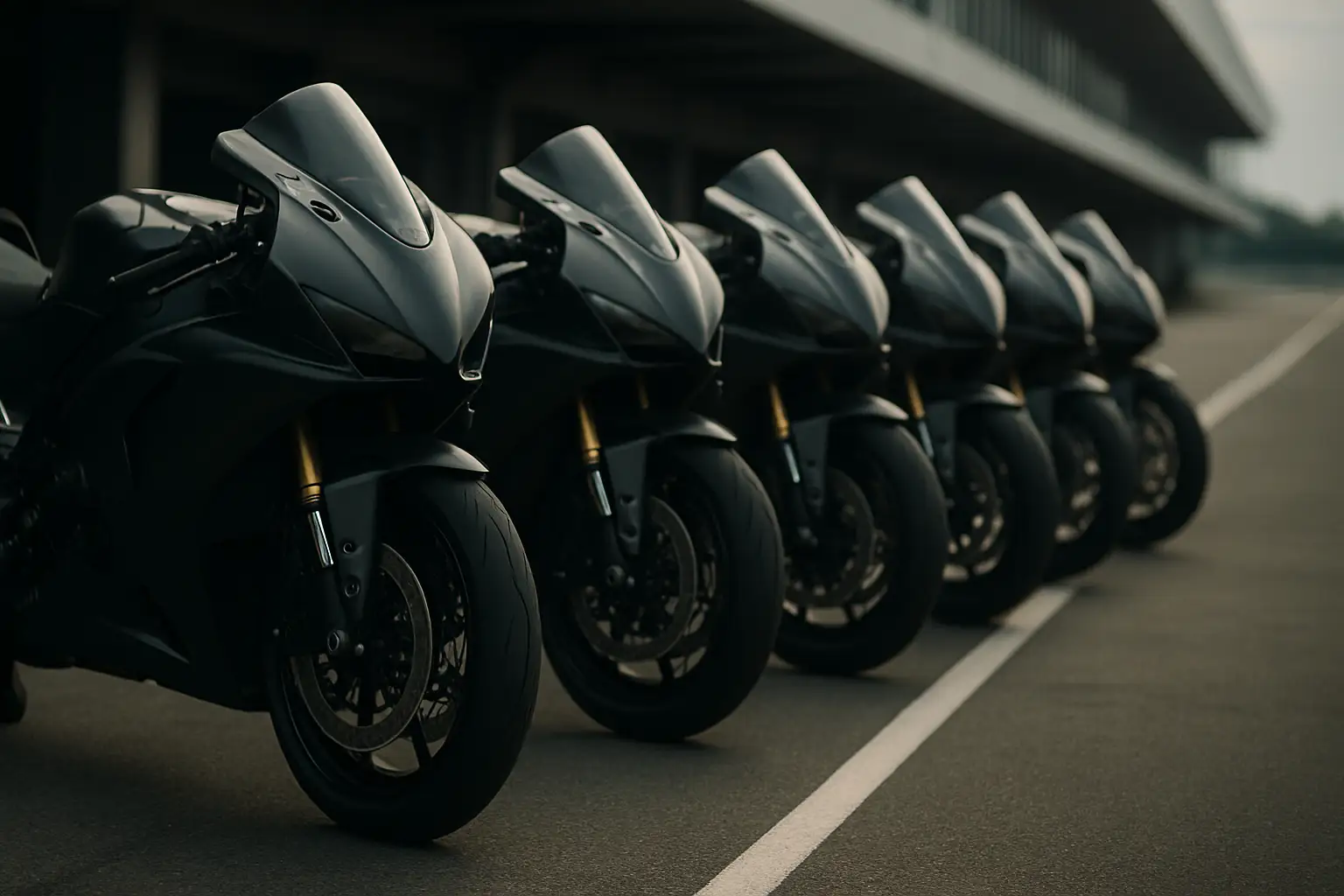
Moto2 has operated with a controlled technical package for years. Since 2019, all teams have used the same Triumph inline-three engine, a move that was designed to cut costs and tighten competition. The chassis side of the equation, however, has remained more open, with builders like Kalex dominating while others compete for space on the grid.
Kalex has held a near-stranglehold on Moto2 chassis supply for well over a decade. That dominance itself raises questions: if one manufacturer already controls the vast majority of grid slots, is the class functionally a one-make series in practice, even if not by rule?
The Case for More Builders
Opening the door to additional chassis manufacturers would introduce genuine technical diversity. More builders mean more engineering approaches, more competition between suppliers, and potentially better development that could benefit riders and teams across the grid.
For smaller or privateer teams, the prospect of alternative chassis suppliers could also introduce pricing competition. When one supplier dominates, teams have limited leverage in negotiations. A more open market could shift that dynamic, giving teams more options and potentially lowering costs over time.
There is also a sporting argument. If different chassis builders can find performance advantages, it adds another variable to race outcomes, rewarding teams that make smart technical choices rather than simply those who can afford the best riders.
The Case for a One-Make Approach
On the other side, a fully standardized chassis would bring predictability and cost certainty. Teams would know exactly what they are getting, and the performance gap between the best-resourced outfits and the smaller operations could narrow.
A one-make formula also simplifies logistics, homologation, and technical scrutineering. Series organizers can guarantee a baseline of parity, which in a feeder class designed to develop riders rather than engineers, has a clear appeal. The argument goes that Moto2 exists to prepare riders for MotoGP, and stripping away technical variables keeps the focus on rider development.
The spec engine formula has broadly been viewed as a success in that context. Extending that philosophy to chassis would be a logical continuation for those who prioritize close racing and cost control.
What Comes Next
No firm decision has been announced, and the discussion remains at the evaluation stage. The outcome will shape the character of the class for years, affecting how teams budget, how chassis builders invest, and how the grid looks in terms of technical variety.
Moto2 has long served as a proving ground for some of the world's best young talent. How its regulations evolve will determine whether the class remains a technically interesting category or becomes a pure spec series where setup and rider skill are the only differentiators. Both paths have merits, and neither is without trade-offs.


MotoGP Correspondent
Luca Moretti is 21.fun's MotoGP correspondent, following the championship from free practice to the podium with an eye for race strategy and tech.