Moto2's Future: More Manufacturers or a Single-Spec Formula?
Debate is growing over Moto2's long-term direction, with two opposing paths on the table: open up the class to more manufacturers, or lock it down with a single-spec machine.


Moto2 at a Crossroads
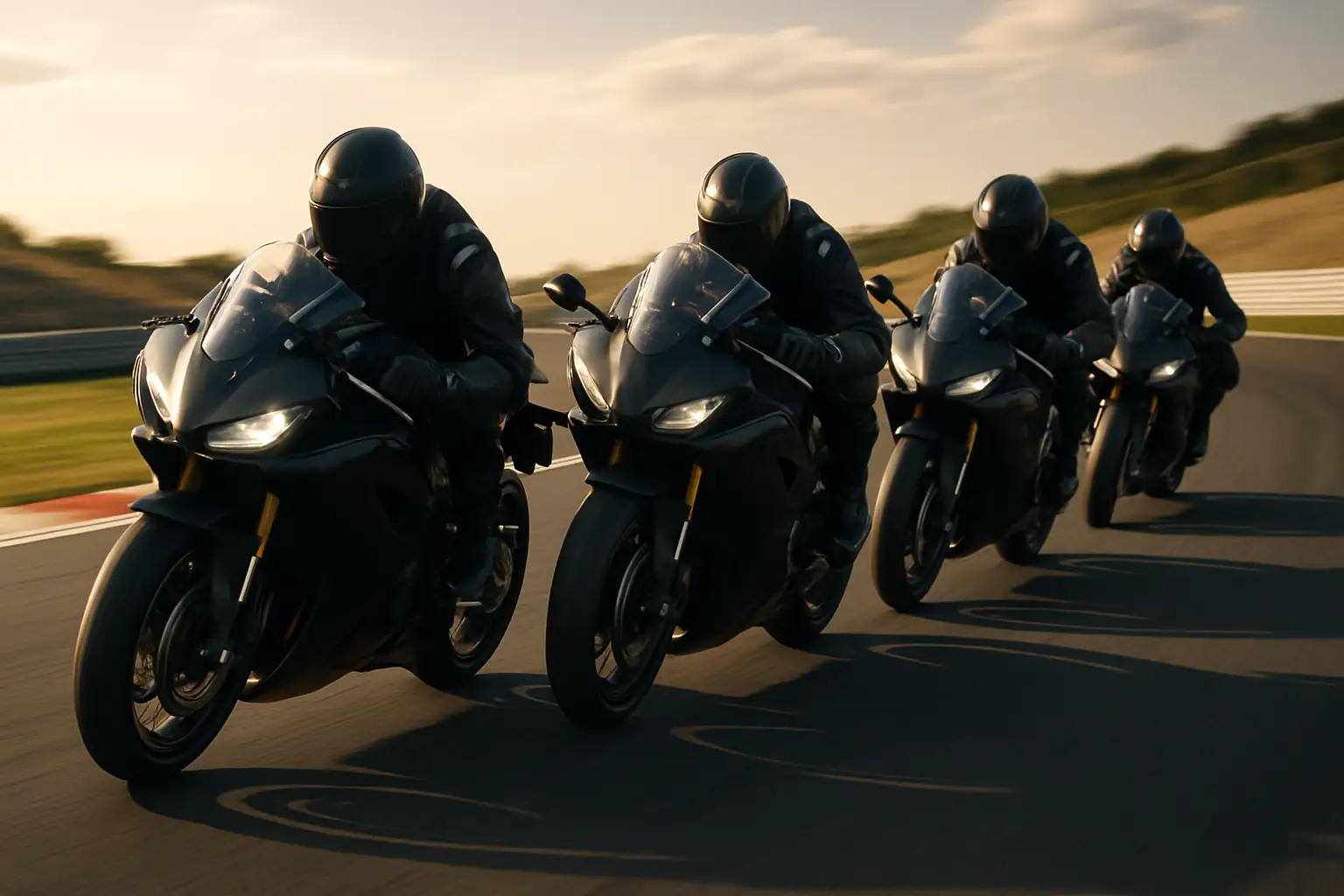
The question of what Moto2 should look like in the coming years is generating serious discussion within the paddock. At the heart of the debate is a straightforward but consequential choice: should the intermediate class attract more chassis manufacturers to broaden competition, or should it follow the path taken by other classes and adopt a single-spec bike formula?
Speedweek.com raised the issue, highlighting that no clear consensus has formed yet among the key stakeholders who would shape any structural change to the category.
Right now, Moto2 already operates with a standardized engine, supplied exclusively by Triumph since 2019. That arrangement replaced the Honda CBR600RR-based spec engine and was designed to level the playing field on the power side while leaving chassis development open to individual constructors. Teams can choose from a selection of approved frames, built by manufacturers including Kalex, which has dominated the class for years.
The tension in the current model is obvious. Kalex's grip on the constructor standings has been near-total for over a decade. Rivals have come and gone, struggled to close the gap, and in some cases left the class entirely. That dominance raises a legitimate question about whether the existing semi-open structure is actually producing the competitive variety it was meant to encourage.
The Case for More Manufacturers
Opening the class further to new chassis builders would, in theory, inject fresh engineering approaches and tighter racing. More manufacturers competing on frame design could reduce Kalex's structural advantage and give teams more meaningful choices when putting together a competitive package.
A broader manufacturer base also has commercial logic. More constructors means more investment flowing into the class, more technical staff, and potentially more interest from sponsors and partners who want their brand attached to a factory effort rather than a privateer-spec chassis.
The counter-argument is that attracting new manufacturers is harder than it sounds. Building a competitive Moto2 chassis requires significant resources, and the return on investment is unclear when one builder has been so dominant for so long. Any new entrant would be taking a long-term bet with no guaranteed payoff.
The Single-Spec Argument
The alternative being discussed is moving Moto2 toward a fully standardized machine, extending the spec philosophy from just the engine to the entire bike. MotoGP's support ladder already includes Moto3, which uses a single-spec Honda or GASGAS or KTM machine depending on the team, and the Red Bull MotoGP Rookies Cup, which runs on identical machinery.
A single-spec Moto2 bike would strip away the chassis variable entirely. Every rider would compete on the same equipment, making results a purer reflection of talent and setup work rather than which frame a team could afford or access. For a class that is explicitly designed to develop riders for MotoGP, that argument carries some weight.
Critics of the single-spec approach point out that it would effectively end what little manufacturer competition remains in Moto2. It would also reduce the class's relevance as a technical development ground, since teams and engineers would have nothing to develop. The intermediate class has historically served as a place where technical staff gain experience alongside riders, and a spec formula would narrow that function considerably.
What Comes Next
No decision has been announced, and the debate reported by Speedweek.com reflects an ongoing conversation rather than any imminent regulatory change. Dorna Sports, the FIM, and the MSMA would all need to align on any structural shift, and those conversations tend to move slowly.
What is clear is that the current model, with a spec engine but open chassis, sits in an uncomfortable middle ground. It has not produced the manufacturer variety its structure theoretically allows, and Kalex's continued dominance is a recurring talking point when the class's health is assessed.
Whether the answer is more openness or more standardization, the pressure to do something is building. Moto2 remains one of the most watched support categories in world motorcycle racing, and keeping it competitive and relevant is a priority for the series as a whole.


MotoGP Correspondent
Luca Moretti is 21.fun's MotoGP correspondent, following the championship from free practice to the podium with an eye for race strategy and tech.