MotoGP 'Danger' Should Be Central to Sport's Growth Strategy, F1 Owners Told
Liberty Media, which owns Formula 1, is being urged to lean into MotoGP's raw danger as a key selling point as the series pursues a broader global audience.


The Case for Embracing Risk
MotoGP's new ownership group, led by Formula 1 parent company Liberty Media, is facing pointed advice from within the sport: stop softening the edges. According to reporting by RacingNews365, figures connected to MotoGP are urging Liberty to put the 'danger' of motorcycle grand prix racing front and center in any growth campaign, rather than packaging it away in favor of a more polished, mainstream-friendly product.
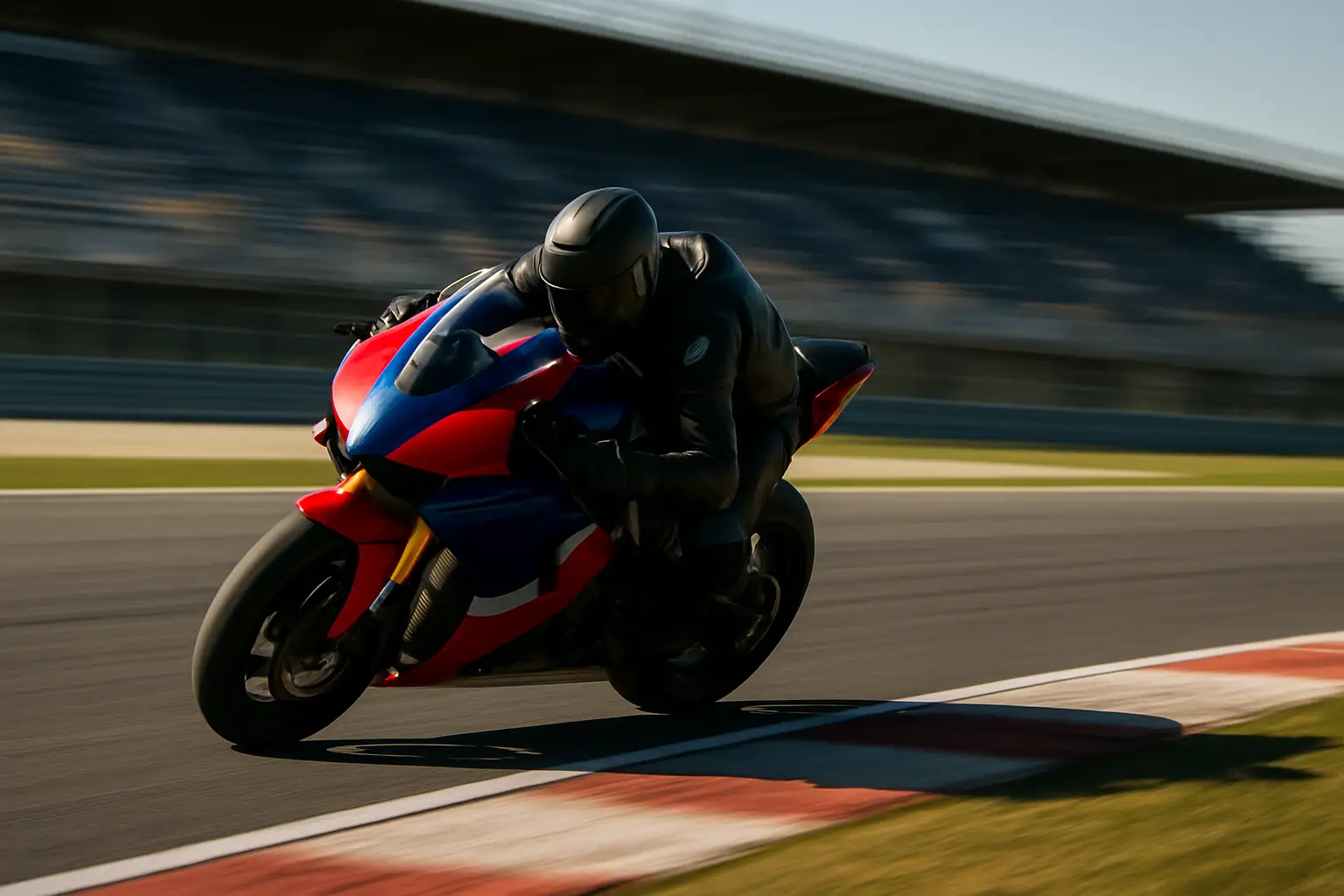
The argument is straightforward. MotoGP is not F1. Riders lean at extreme angles inches from the asphalt at speeds that regularly exceed 350 km/h, with nothing between them and the track surface but leather. That inherent physical risk is not a liability to be managed in marketing materials. For many fans, it is the entire point.
Liberty completed its acquisition of Dorna Sports, the longtime commercial rights holder for MotoGP, in a deal that closed in 2024. Having reshaped F1's global profile through aggressive content strategies, including the Netflix Drive to Survive docuseries, Liberty is widely expected to bring a similar playbook to two wheels.
Why 'Danger' Sells
The push to highlight risk is not simply a romantic attachment to motorsport's old-school identity. There is a commercial logic behind it. The sports media landscape is crowded, and MotoGP competes for attention against a long list of alternatives. What the series offers that few others can match is genuine, visible, consequential danger. Riders crash at high speed regularly. They return to the paddock with broken bones and, in tragic cases, the sport confronts fatalities. That reality creates a level of tension and emotional investment that scripted entertainment cannot replicate.
Soft-pedaling that element, the argument goes, risks diluting the very thing that makes MotoGP distinct. If Liberty applies an F1-style gloss without acknowledging what separates motorcycle racing from the four-wheeled version, the series could end up appearing as a lesser version of something fans already follow, rather than a unique and visceral sport on its own terms.
Drive to Survive worked for F1 partly because it exposed personality conflicts and strategic drama that TV broadcasts rarely showed. A MotoGP equivalent would have different raw material. The physical stakes are higher on a bike, and any behind-the-scenes content would be hard-pressed to ignore that reality.
Balancing Growth With Authenticity
None of this means Liberty should turn MotoGP into a highlight reel of crashes. The challenge is threading a specific needle: acknowledging danger honestly, showing the courage it takes to compete at this level, and building that into a broader narrative about the athletes and the machines, without appearing to sensationalize injury or death.
That balance is something the sport has always had to manage. MotoGP has invested heavily in safety over the past two decades, from airbag leathers to improved circuit run-off areas and the introduction of the Ride Height Device era that changed how bikes behave under braking. Presenting danger honestly means showing the sport as it is, not as a reckless spectacle.
For Liberty, which has deep experience translating motorsport into mainstream entertainment, the task will be finding the right tone. Authenticity matters to existing fans. Any content strategy that feels manufactured or that visibly sanitizes what happens on track will struggle to hold the core audience, even as it attempts to grow a new one.
RacingNews365 reported that the message from inside the sport is clear: the danger is a feature, not a flaw, and marketing should reflect that. Whether Liberty acts on that advice will become apparent as the company rolls out its commercial vision for MotoGP in the coming seasons.


MotoGP Correspondent
Luca Moretti is 21.fun's MotoGP correspondent, following the championship from free practice to the podium with an eye for race strategy and tech.