What MotoGP Photographers Spotted on 2027 Prototype Bikes at Private Test
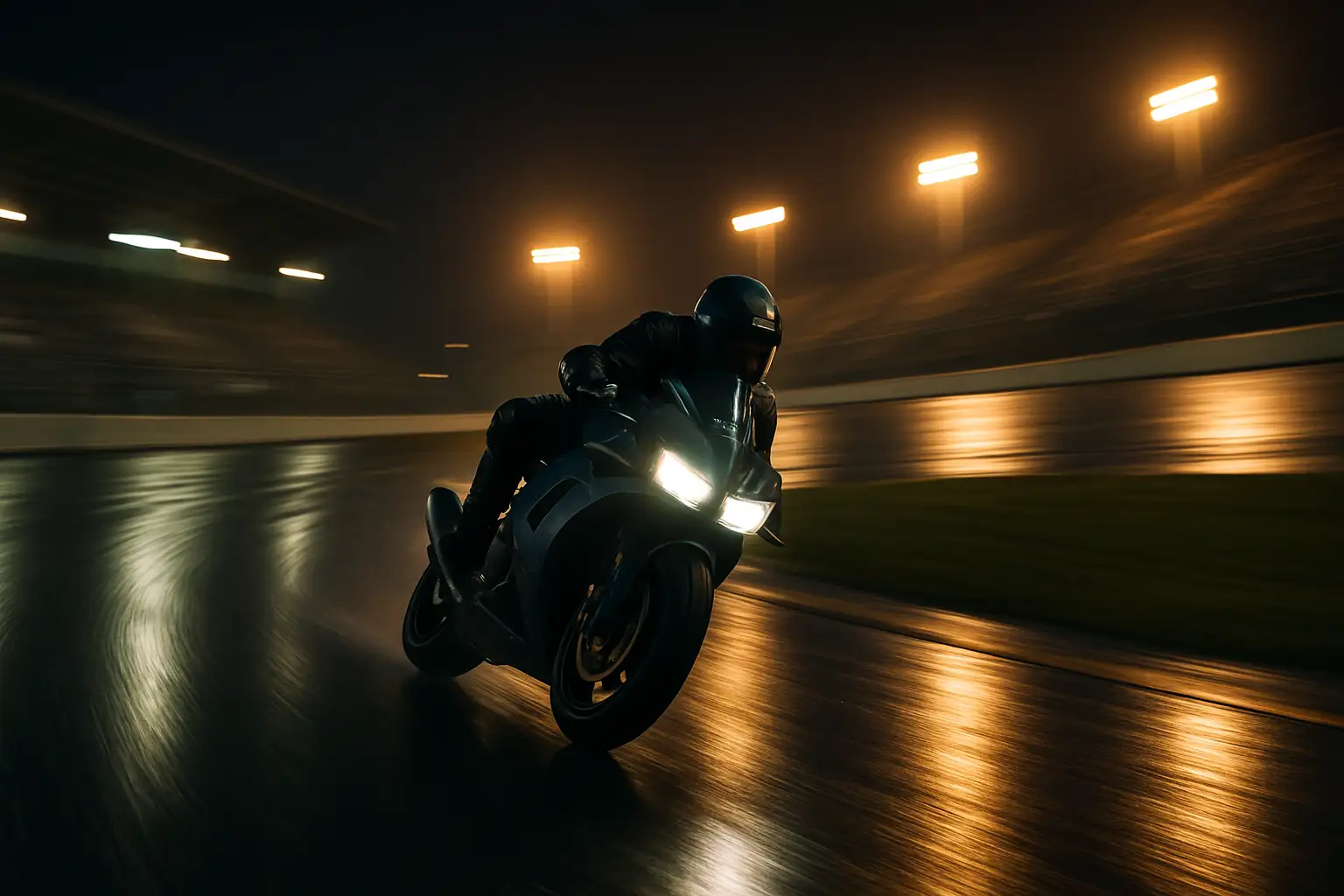
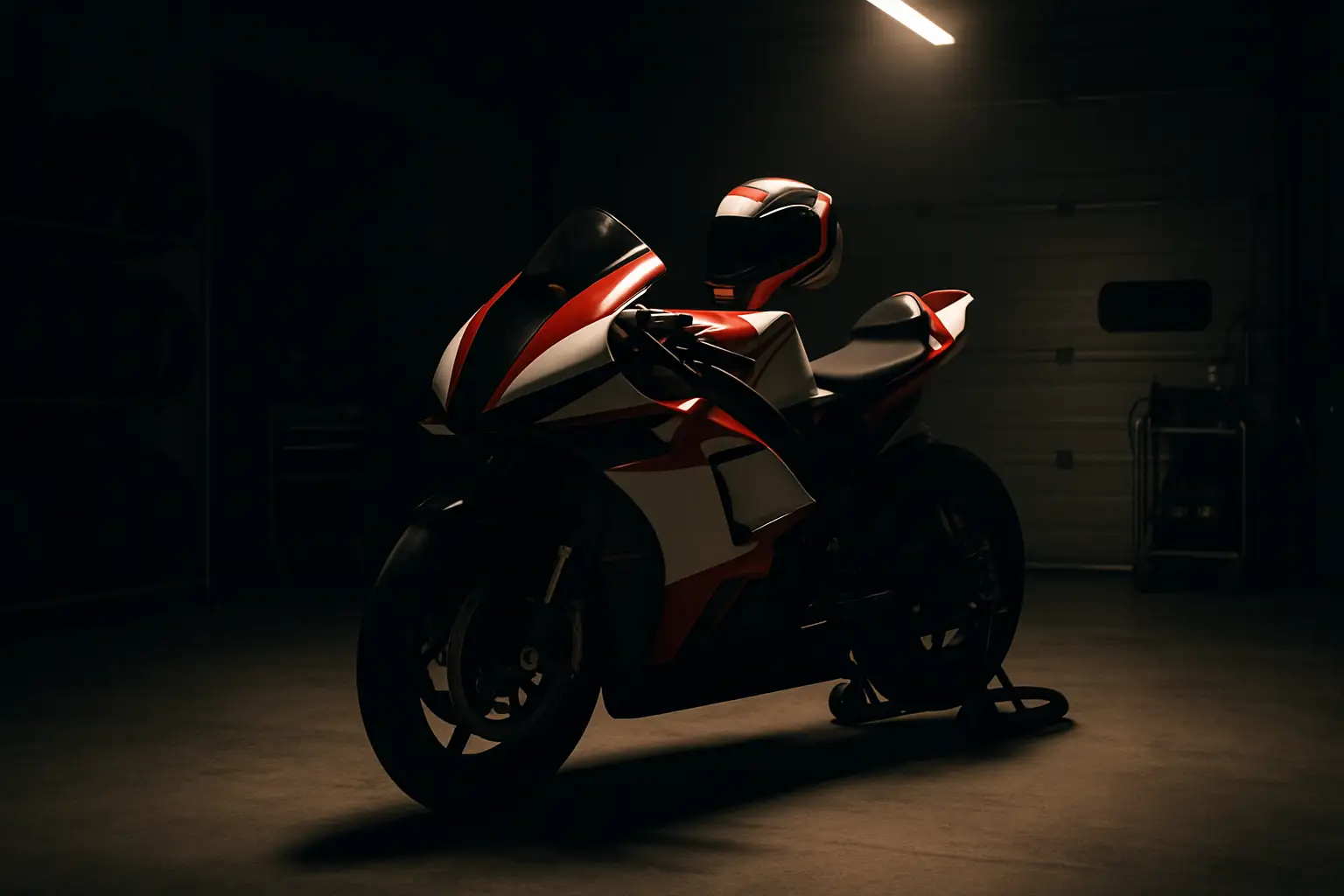
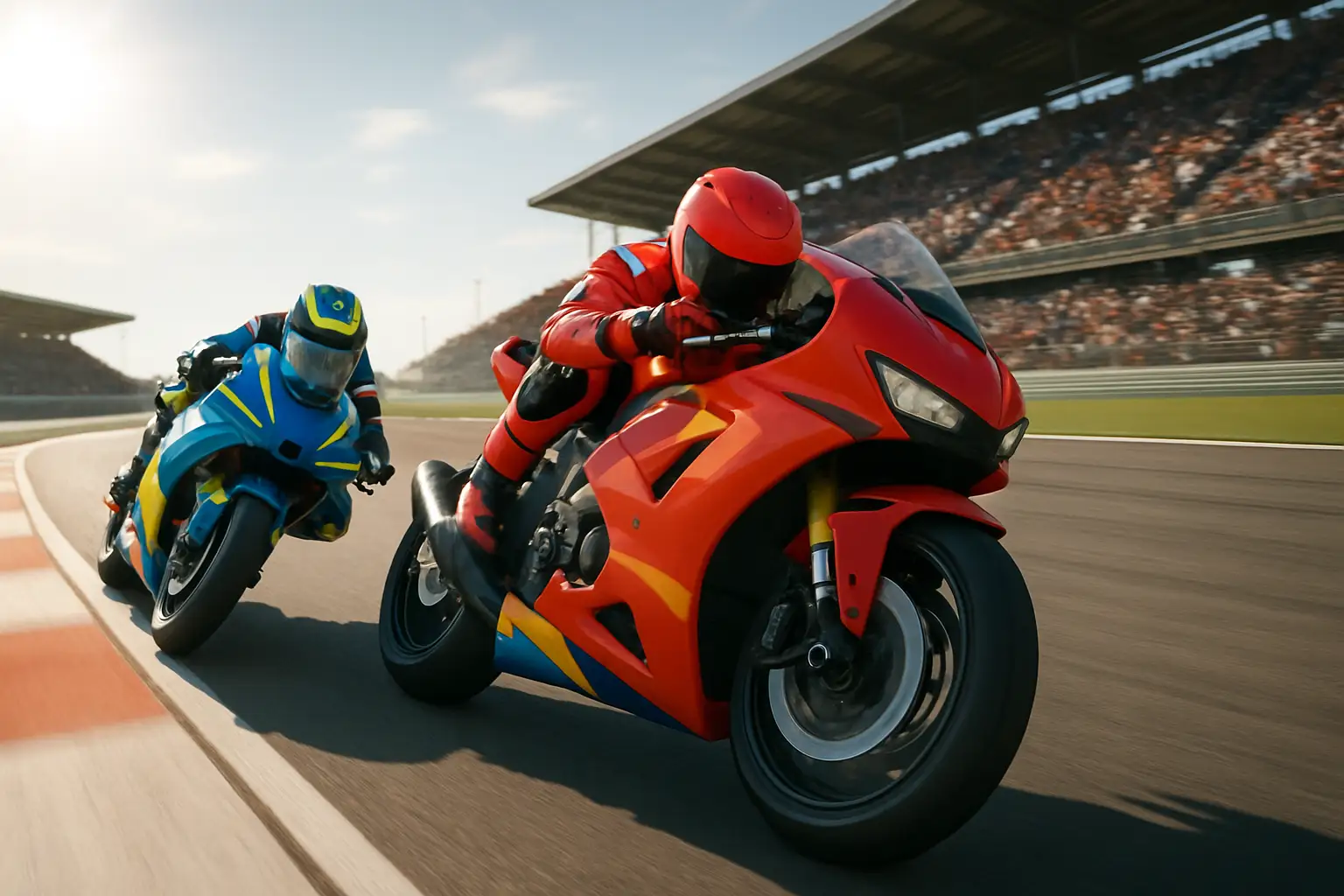
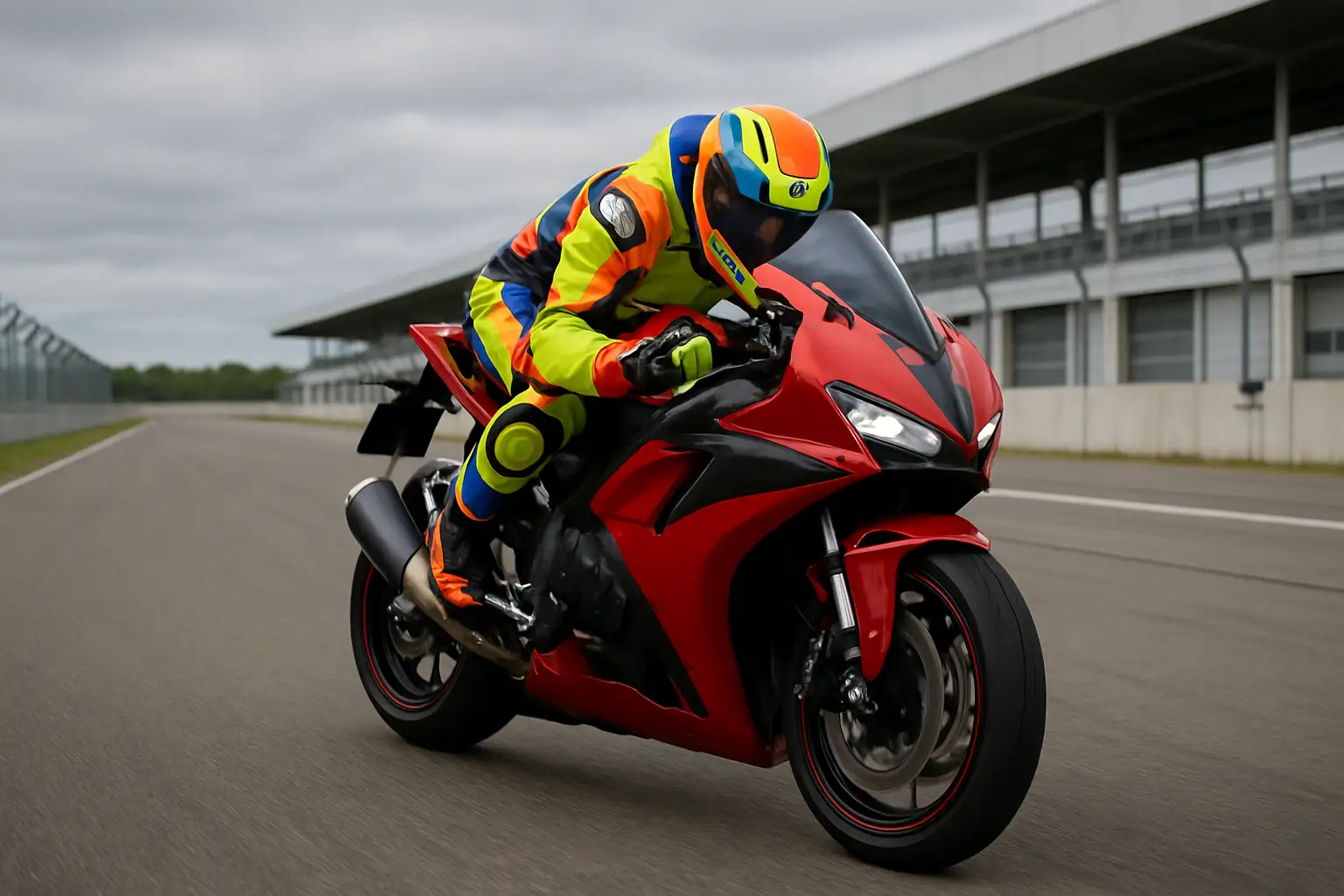
Photographers at a recent unbroadcast MotoGP test were quick to notice distinctive visual details on the 2027 prototype machines, offering early clues about next-generation bike design.
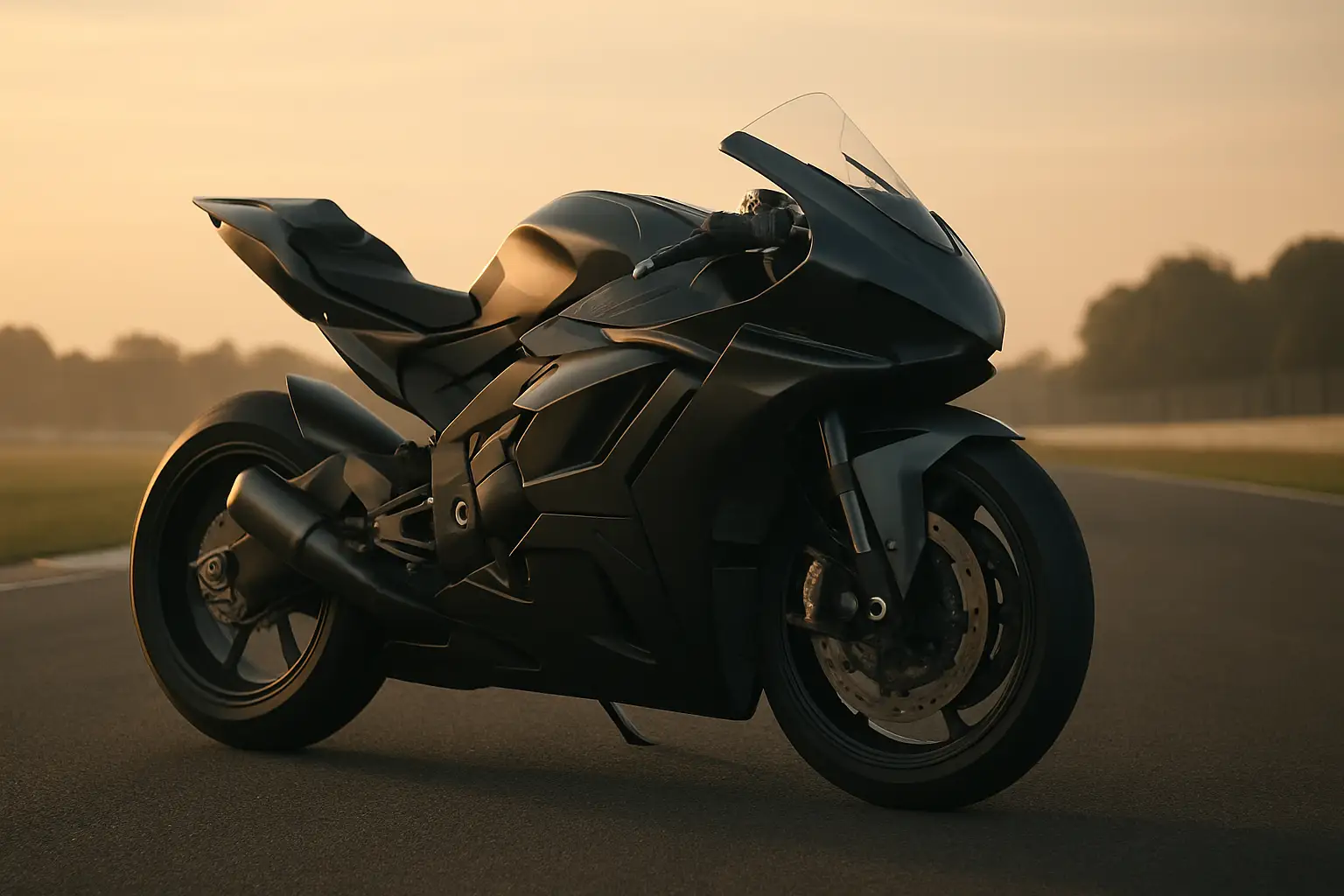


The 2027 MotoGP bikes turned heads almost immediately at a recent closed-door test session, and it was the photographers on the ground, not the TV cameras, who first flagged what made the prototypes stand out. According to reporting from MotoGP News, lenspeople working the unbroadcast test picked up on clear visual differences between the new generation machines and the current 2024-spec bikes they have spent years shooting.
These early prototype tests are rarely open to broadcast crews, which means photographers and accredited media often get the first unfiltered look at where the machinery is heading. Their trained eyes, used to framing MotoGP bikes from every conceivable angle, are well placed to spot even subtle changes in bodywork, aerodynamic packaging, or overall silhouette.
Aerodynamic Shapes Drew Immediate Attention
The first thing photographers reportedly noticed was the aerodynamic profile of the 2027 machines. The overall bodywork appeared noticeably different from current-generation bikes, suggesting that the regulatory reset planned for 2027 is already pushing manufacturers toward fresh design philosophies. MotoGP's technical rules for 2027 are set to introduce significant changes, including a shift away from seamless gearboxes and revised engine specifications, which in turn affects how teams package the mechanical components and route cooling and aerodynamic elements around them.
With those mechanical changes come visual ones. Bikes built around a different engine format and revised technical constraints tend to look meaningfully different from the outside, and that appears to be exactly what photographers observed during the test. The prototype silhouettes were distinct enough that even a quick glance through a telephoto lens registered the departure from the familiar 2024 look.
Why Unbroadcast Tests Matter for Early Intelligence
Closed tests without broadcast coverage occupy an important space in MotoGP's calendar. Teams use them to gather data without handing rivals the benefit of televised footage that can be slowed down, analyzed, and broken apart frame by frame. At the same time, photographers present at such sessions are working under strict agreements about what can be published and when.
That makes the observations of those photographers, even shared informally or reported secondhand, a relatively rare window into where the sport is heading. When multiple camera operators independently notice the same visual shift on a new bike, it carries more weight than speculation alone.
The 2027 rule changes have been in discussion within the MotoGP paddock for some time. Dorna Sports and the manufacturers have been working through a framework intended to reduce costs, encourage new entrants, and reset a technical playing field that some felt had become too dominated by incremental aerodynamic refinement. The visual differences noted at this test suggest at least some of those regulatory intentions are translating into real hardware.
What Comes Next for the 2027 Development Cycle
Prototype testing at this stage is still exploratory. Manufacturers are not yet locked into final configurations, and what photographers saw represents early-stage engineering rather than a finished race machine. Components get revised, bodywork panels get reshaped, and aerodynamic packages often change substantially between initial concept testing and the bikes that actually line up on a grid.
Still, the fact that teams are already running physical prototypes far enough along to be taken to a track is itself significant. It indicates that the major manufacturers are taking the 2027 deadline seriously and have moved beyond pure simulation and wind tunnel work into real-world testing cycles.
For fans and analysts, these glimpses, filtered through the observations of photographers rather than broadcast footage, are an early sign of what MotoGP could look like in three years. The full picture will take time to emerge, but the people pointing cameras at these bikes for a living noticed something worth paying attention to.


MotoGP Correspondent
Luca Moretti is 21.fun's MotoGP correspondent, following the championship from free practice to the podium with an eye for race strategy and tech.