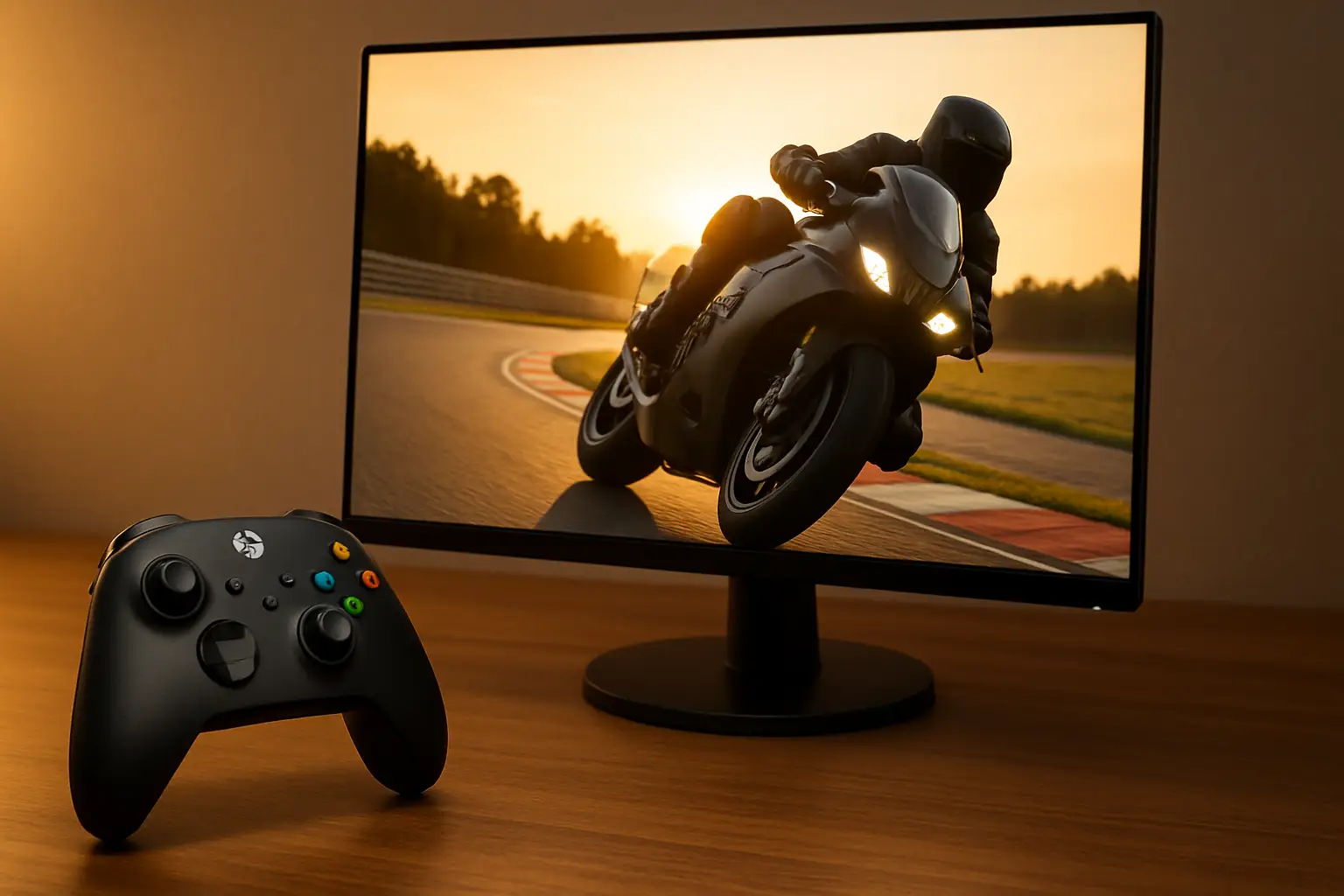
MotoGP vs F1 at Silverstone: Which Series Is Actually Faster?
When MotoGP bikes and F1 cars share the same track, the speed debate gets serious. Here is how the two series stack up at Silverstone.


The Question Every Motorsport Fan Argues About
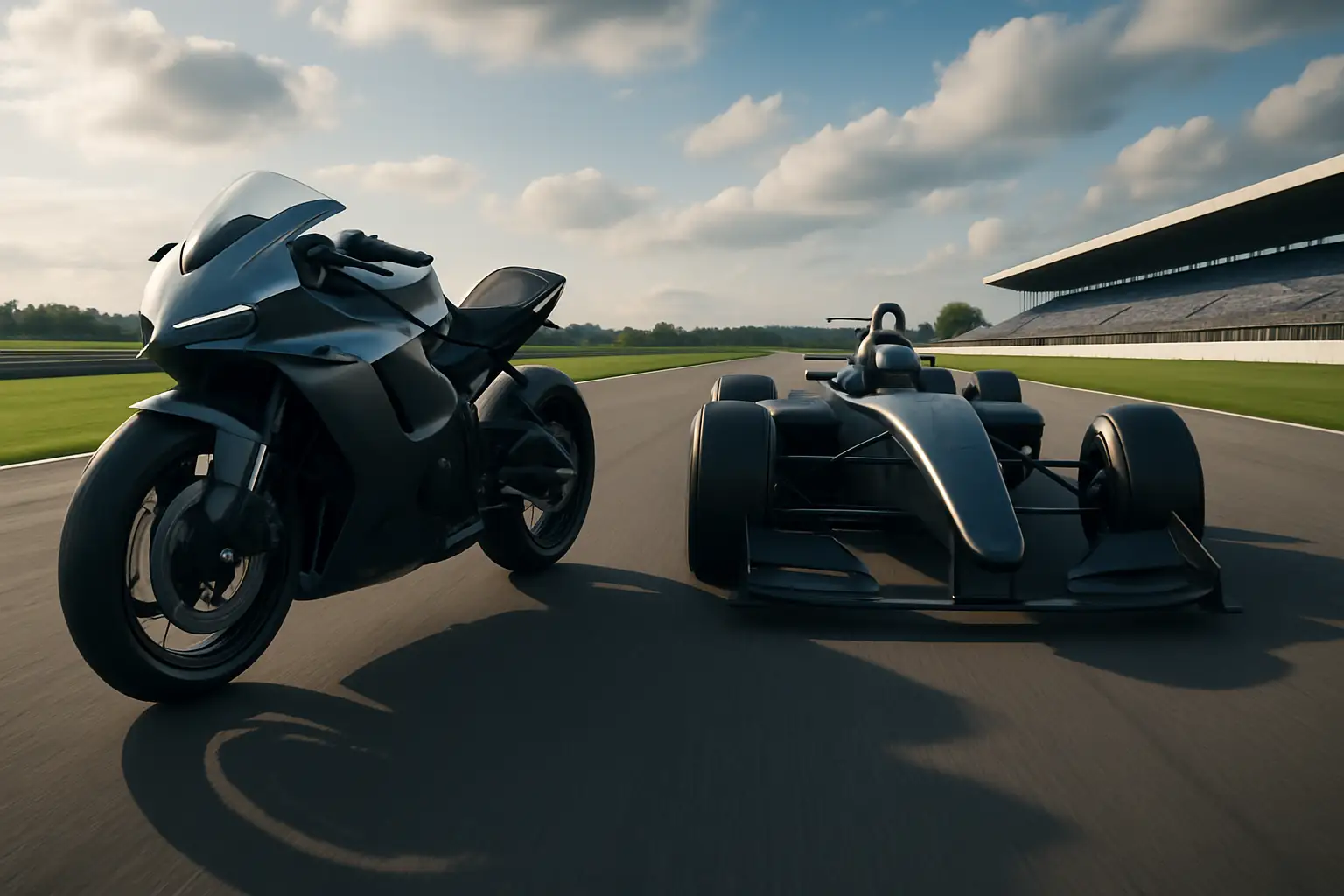
MotoGP vs F1 speed at Silverstone is one of those debates that never quite settles. Both series race at the famous British circuit, and both produce lap times that look extraordinary on paper. But comparing them directly is more complicated than pulling two numbers from a timing sheet.
Autohebdof1.com recently revisited the question, putting the lap records and performance data from both championships side by side at Silverstone. The findings highlight just how different the two machines are, even when they share the same asphalt.
What the Lap Times Actually Show
Formula 1 cars hold a clear advantage in outright lap time at Silverstone. The current F1 circuit layout has seen qualifying laps dip below the 1 minute 24 second barrier in recent seasons, driven by high-downforce setups, sticky compound tyres, and power units producing well over 1,000 horsepower in hybrid mode.
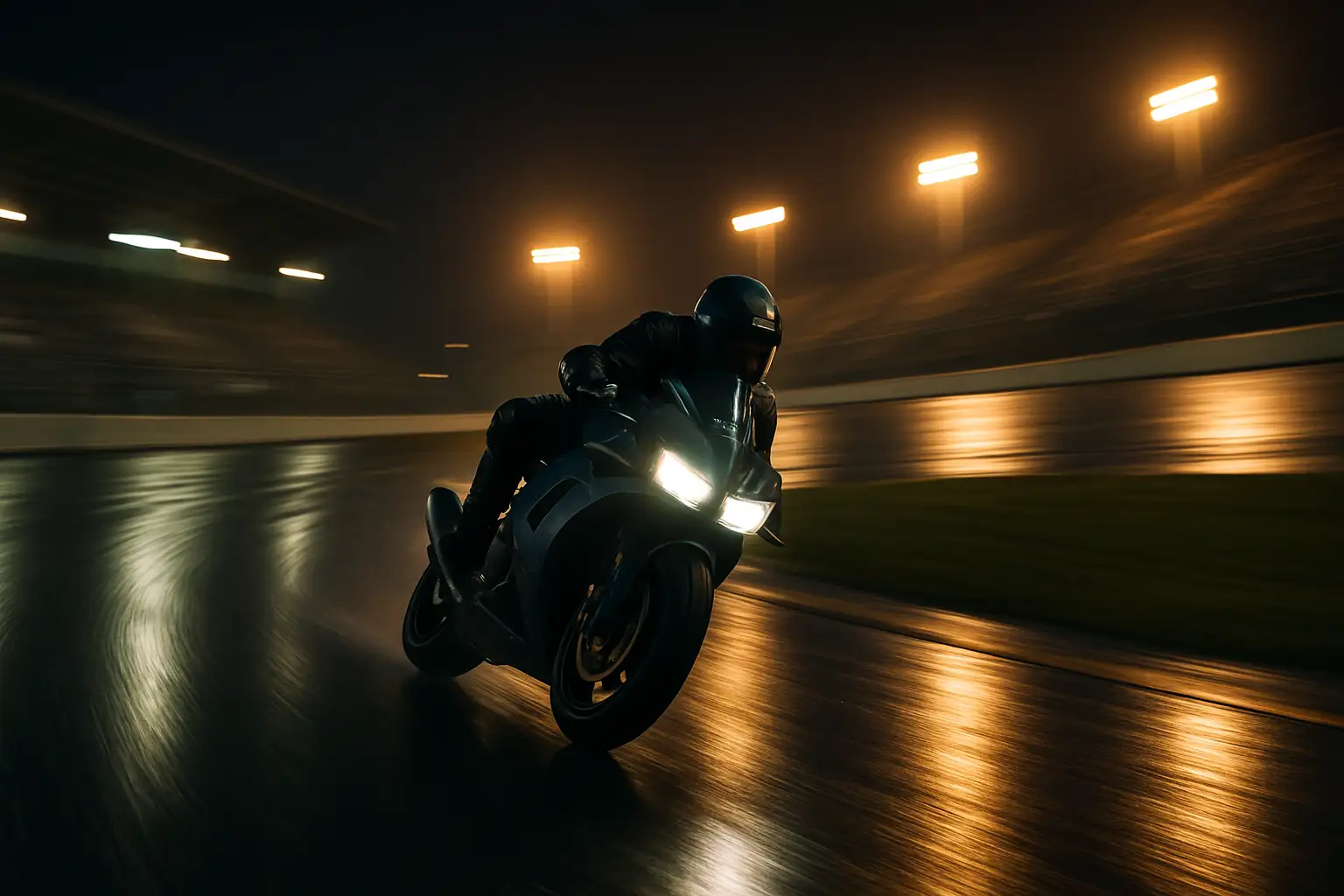
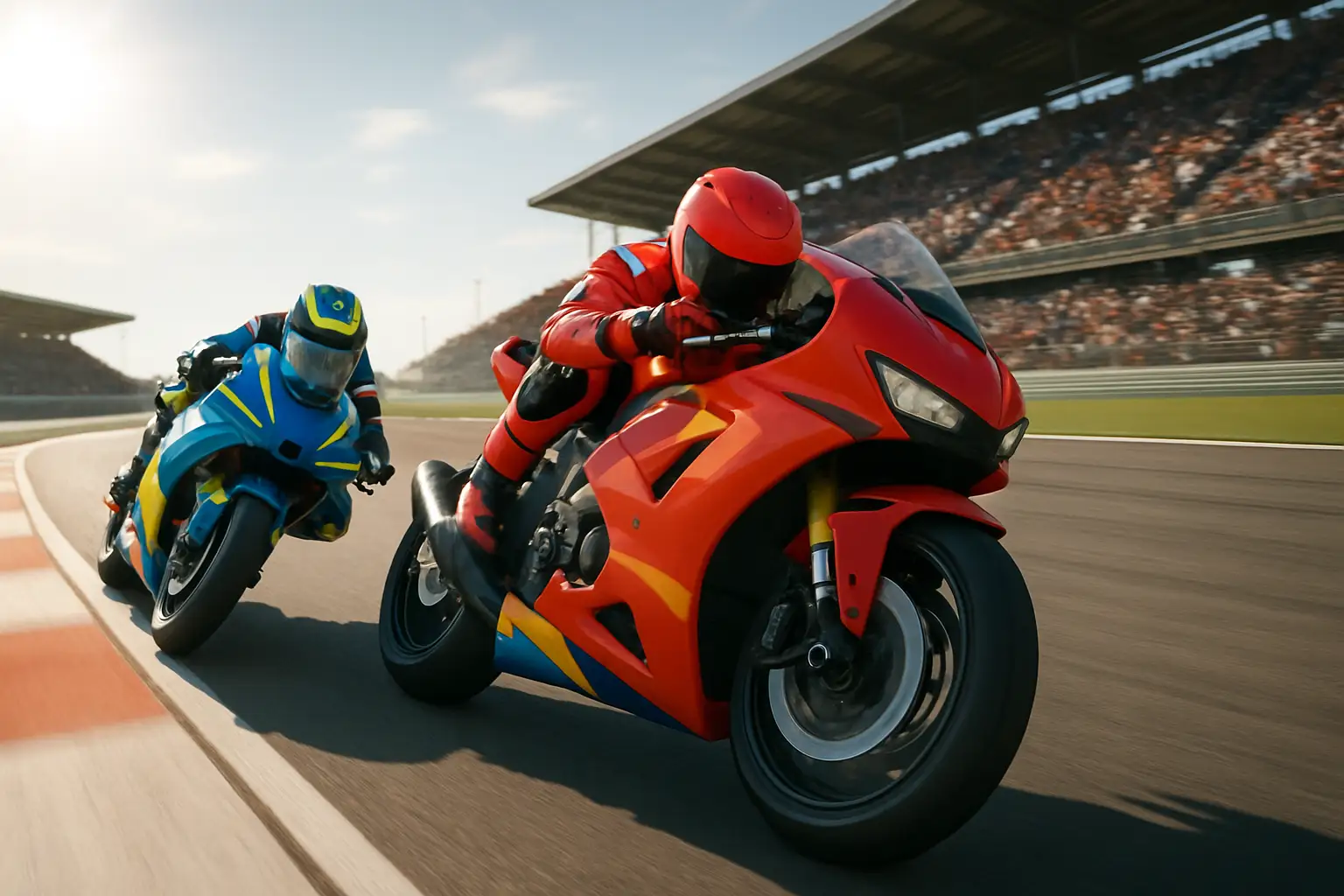
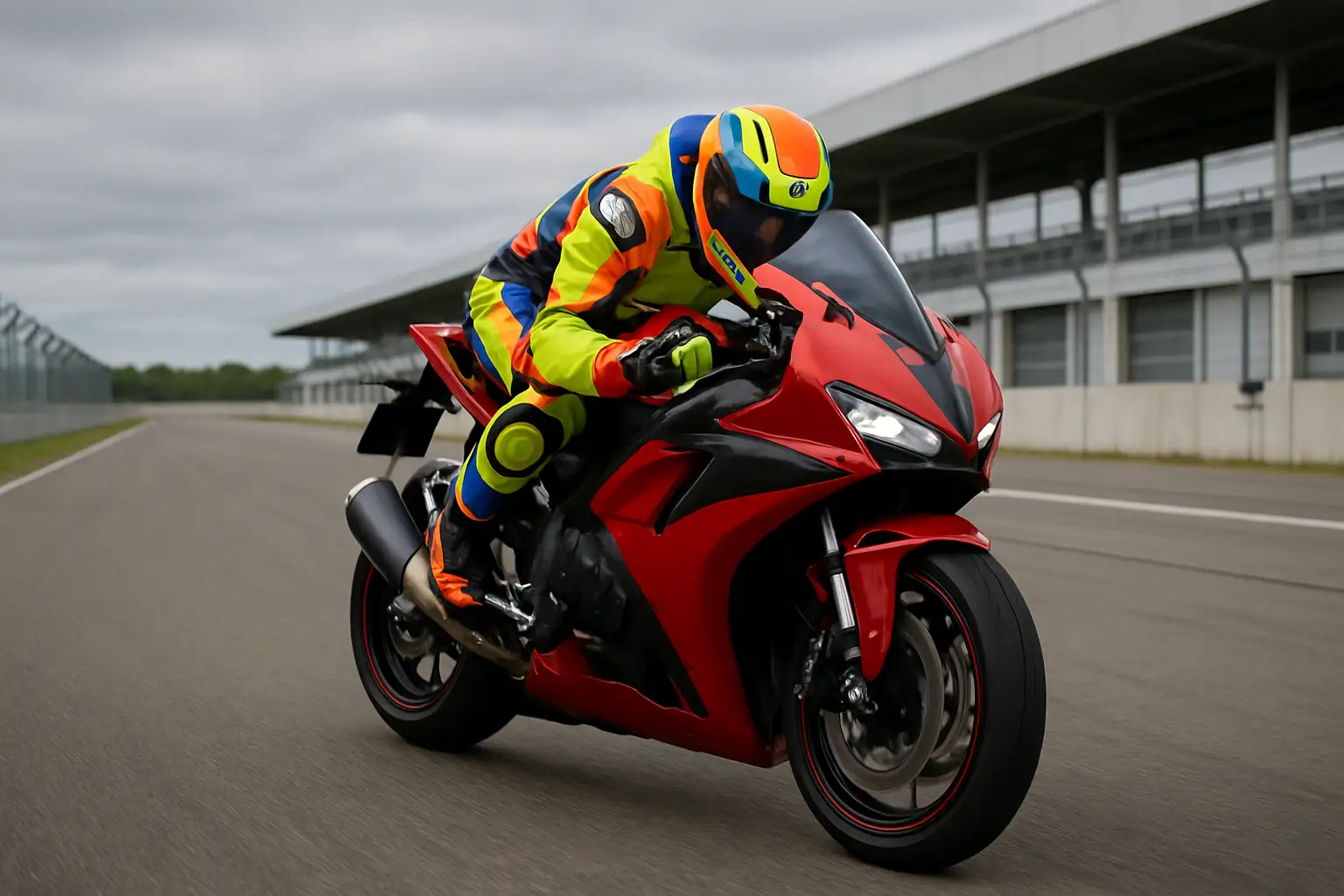
MotoGP machines, by contrast, complete the Silverstone layout in times roughly 10 to 15 seconds slower than a top F1 qualifying lap. That gap sounds large, but context matters. A MotoGP prototype is balancing on two wheels, with the rider shifting their body weight through every corner to keep the bike stable. The physics involved are simply not comparable to a four-wheeled car planted to the road by aerodynamic downforce.
Top speed tells a slightly different story. MotoGP bikes regularly exceed 300 km/h on fast circuits, and Silverstone's Hangar Straight gives them room to stretch. F1 cars reach similar or higher top speeds at Silverstone, but they also carry the benefit of drag-reduction systems that temporarily cut rear-wing resistance on designated straights.
Why Direct Comparison Is Misleading
The core issue is that F1 and MotoGP are optimized for entirely different physical constraints. An F1 car generates enormous lateral grip through its aerodynamic package, allowing corner speeds that would be physically impossible on a motorcycle. A rider cannot lean into a corner at the same g-forces a belted-in F1 driver can sustain.
MotoGP bikes make up some ground through acceleration and braking agility. The lighter overall weight of a prototype motorcycle, around 157 kilograms with the rider excluded from that figure, means braking distances can be remarkably short. Riders regularly brake deep into corners in ways that heavier cars cannot replicate.
Track configuration also plays a role. Silverstone has been modified over the years, and the current Grand Prix layout used by both series shares most of the same corners but not always identical chicane configurations or pit lane arrangements. Any lap time comparison needs to account for whether both series are using exactly the same layout at the time records were set.
Silverstone as a Benchmark for Both Sports
What makes Silverstone a useful comparison point is its mix of high-speed sweepers and tighter technical sections. Corners like Copse, Maggotts, and Becketts demand commitment at speed, while the Vale and Club complex test braking and traction. Both a MotoGP bike and an F1 car are pushed across a wide range of demands at this circuit.
For spectators, Silverstone also offers a rare chance to watch both championships race in the same calendar year, making the speed debate feel tangible rather than theoretical. The British MotoGP and British Grand Prix attract large crowds, and the track's wide-open layout makes high speeds visible from the grandstands.
The honest answer to the speed question is that F1 is faster around Silverstone in lap time terms. The reasons behind that gap, though, say as much about engineering philosophy and physics as they do about raw performance. Calling one series superior to the other based on lap times alone misses what makes each of them remarkable in its own right.


MotoGP Correspondent
Luca Moretti is 21.fun's MotoGP correspondent, following the championship from free practice to the podium with an eye for race strategy and tech.