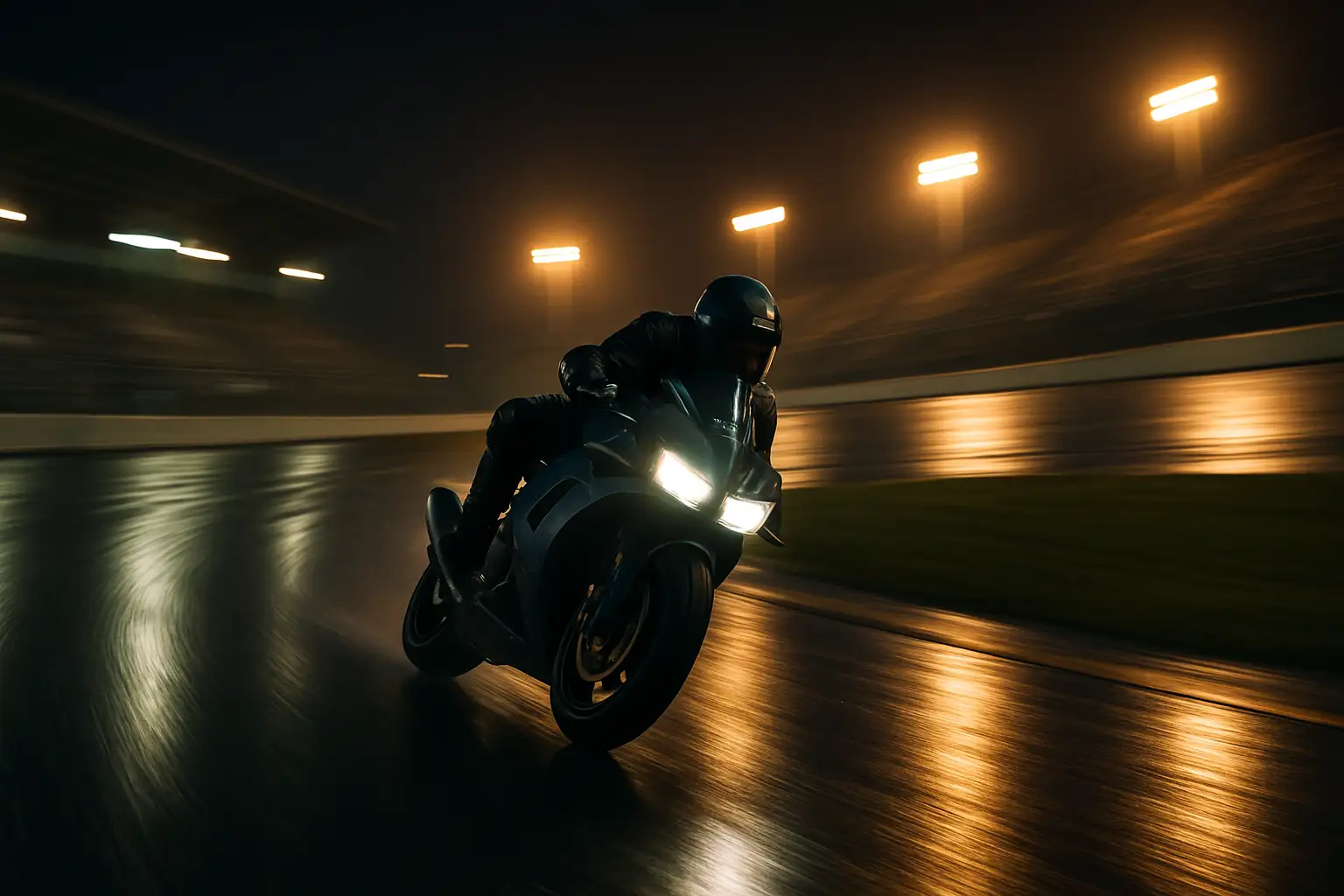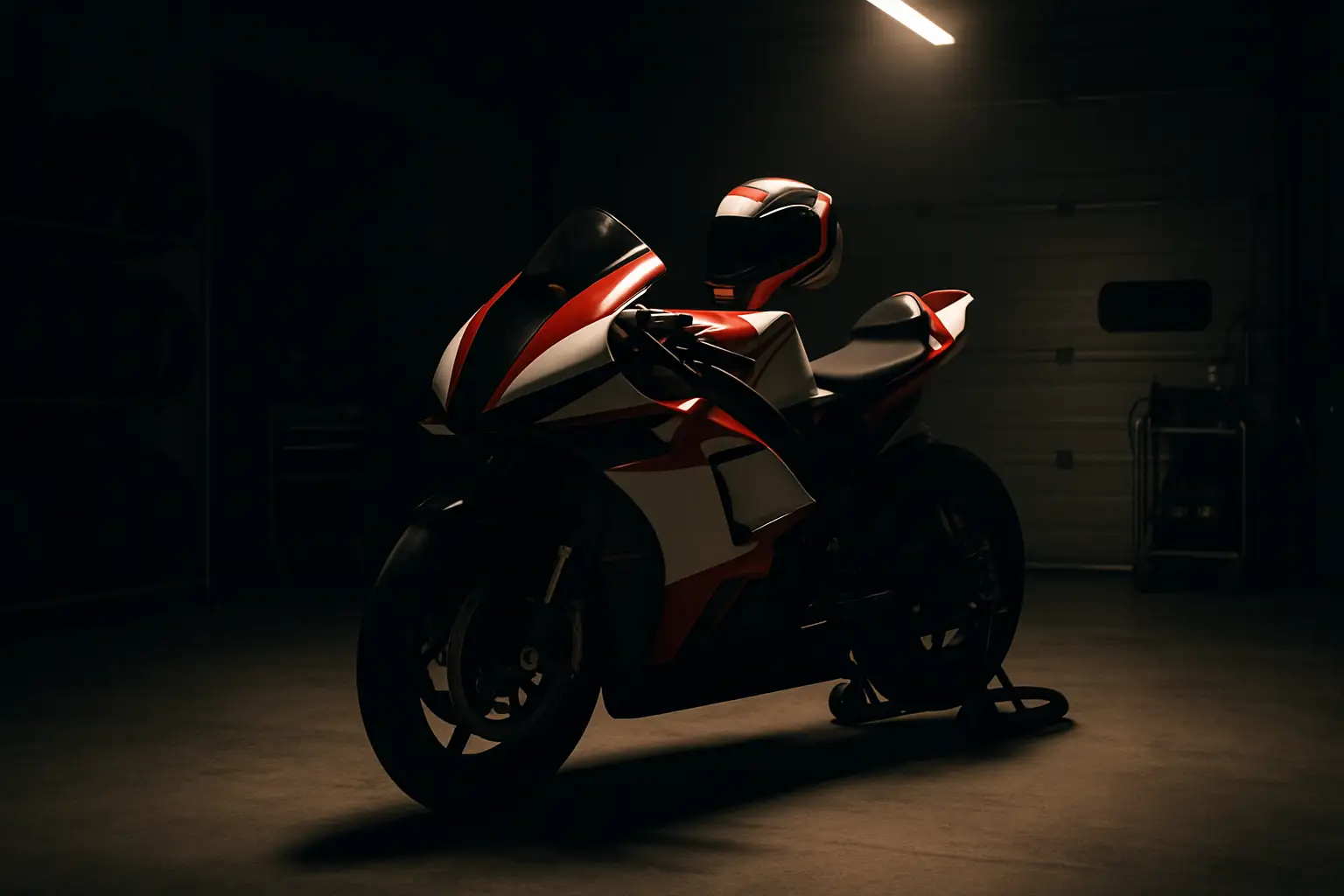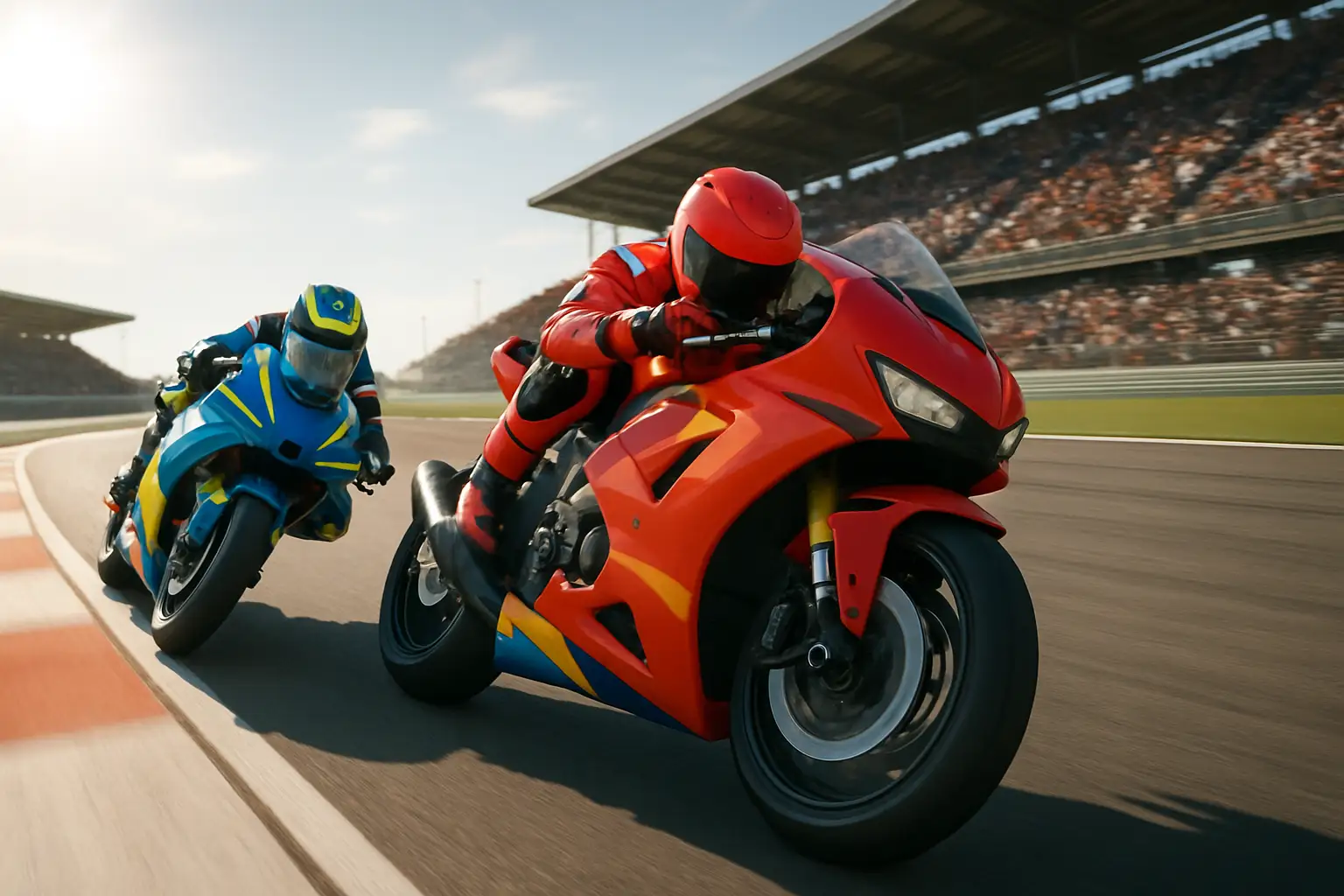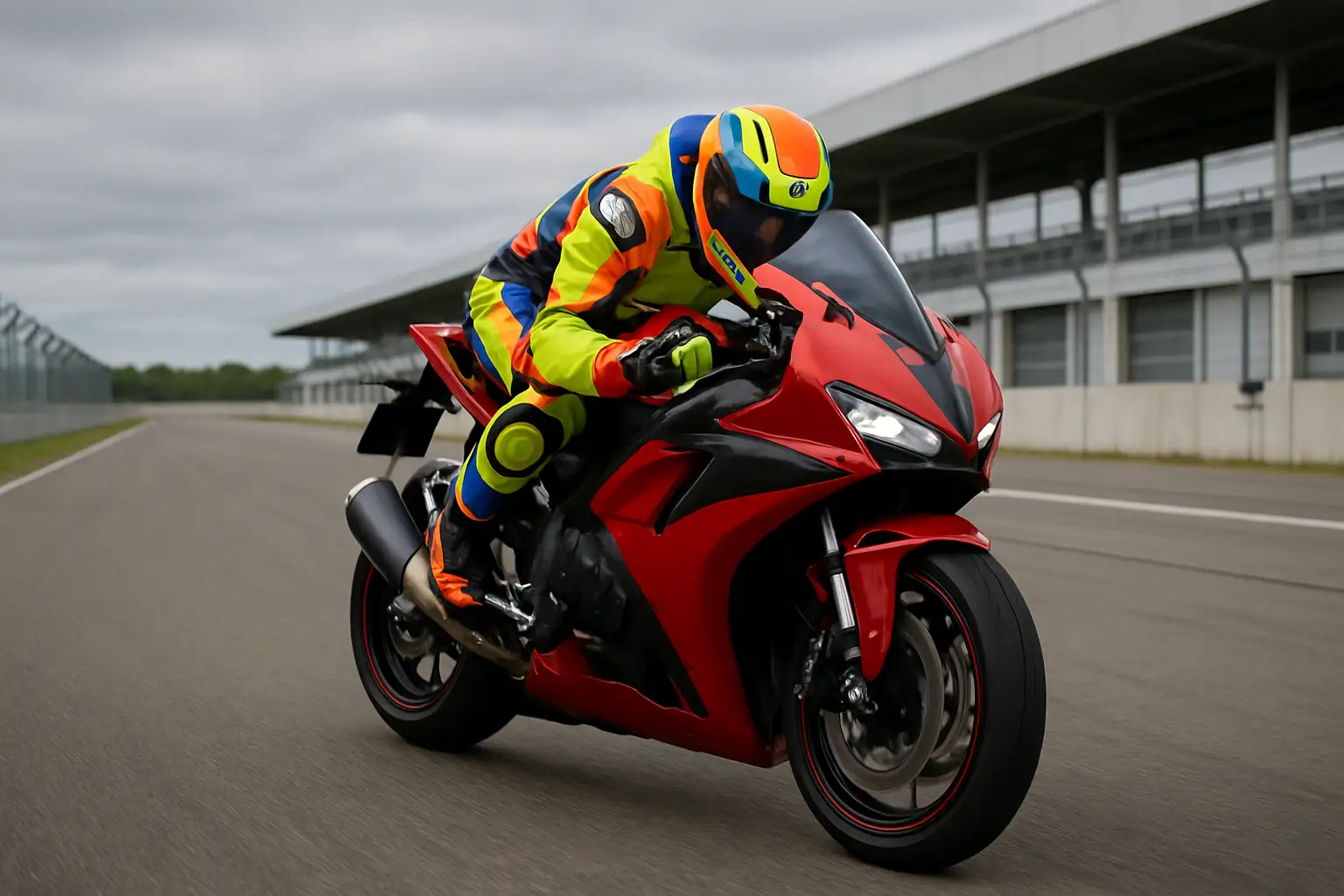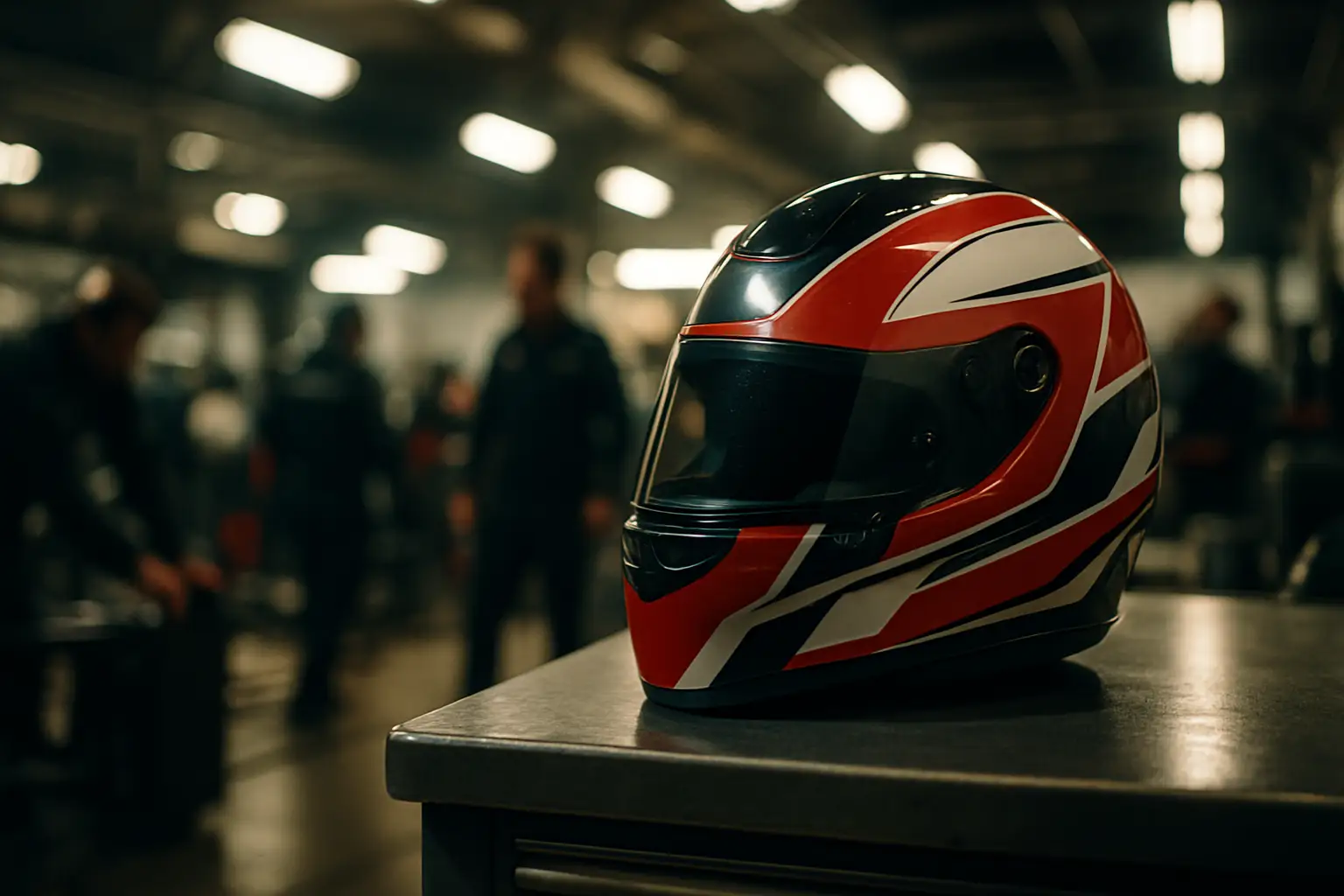
Nakagami and Honda Turn Heads at Mugello with the RC213V-RS 850
Takaaki Nakagami and Honda raised eyebrows in the MotoGP paddock at Mugello, rolling out a machine that caught rivals and observers off guard.
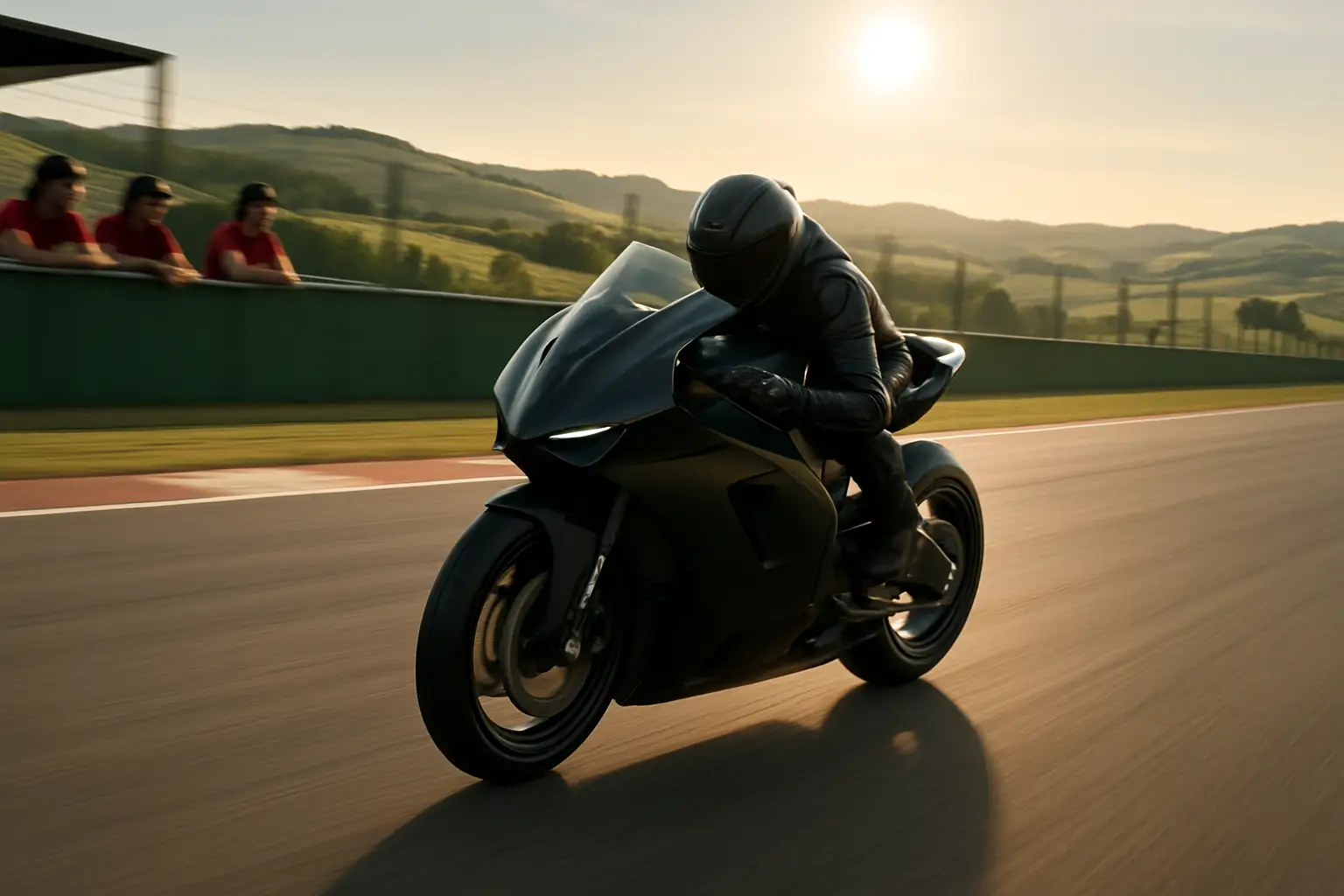


Honda's Unexpected Move at Mugello
MotoGP rarely lacks for surprises, but Honda and Takaaki Nakagami managed to generate genuine paddock buzz at the Mugello circuit by appearing with what is being referred to as the 850. According to original reporting by GPOne.com, the combination caught rivals and spectators off guard at a track known for placing a premium on top-end power and aerodynamic efficiency.
Honda has spent much of the recent MotoGP calendar fighting to claw back competitiveness after a difficult run of results. The Japanese manufacturer's decision to field an unconventional specification at one of the season's most demanding venues signals that the engineering team is willing to experiment rather than stand pat.
Nakagami, who has been one of Honda's most consistent data-gathering riders in recent seasons, was the man tasked with putting the machine through its paces. His presence on the project is no coincidence. The Japanese rider has built a reputation for detailed technical feedback, making him a reliable test asset for the factory.
What the 850 Means for Honda's Development Path
The specific designation "850" points to a configuration that differs from the standard RC213V setup that Honda has been running. While the full technical details have not been officially confirmed by HRC, the appearance of the machine at Mugello is significant in itself. Mugello's long straight and sweeping corners make it a useful proving ground for evaluating both outright speed and chassis stability under load.
For a manufacturer that has been searching for answers, bringing an alternative specification to a high-profile venue rather than restricting it to private testing suggests some level of internal confidence in the direction. It also puts the concept in front of the entire paddock, which adds a layer of psychological weight to the move.
The timing is notable. With the MotoGP calendar moving at its usual relentless pace, any meaningful data gathered at Mugello can feed directly into development decisions for the rounds that follow. Honda cannot afford to lose further ground to Ducati, Aprilia, and KTM, all of which have made significant strides in recent years.
Nakagami's Role and the Broader Honda Picture
Nakagami's willingness to take on development duties alongside his race commitments has been a defining feature of his time with the LCR Honda satellite squad. Riding a different specification from teammates or factory riders is not a straightforward task. It requires the ability to isolate variables and communicate findings clearly under race-weekend pressure.
The surprise factor at Mugello should not be understated. When a manufacturer arrives with a visibly different package at a Grand Prix weekend without prior public indication, it tends to suggest that internal timelines have accelerated or that a specific problem is being targeted with urgency.
Honda's management has publicly acknowledged the scale of the challenge facing the brand. Getting back to the front of the MotoGP grid requires both time and bold decisions. The 850 project, whatever its final form, appears to be one of those decisions.
Whether the configuration seen at Mugello translates into a competitive update for the remainder of the season remains to be seen. But the willingness to bring it to one of Italy's most iconic circuits, in front of a packed crowd and a watchful paddock, indicates that Honda is not simply waiting for a solution to arrive. They are actively chasing one.


MotoGP Correspondent
Luca Moretti is 21.fun's MotoGP correspondent, following the championship from free practice to the podium with an eye for race strategy and tech.