Randy Mamola on How Modern MotoGP Tech Changed Riding Forever
Former MotoGP star Randy Mamola says advances in bike technology have fundamentally transformed how riders approach racing, making the modern era unrecognizable.


A Legend's View on MotoGP's Technical Revolution
Randy Mamola, one of the most recognizable names from grand prix motorcycle racing's earlier era, has spoken candidly about how modern MotoGP bikes and the technology behind them have permanently altered what it means to ride at the highest level. His comments, reported by Dailyhunt, offer a rare perspective from someone who competed in a time when rider feel and raw mechanical skill were the primary tools available.
Mamola, who raced through the 1980s and challenged for the world championship on multiple occasions, argues that the gap between his generation and today's riders is not simply a matter of speed. The machines themselves, and the systems controlling them, have redefined the relationship between man and motorcycle.
Electronics Replaced Instinct on the Track
In the modern MotoGP paddock, rider aids such as traction control, seamless-shift gearboxes, anti-wheelie systems, and sophisticated electronics packages do a significant amount of work that past riders had to handle manually. Mamola's view is that these systems have changed riding technique at a fundamental level, not just made it safer or faster.
In earlier decades, throttle control coming out of a corner was entirely the rider's responsibility. Getting that wrong meant a crash. Today, layers of software intervene between a rider's inputs and what the rear wheel actually does. That changes how a rider thinks, how they commit to a corner exit, and how they build confidence on a new circuit or with a new bike.
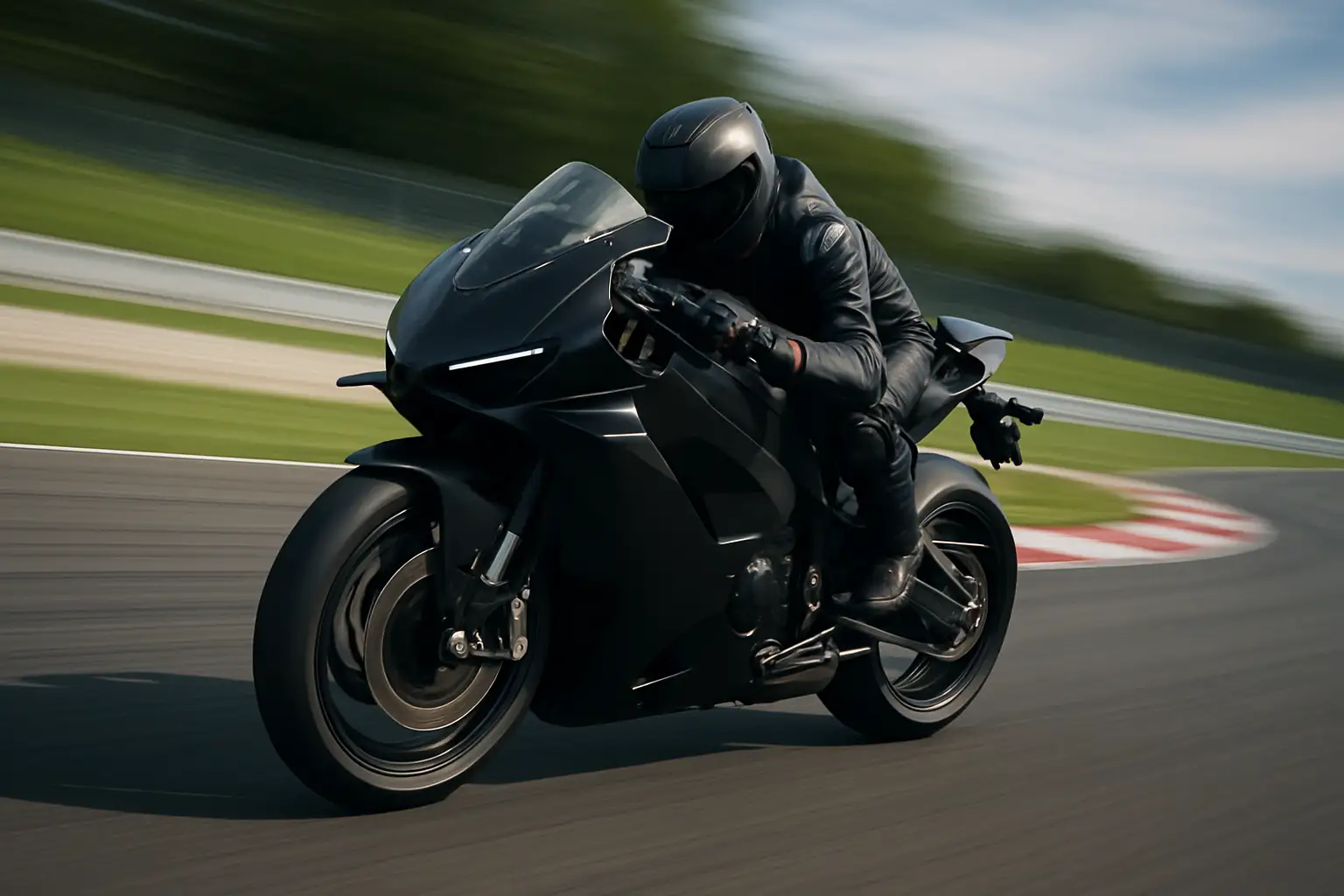
The physical demands have also shifted. Modern MotoGP machines produce around 300 horsepower and reach speeds above 350 km/h. The aerodynamic downforce generated by current bodywork, featuring winglets and complex fairing designs, means riders must contend with forces that simply did not exist on two-wheelers a generation ago. Bodies are loaded differently, braking references have changed, and corner entry speeds that would have been unthinkable are now routine.
Setup Complexity Has Grown Enormously
Another dimension Mamola touches on is the sheer complexity of setup. In his racing days, a team's technical conversation before a session revolved around suspension settings, tire choice, and gearing. Today, engineers and riders work through data from dozens of sensors, adjusting engine maps, fuel delivery curves, and electronic braking bias between sessions.
This creates a different kind of rider. Success in modern MotoGP still requires exceptional physical ability and raw talent, but it also requires a rider who can process detailed technical feedback and communicate it precisely to a large engineering team. The feedback loop between rider and machine is more sophisticated than anything that existed when Mamola was lining up on the grid.
For fans watching today, that complexity is largely invisible. The racing looks spectacular, with riders like the current generation pushing lap records further. But according to Mamola, what they are doing on the bike, how they are doing it, and what their bodies and minds are managing corner by corner bears only a surface resemblance to grand prix racing of the 1980s.
Why Mamola's Perspective Matters
Voices like Mamola's are valuable precisely because they bridge two very different eras. He raced against Kenny Roberts, Freddie Spencer, and Eddie Lawson on machines that rewarded pure riding ability above almost everything else. That experience gives him a credible reference point for assessing just how far the sport has moved.
His comments are not a criticism of modern racing. They are an acknowledgment that MotoGP, as a technical sport, has evolved in ways that make direct comparison across generations genuinely difficult. A 1980s world champion placed on a current Ducati Desmosedici or Honda RC213V would face a learning curve that goes far beyond riding speed.
The reverse is also true. Strip today's riders of their electronics and aerodynamic packages and ask them to manage 500cc two-stroke power on a chassis from 35 years ago, and the challenge would be equally alien.
What Mamola's comments ultimately highlight is that MotoGP's technical evolution is continuous and irreversible. Every generation of hardware raises the baseline, and riders adapt. The sport looks different, sounds different, and demands something different from its competitors than it did when Mamola was chasing championships. That is not a loss, but it is a transformation worth understanding.


MotoGP Correspondent
Luca Moretti is 21.fun's MotoGP correspondent, following the championship from free practice to the podium with an eye for race strategy and tech.