Spec Series in MotoGP: Equal Machinery at the Cost of Innovation?
A growing debate is questioning whether spec series formats, which standardize machinery across the grid, risk killing engineering creativity in premier motorsport.


Spec Series and the Standardization Question
The debate around spec series in grand prix motorcycle racing is intensifying. At its core, the argument is simple: if every rider on the grid uses identical machinery, competition becomes a purer test of rider talent. But critics are pushing back hard, warning that standardized equipment formats come at a steep price, one measured in lost engineering ingenuity and manufacturer ambition.
Corsedimoto raised the question directly, asking whether the spread of spec series formats represents a genuine step forward for the sport or a slow retreat from what made grand prix racing technically compelling in the first place.
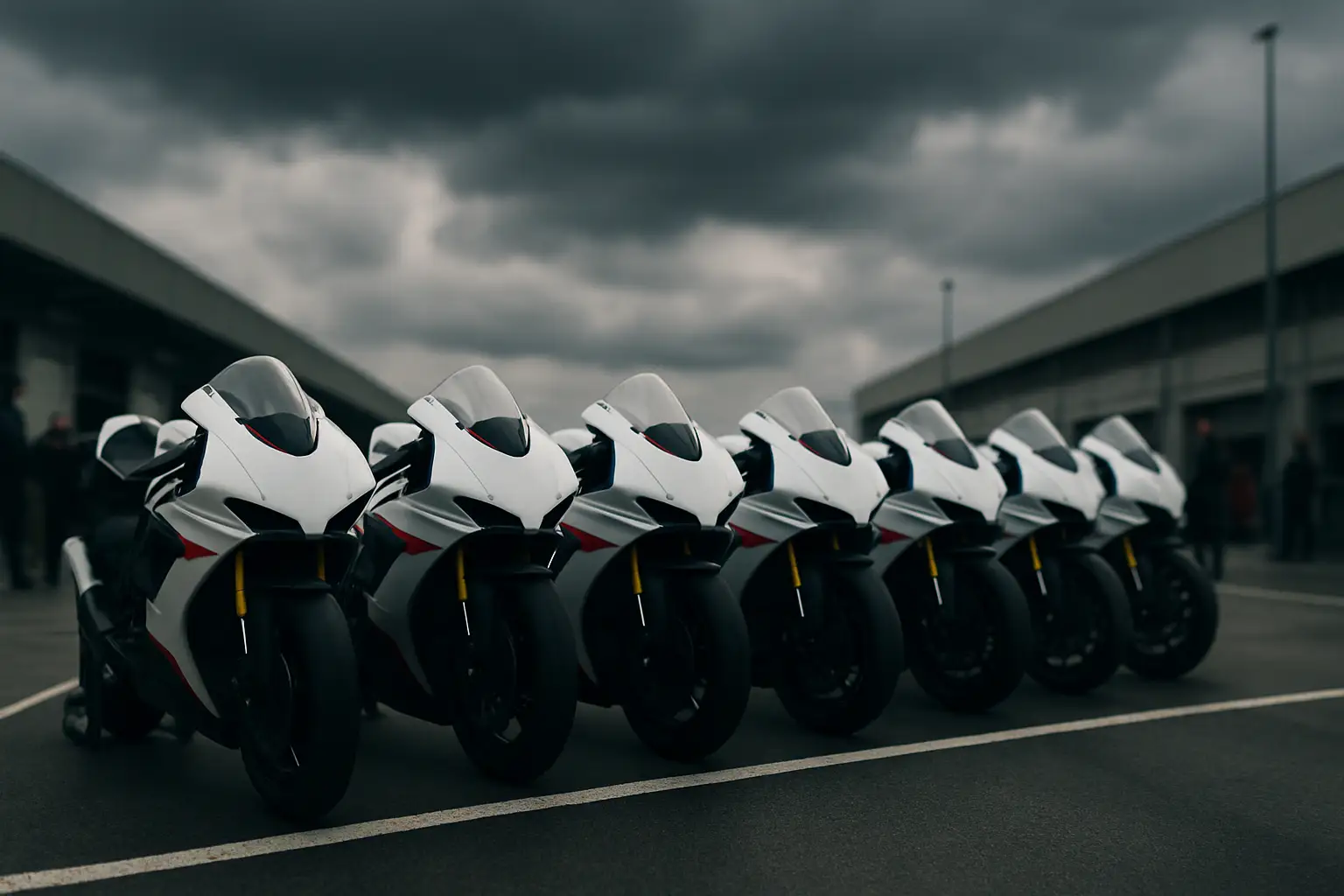
The tension is real and it is not new. Racing series have long wrestled with the balance between competitive equality and technical freedom. Spec formulas solve one problem neatly: they reduce the performance gap caused by unequal budgets and resources. Every team lines up with the same engine, the same chassis, the same electronics. The racing, in theory, gets closer.
But manufacturers do not pour money into motorsport purely for the spectacle. They come to develop technology, to push boundaries, and to bring lessons from the track back to road-going products. A fully standardized formula removes that incentive almost entirely.
What Gets Lost When the Rules Tighten
The history of grand prix motorcycle racing is inseparable from its technical battles. Factories have spent decades competing not just on the track but in the workshop, finding fractions of a second through aerodynamic development, engine architecture, and electronics mapping. That rivalry has produced genuine road-relevant advances.
Spec series compress all of that into a single approved package. Riders still race hard, and the results can be exciting. But the engineering arms race, the part of the sport that keeps manufacturers genuinely invested, largely disappears.
For smaller teams and independent riders, the appeal of spec formats is obvious. Cost controls mean they can compete without needing a factory-level budget. In a paddock where financial disparity has grown dramatically, that argument carries real weight.
The counter-argument is that homogenization, taken too far, risks making the premier class feel like a control series, indistinguishable from the feeder categories below it.
The Broader Implications for Grand Prix Racing
MotoGP currently operates with a hybrid approach. Factory teams run prototype machinery with significant development freedom, while satellite and independent teams access older or concessioned equipment. The system is imperfect but it preserves a technical hierarchy that reflects the sport's history.
A shift toward fuller standardization would flatten that hierarchy. Proponents argue the racing would improve. Opponents say the soul of grand prix racing, rooted in the idea that the best engineers and the best riders together produce the fastest motorcycle, would be compromised.
The Corsedimoto analysis frames it as a question about identity. What is MotoGP supposed to be? A pure rider championship where machinery is neutralized, or a total competition where human skill and engineering excellence combine?
There is no clean answer. The economics of modern motorsport push toward cost control and standardization. Manufacturer involvement, which gives the sport much of its prestige and funding, pulls in the opposite direction. How series organizers and stakeholders manage that tension will shape what grand prix racing looks like over the next decade.
Right now, the spec series model is gaining ground across motorsport broadly. Whether MotoGP follows that trajectory or defends its prototype identity is a question the paddock has not yet fully answered.


MotoGP Correspondent
Luca Moretti is 21.fun's MotoGP correspondent, following the championship from free practice to the podium with an eye for race strategy and tech.