Steiner Says MotoGP Should Learn from F1, Not Imitate It
Former F1 team boss Guenther Steiner says MotoGP can draw lessons from Formula 1's commercial playbook without simply replicating what the car series does.


Steiner Weighs In on MotoGP's Direction
Guenther Steiner, the former Haas Formula 1 team principal who became a household name through the Drive to Survive documentary series, has offered a pointed view on how MotoGP should handle its growth ambitions. According to reporting by Autoweek, Steiner believes the motorcycle racing series can take useful cues from Formula 1's commercial and organizational success, but warns against copying the F1 model outright.
The distinction matters. F1 and MotoGP are different sports with different audiences, different technical DNA, and different competitive structures. Steiner's argument, as reported, is that blind imitation could strip MotoGP of the qualities that make it appealing in the first place.
What MotoGP Can Realistically Take from F1
Formula 1's resurgence over the past decade, driven heavily by Liberty Media's investment in storytelling, digital content, and expanding its calendar into new markets, is hard to ignore. Revenues have climbed, new fans have arrived in significant numbers, and the U.S. market, long resistant to open-wheel racing, has opened up considerably.
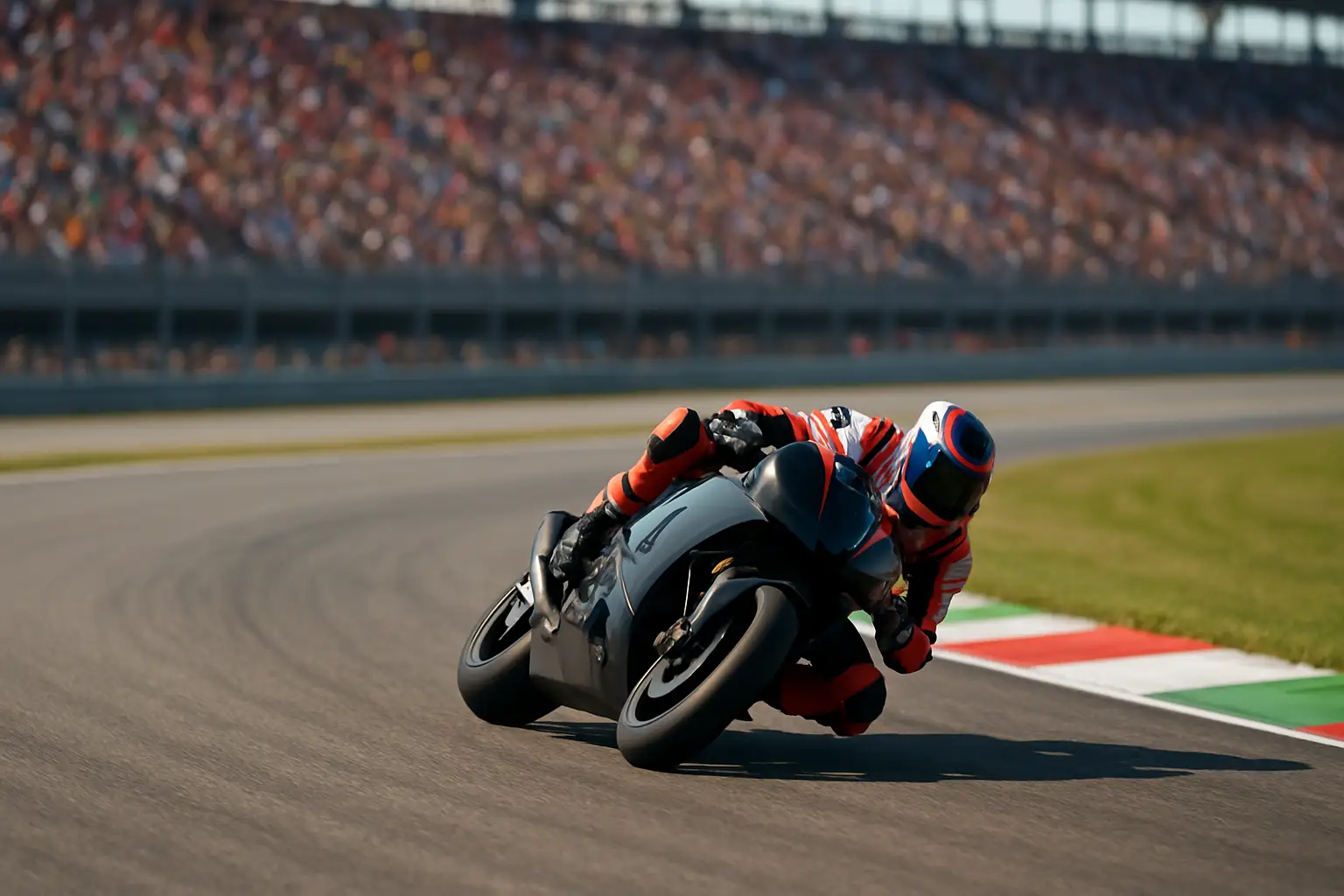
Steiner's point appears to be that MotoGP can study those strategies, particularly around fan engagement and media rights, without trying to become a four-wheeled sport. The core product on track, 20-plus riders separated by fractions of a second, bikes sliding through corners at extreme lean angles, is already compelling. The job is amplifying it, not redesigning it.
MotoGP's own efforts under Dorna Sports have moved in a broadly similar direction. The series has expanded its presence in the Americas, secured new broadcast partnerships, and leaned into short-form content for younger audiences. Steiner's comments suggest that trajectory is sensible, as long as the series stays grounded in what motorcycle racing actually is.
The Risk of Copying Rather Than Learning
There is a real tension in motorsport between chasing mainstream growth and preserving the specific culture that existing fans value. Formula 1 has faced that criticism internally. Some long-term followers argue the sport has been softened or over-produced in the pursuit of new demographics.
MotoGP carries its own identity, one built around rider skill, physical danger, and a relatively close technical playing field compared to F1. The cost structures are lower, the grid is larger, and the racing is often closer. Copying F1's spending levels or its governance complexity could destabilize what MotoGP already does well.
Steiner's framing, learn but do not copy, is a reasonable caution. Organizational lessons around sponsorship packaging, race weekend format, or fan zone experiences can transfer across series. But the fundamental product decisions should be driven by what works for bikes and riders, not by what works for cars.
Why This Perspective Carries Weight
Steiner spent years inside one of F1's smaller, financially stretched teams. That position gave him a ground-level view of both the benefits and the costs of F1's commercial machinery. Smaller operations often struggle to capture the value that the top teams and Liberty Media generate, and the gap between the haves and have-nots inside F1 is a known structural problem.
MotoGP, if it chases F1's model too aggressively, risks accelerating a similar dynamic, where factory teams with manufacturer backing pull further away from independent satellite squads. The balance between factory and independent teams is something Dorna has managed carefully, and outside advice, even well-intentioned advice, needs to account for that.
Steiner's comments, as covered by Autoweek, do not amount to a sweeping critique of MotoGP's current leadership. They read more as a practical note from someone who has watched one series navigate growth and seen where the pressure points emerge. For MotoGP fans and officials alike, that kind of outside perspective is worth considering, even if the sport ultimately charts its own path.


MotoGP Correspondent
Luca Moretti is 21.fun's MotoGP correspondent, following the championship from free practice to the podium with an eye for race strategy and tech.