BitFlow Frame Grabber Drives High-Speed Badminton Tracking Research
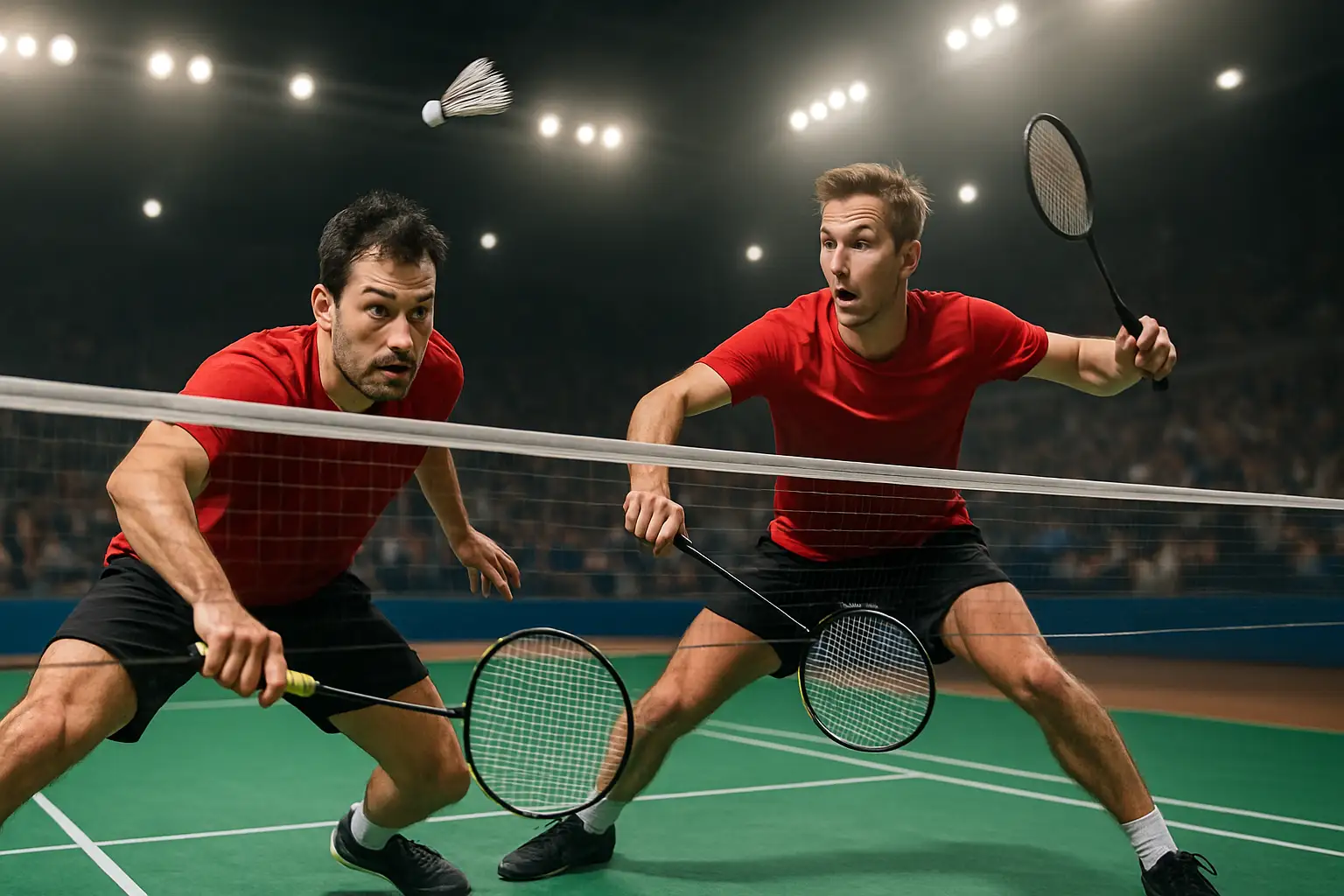
A BitFlow frame grabber is at the heart of new research aimed at tracking badminton shuttlecocks at high speed, offering fresh insight into the sport's fast-moving dynamics.


BitFlow Frame Grabber Takes Center Court in Badminton Science
Badminton is one of the fastest racket sports on the planet, with shuttlecocks reaching speeds that challenge even the sharpest human eye. Researchers looking to capture and analyze that movement with precision are now turning to industrial imaging hardware, and a BitFlow frame grabber has emerged as a key tool in high-speed badminton tracking work, according to reporting by Novus Light.
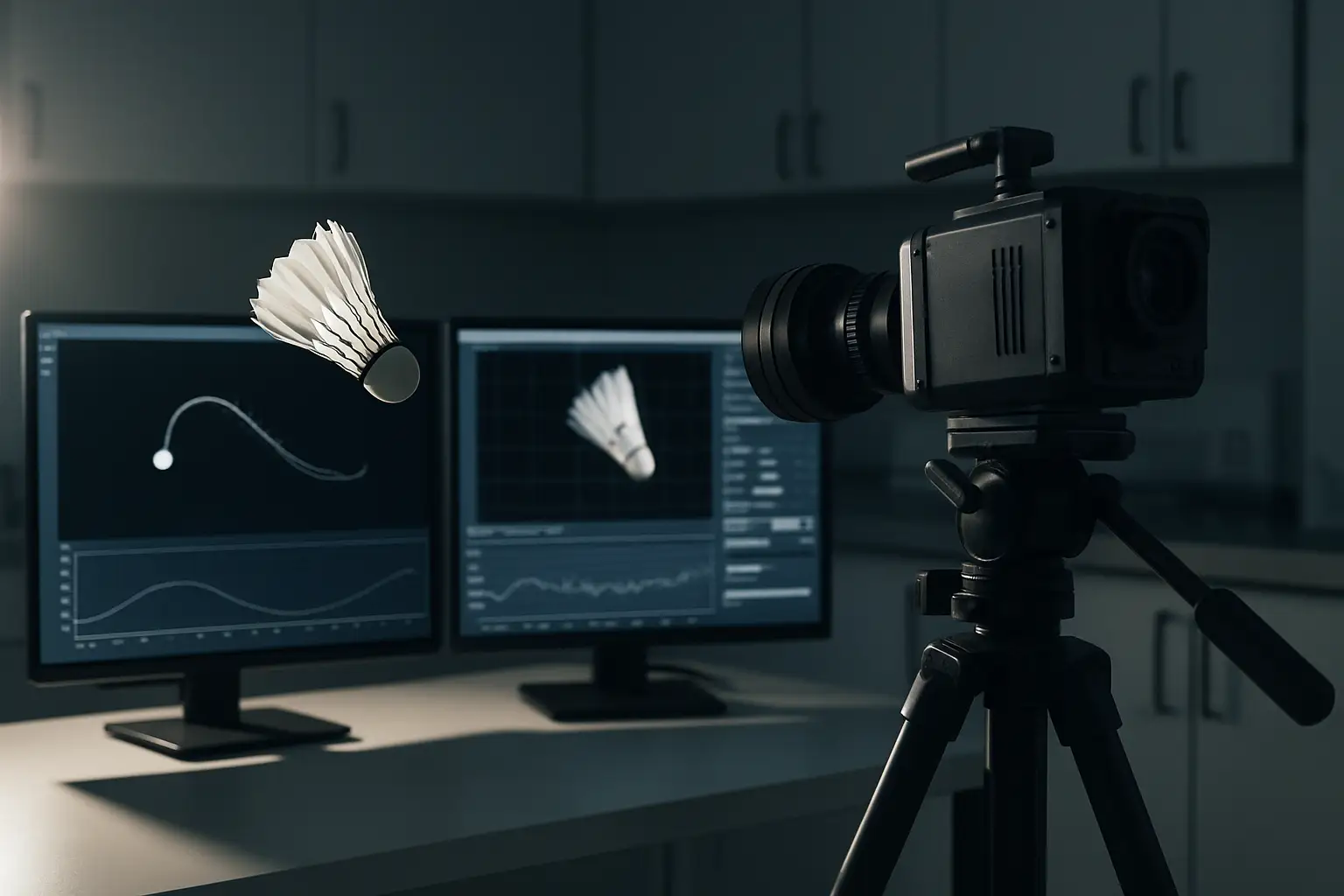
The research focuses on recording shuttlecock flight at frame rates far beyond what a standard camera can manage. A frame grabber acts as the bridge between a high-speed camera and a computer system, pulling in large volumes of image data quickly and reliably. BitFlow's hardware is designed for exactly this kind of demanding capture scenario, where dropping a single frame could compromise the entire analysis.
Why High-Speed Imaging Matters for Badminton
Tracking a shuttlecock accurately is harder than it looks. The projectile changes direction rapidly, decelerates fast after leaving the racket, and behaves differently depending on whether it is a feather or synthetic shuttle. Traditional video systems simply cannot sample fast enough to build a clean picture of the flight path.
High-speed cameras paired with capable frame grabbers solve that problem by capturing hundreds or even thousands of frames per second. Researchers can then reconstruct the full trajectory, measure velocity at any point in the flight, and study how spin or angle of impact affects movement. That kind of granular data has practical value for coaching, equipment design, and officiating technology.
The BitFlow frame grabber provides the data throughput needed to keep up with the camera without bottlenecking the pipeline. In high-speed imaging setups, the frame grabber is often the component that determines whether a system can sustain its capture rate over a full rally or test sequence.
From Lab Research to Real-World Badminton Applications
The broader goal of this type of research extends well beyond academic curiosity. Automated shuttlecock tracking could eventually feed into line-calling systems similar to those used in tennis, giving badminton tournaments a reliable electronic review option. It could also support player development tools that give athletes and coaches frame-by-frame feedback on shot technique and shuttle response.
Equipment manufacturers stand to benefit too. Understanding exactly how a shuttlecock behaves off different string tensions, racket weights, or shuttle materials requires the kind of objective, repeatable measurement that high-speed imaging provides. Gut feelings and slow-motion phone footage only go so far.
Research-grade setups like the one described in the Novus Light report represent the early infrastructure for those downstream applications. Getting the capture hardware right is the necessary first step before any meaningful analysis can follow.
Imaging Technology Finds a Growing Role in Sport Science
The use of industrial frame grabbers in sports research is part of a wider trend. Machine vision hardware originally developed for manufacturing inspection and robotics is increasingly finding its way into biomechanics labs, motion analysis studios, and sports science facilities. The performance requirements overlap significantly: both factory floors and sports labs need fast, accurate, and uninterrupted image capture.
BitFlow has a long history in the machine vision market, and its hardware is built to handle the data rates that high-speed cameras generate. Applying that capability to badminton tracking is a logical extension, and the research highlighted by Novus Light suggests the approach is producing usable results.
For badminton specifically, the timing is good. The sport has grown its global following considerably, and governing bodies are under increasing pressure to adopt the kind of technology-assisted officiating and performance tools that other major sports already use. Solid tracking research is the foundation that makes those tools credible.


Badminton Correspondent
Priya Nair covers badminton for 21.fun, from BWF World Tour results to player form, rankings and tactics.