Community Badminton Courts Buzz With Growing Player Interest
Badminton is pulling more players onto community courts across Borneo, with fresh enthusiasm at the grassroots level pointing to a broader shift in recreational sport.
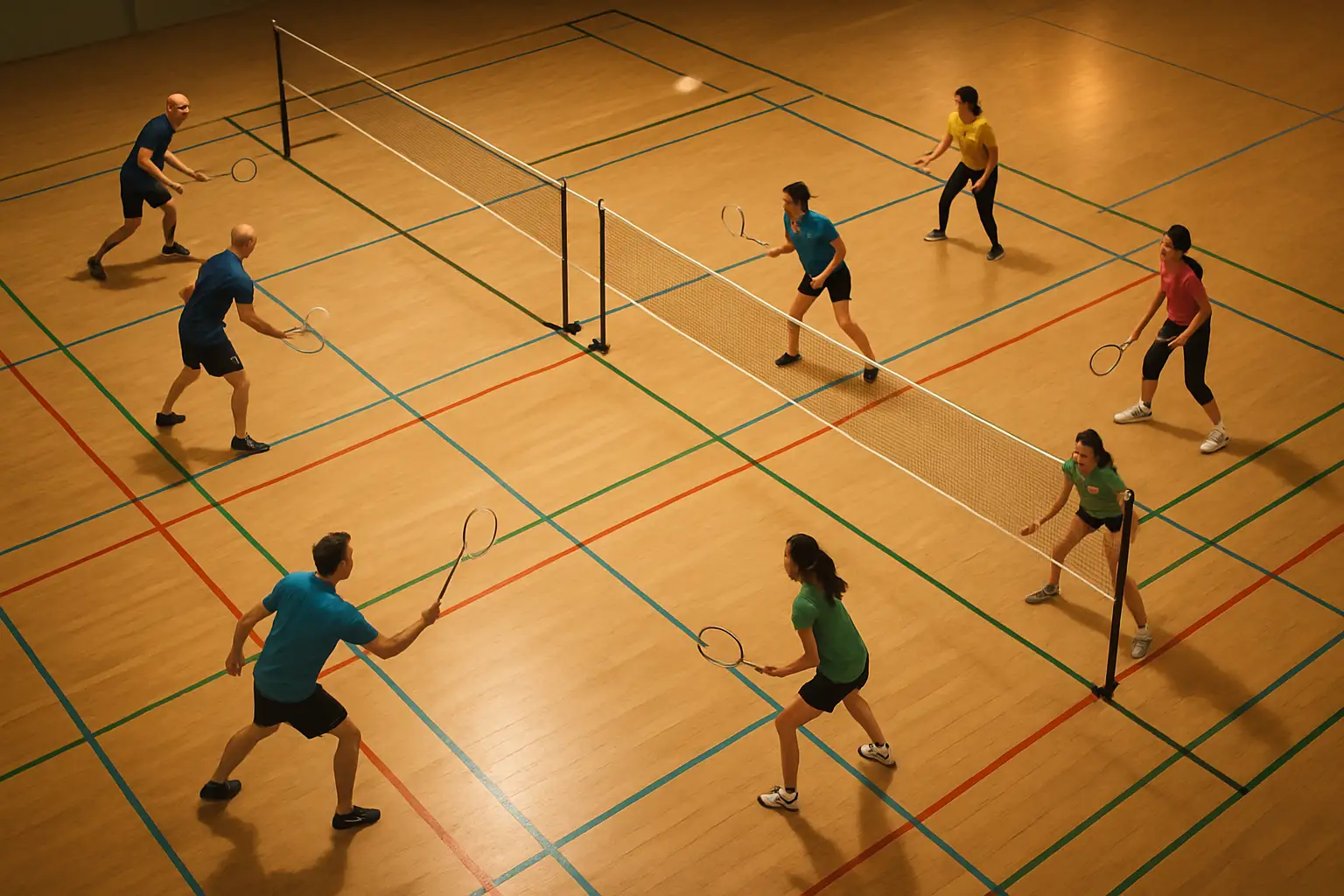


Community Badminton Sees Surge at the Grassroots Level
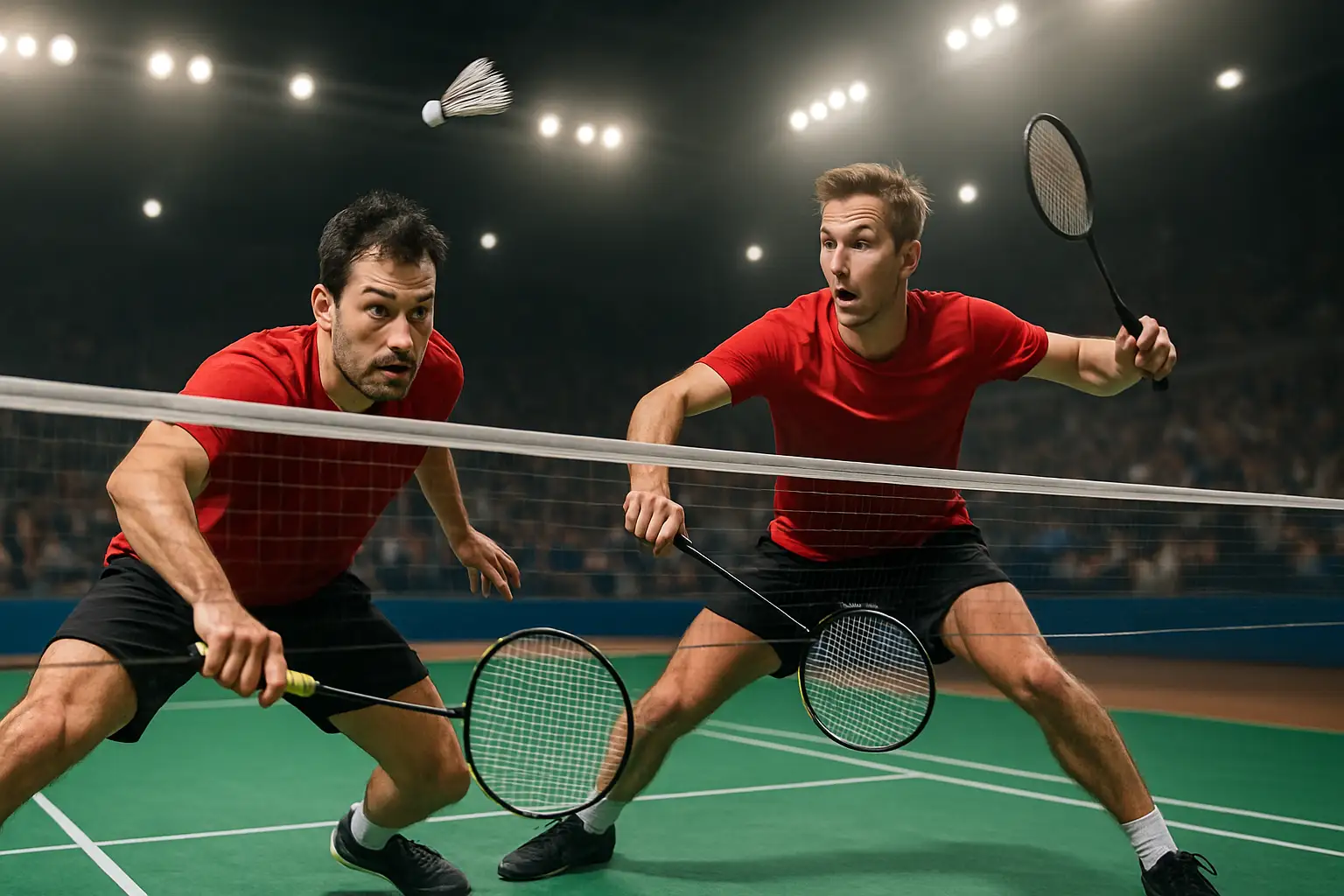
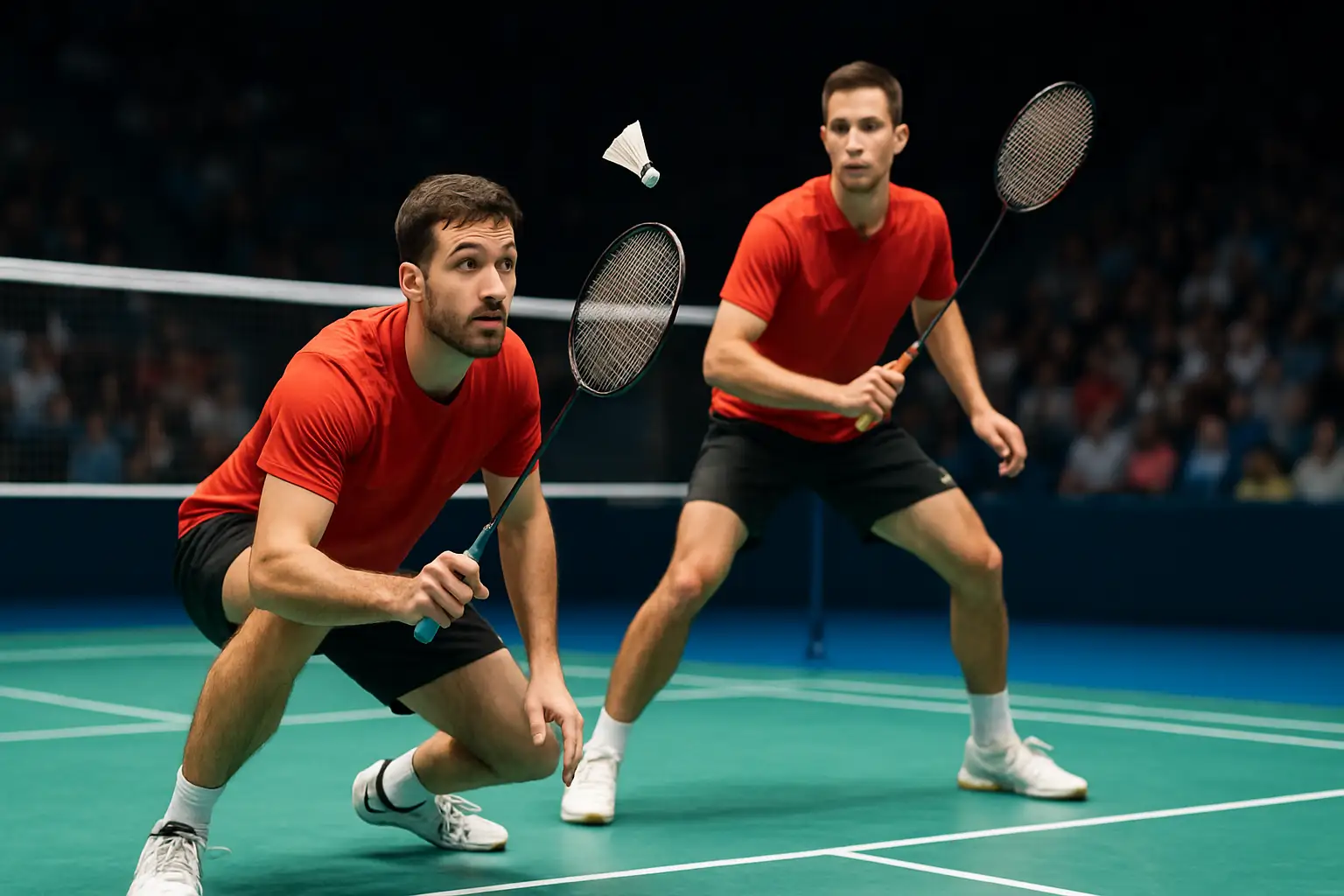
Community badminton is drawing more players than ever to local courts, according to reporting by the Borneo Bulletin. The uptick is visible at recreational facilities and community halls, where courts that once sat quiet on weekday evenings are now filling up with players of all ages and skill levels.
The trend reflects a wider shift in how people in the region are spending their leisure time. Badminton, long a staple sport across Southeast Asia, is finding renewed traction not just among competitive club players but among ordinary residents picking up a racket for fun, fitness, or social connection.
The low barrier to entry is part of the appeal. Compared to sports that demand expensive gear or large team rosters, badminton can be played with two people, a basic racket, and a shuttlecock. Community courts, often subsidized or free to use, make it even more accessible for families and working adults looking for a low-cost way to stay active.
What Is Driving More People to the Sport
Several factors appear to be behind the growing numbers on court. Health awareness has climbed in the post-pandemic period, and many people are looking for physical activities they can sustain over the long term. Badminton fits that profile well. It is competitive enough to keep players engaged but forgiving enough that beginners can enjoy a rally within a single session.
The social dimension also matters. Recreational badminton is often played in small groups, making it a natural setting for friends and colleagues to gather. Community courts double as informal social hubs, particularly in the evenings and on weekends.
Youth participation is also contributing to the numbers. Younger players are picking up the sport outside of school programs, drawn by the fast pace of the game and its popularity on video platforms where professional rally highlights circulate widely.
Courts and Facilities Feeling the Pressure
The increased footfall is good news for badminton's long-term health at the community level, but it also puts pressure on existing facilities. Courts in popular locations are booking up faster, and players are having to plan around peak-hour congestion. That competition for court time is a signal that demand has outpaced supply in some areas.
For facility managers and local sports bodies, the challenge now is to channel this interest into something sustainable. That means ensuring enough courts are maintained in good condition, that lighting is adequate for evening sessions, and that equipment rental or purchase options are available for newcomers who are not yet ready to invest in their own gear.
The Borneo Bulletin's reporting highlights this moment as an opportunity for community sports development, with grassroots badminton serving as a low-cost, high-participation vehicle for broader public health goals.
What Comes Next for Recreational Badminton
The current wave of interest could translate into stronger club membership, better-attended local tournaments, and a deeper pipeline of players who eventually move into more competitive formats. None of that happens automatically, though. It requires organized follow-through from sports associations, local government bodies, and facility operators.
Simple steps tend to have an outsized impact at the community level. Regular friendly competitions give casual players a goal to work toward. Coaching sessions aimed at beginners reduce the intimidation factor for people who want to improve. Social media groups tied to specific courts help players find partners and stay informed about availability.
Badminton has always had deep roots in this part of the world. The current community-level revival suggests those roots are spreading rather than shrinking, with more people treating the sport not as something to watch but as something to play.


Badminton Correspondent
Priya Nair covers badminton for 21.fun, from BWF World Tour results to player form, rankings and tactics.