What Esports Can Learn From Traditional and Digital Sports
Esports has grown fast, but gaps remain. Lessons from traditional and digital sports could help the industry build stronger structures and wider appeal.


Esports Is Growing, But Gaps Remain
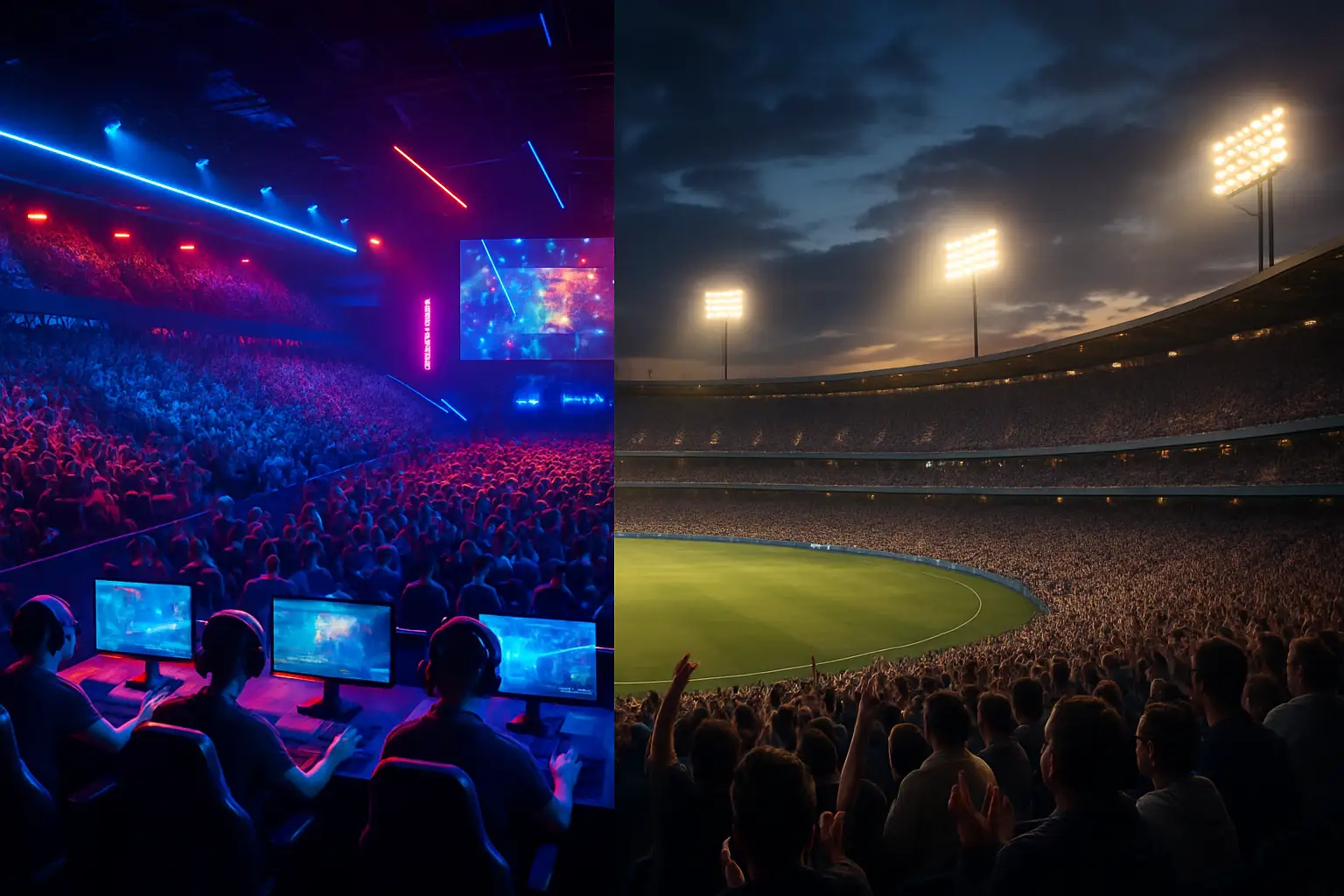
Esports has moved from basement tournaments to sold-out arenas in less than two decades. Revenue is climbing, viewership numbers rival some cable sports broadcasts, and major brands keep signing sponsorship deals. Yet the industry still wrestles with problems that older sporting ecosystems solved years ago: inconsistent player welfare standards, unstable league formats, and difficulty holding onto casual fans between major events.
A closer look at what traditional sports and digital sports have built over decades points to concrete areas where esports can improve, according to analysis published by games.gg.
Lessons From Traditional Sports
Leagues like the NFL, NBA, and Premier League did not become global businesses overnight. They built revenue-sharing models that gave smaller franchises a reason to stay invested. They developed player unions that set minimum salaries, health coverage rules, and post-career support. They also created clear promotion and relegation systems, or in the American case, draft structures, that gave fans a reason to follow teams across multiple seasons.
Esports organizations have experimented with some of these ideas, but implementation is uneven. Some titles run closed franchise leagues where teams pay large buy-ins for guaranteed spots. Others use open circuits where results alone determine who competes at the top level. Neither approach has fully replicated the loyalty cycles that keep football or basketball fans engaged year after year.
Player burnout is another area where traditional sports offer a blueprint. Professional basketball and soccer leagues built rosters deep enough to rotate players, manage fatigue, and extend careers. Competitive gaming schedules can be punishing, with online qualifiers, regional events, and international LANs stacking up across a calendar year. Teams that invest in sports science, mental health support, and structured rest periods are drawing directly from methods that physical sports refined over generations.
Coaching infrastructure is a third takeaway. Traditional sports academies identify talent early, develop it systematically, and feed polished players into senior rosters. Esports talent pipelines exist, but they remain fragmented. Building more formal pathways from amateur play to professional contracts would give the industry a steadier supply of prepared competitors and reduce the volatility that comes from relying on self-taught talent discovered through ranked queues.
What Digital Sports Bring to the Table
Digital sports, meaning online competitive formats tied to platforms like fantasy leagues, sim racing, and mobile gaming circuits, have cracked something esports still struggles with: low-barrier entry for audiences who want to participate, not just watch.
Fantasy sports turned passive viewers into active stakeholders. Someone tracking a fantasy roster checks scores more often, watches more games, and stays connected to the sport on slow news days. Esports has fantasy products, but they have not reached the same scale or cultural weight. Investing in fantasy and prediction tools tied to major tournaments could extend fan engagement well beyond the live broadcast window.
Sim racing and virtual sports competitions have also demonstrated that a competitive format does not need a decade of history to feel legitimate. Organizers in those spaces moved quickly to standardize rules, publish transparent rankings, and partner with real-world brands from the automotive and sports industries. The credibility transfer happened because the structure was clear from the start.
Mobile esports is another angle where digital-first thinking applies. Titles built for mobile audiences often reach demographics that PC and console esports miss entirely, particularly in South and Southeast Asia, Latin America, and Sub-Saharan Africa. Formats designed around shorter match times and lower hardware requirements open competitive gaming to regions where expensive setups are not realistic for most players.
Building Something That Lasts
The common thread across both traditional and digital sports is structure. Fans invest emotionally in competitions that feel stable and fair. Sponsors commit budgets to properties with predictable calendars and measurable audiences. Players build careers in ecosystems that protect their interests and reward long-term development.
Esports has the audience interest and the cultural momentum. The work ahead is institutional. Borrowing proven frameworks from sports that have already navigated these questions is not a sign of weakness. It is the practical path toward turning a fast-growing scene into a durable industry.
Games.gg's reporting on this topic reflects a broader conversation happening inside esports organizations, publisher boardrooms, and investor circles about what the next phase of growth actually requires.


Football Correspondent
Alex covers football and the global game with fast, sharp analysis.