First-Ever Deaf Games in Samba Draw 20 Players Across Four Disciplines
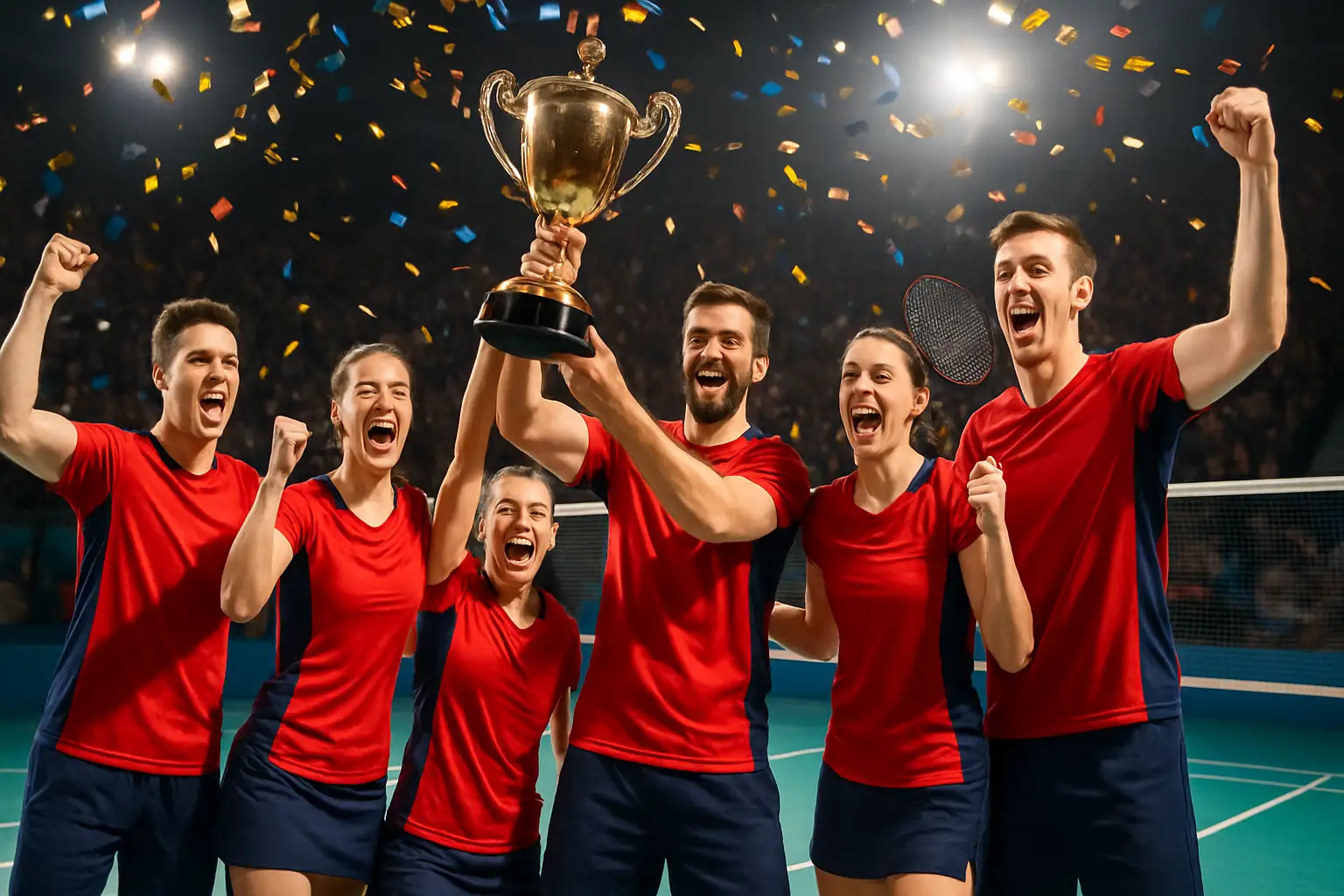
The Deaf Games made their historic debut in Samba, with 20 players taking part in four sporting disciplines at an event marking a milestone for inclusive sport in the region.


A Historic Milestone for Deaf Athletes in Samba
The first-ever Deaf Games held in Samba brought together 20 players competing across four disciplines, according to reporting by the Daily Excelsior. The event marks a significant step for deaf and hard-of-hearing athletes who have long sought dedicated competitive platforms in the region.
Organizing a dedicated games format for deaf athletes creates space for competition that is often absent from mainstream sporting calendars. Participation numbers, while modest at 20 players, reflect the early-stage nature of the initiative and the practical challenges of mobilizing a community that is frequently underserved by traditional sports infrastructure.
Four Disciplines Take Center Stage
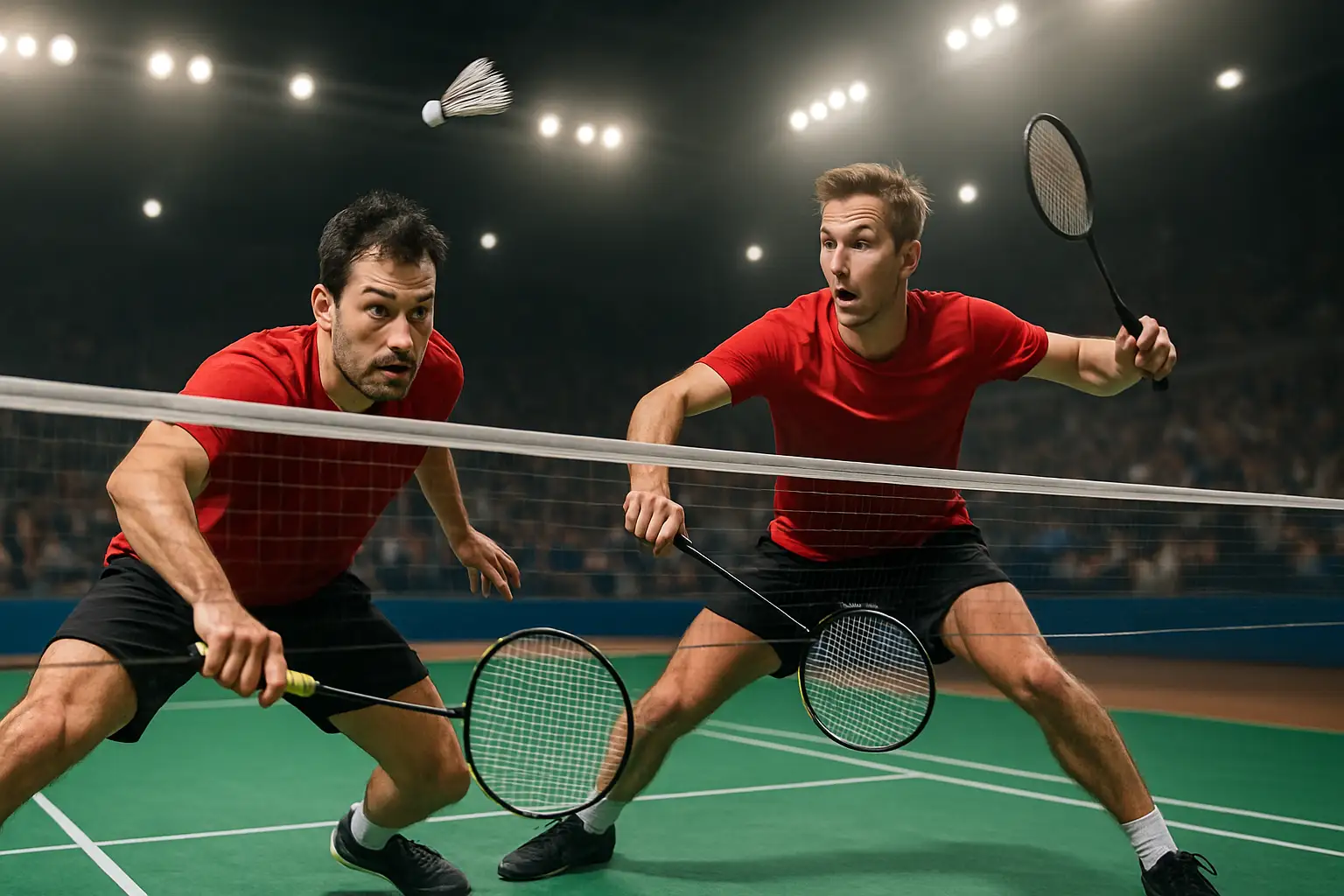
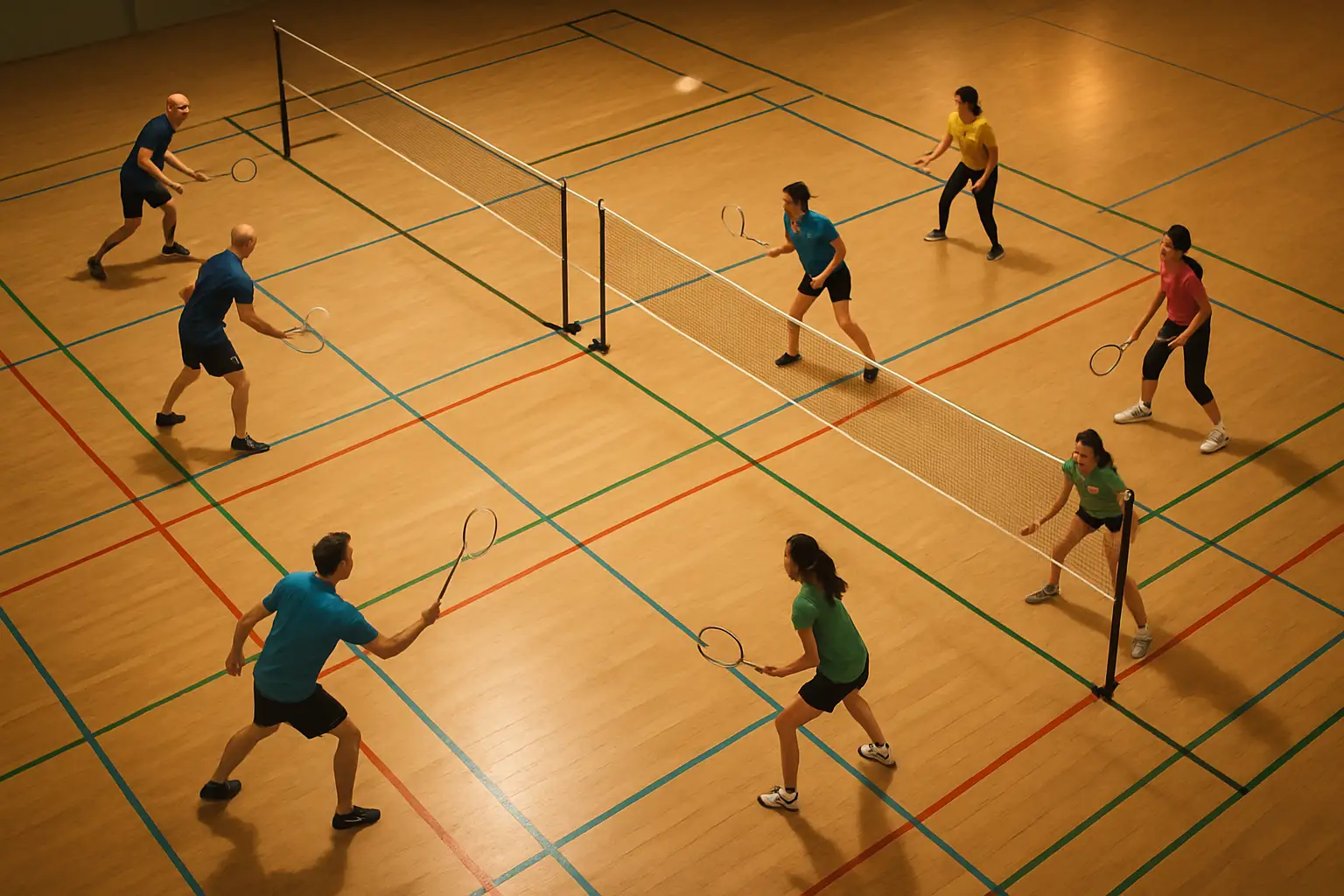
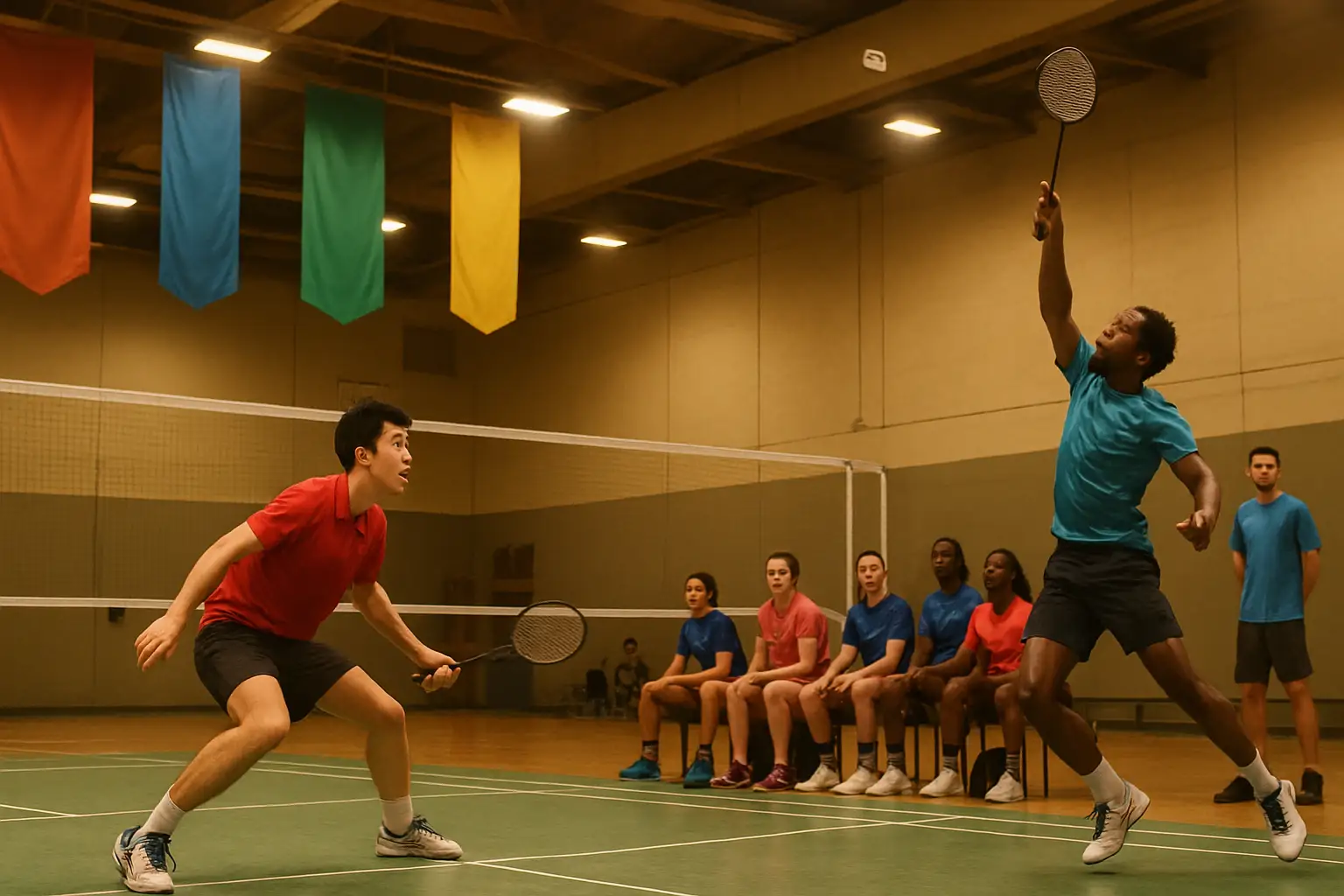
The games featured competition across four separate disciplines, giving athletes the chance to compete in multiple formats over the course of the event. Badminton was among the sports on offer, providing deaf players a structured competitive outlet that mirrors the kind of organized tournaments typically available only to hearing athletes.
Multi-discipline events like these serve a practical purpose beyond the competition itself. They allow organizing bodies to gauge athlete numbers, identify talent, and build the logistical foundation needed for larger tournaments in future editions.
Why Events Like This Matter
Deaf athletes face a specific set of challenges in mainstream sport. Standard referee signals, verbal coaching during play, and crowd-based audio cues are all barriers that can make participation in conventional formats difficult or exclusionary. Purpose-built games, by contrast, are structured from the ground up with deaf athletes in mind.
Samba's hosting of this inaugural event positions the city as an early mover in a space that remains underdeveloped across much of South Asia. If the organizing body can build on the turnout and interest from this first edition, future iterations could draw significantly larger fields and potentially expand the number of disciplines on offer.
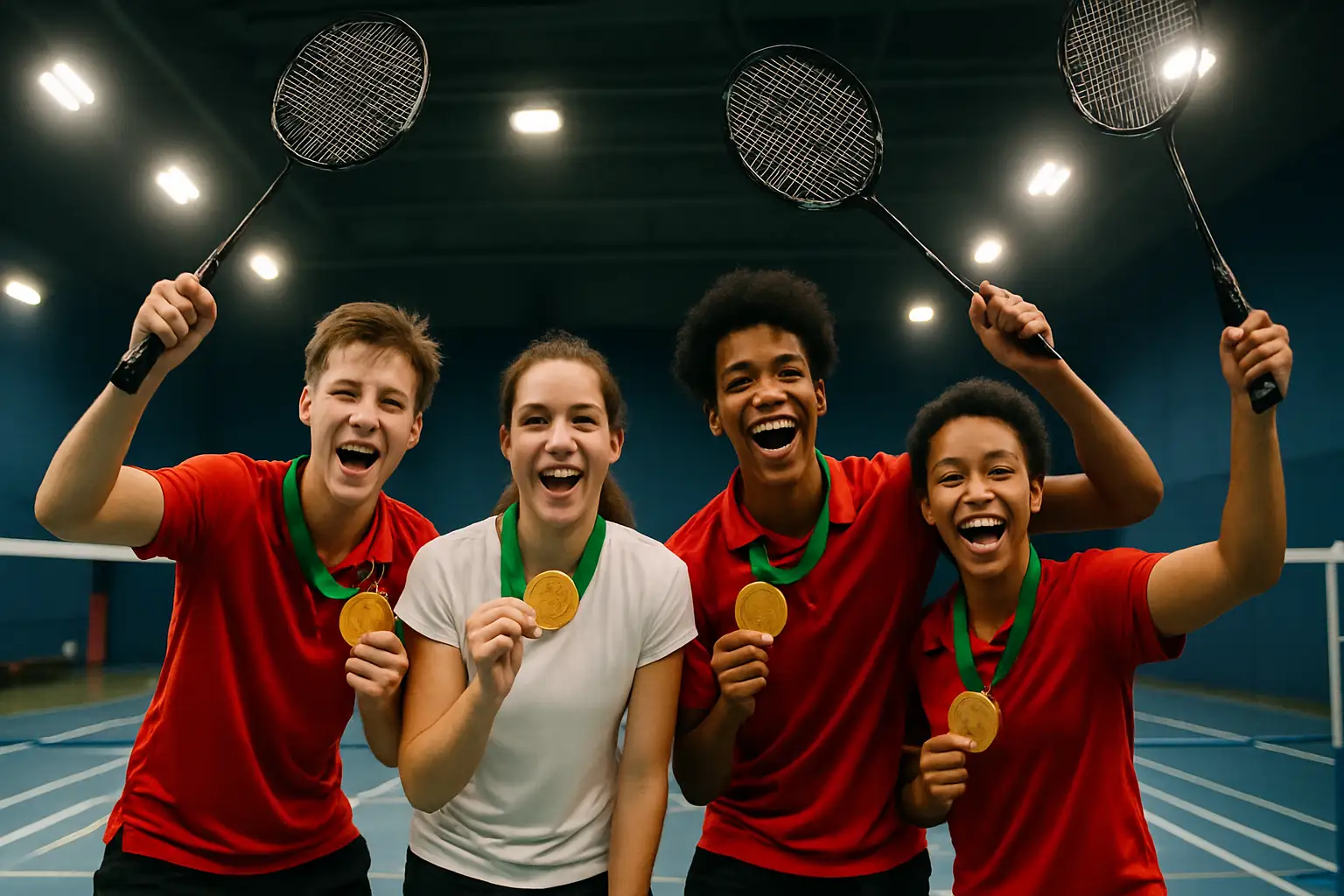
The Daily Excelsior reported the event as a landmark occasion for the local deaf sporting community, and the 20 athletes who competed in Samba can claim the distinction of being the first to participate in what organizers will hope becomes a recurring competition.


Badminton Correspondent
Priya Nair covers badminton for 21.fun, from BWF World Tour results to player form, rankings and tactics.