Forehand and Backhand Footwork Made Simpler for Badminton Players
Improving forehand and backhand footwork is one of the most effective ways to sharpen your badminton game, and new guidance is breaking down the movement patterns players need to master.
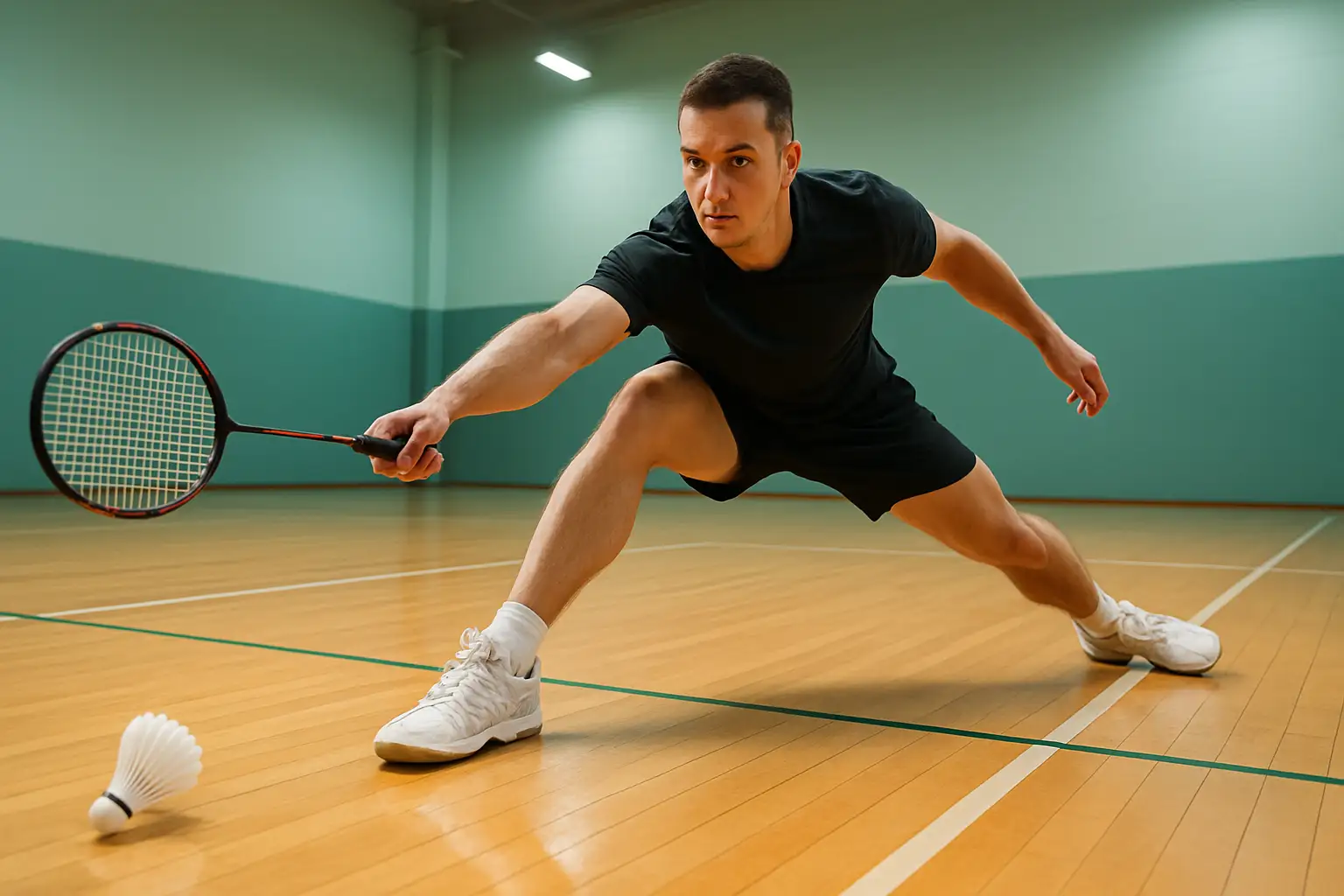


Badminton footwork sits at the core of every competitive rally, and getting the forehand and backhand movement patterns right can be the difference between reaching a shuttle comfortably and scrambling for it late. A report published via MSN highlights practical ways players can simplify these two fundamental footwork styles and build consistency across the court.
Why Footwork Defines Your Game
Many amateur players focus on their swing technique while underestimating how much footwork shapes every shot. If your feet are not in position before contact, even a technically sound swing produces weak or misdirected returns. The forehand and backhand sides of the court each demand distinct movement patterns, and confusing the two - or defaulting to one side out of habit - leaves predictable gaps in your coverage.
The forehand side generally allows a player to generate more power and reach. Most players feel more confident moving to this side because the body's natural rotation supports the shot. The backhand side, by contrast, requires more deliberate preparation. Without proper footwork leading into the backhand corner, players tend to reach with the arm rather than transferring weight through the body.
Breaking Down the Movement Steps
The guidance covered in the MSN report focuses on reducing the mental complexity players attach to court movement. Rather than memorizing separate routines for dozens of court positions, the approach centers on a smaller set of core steps that apply consistently across situations.
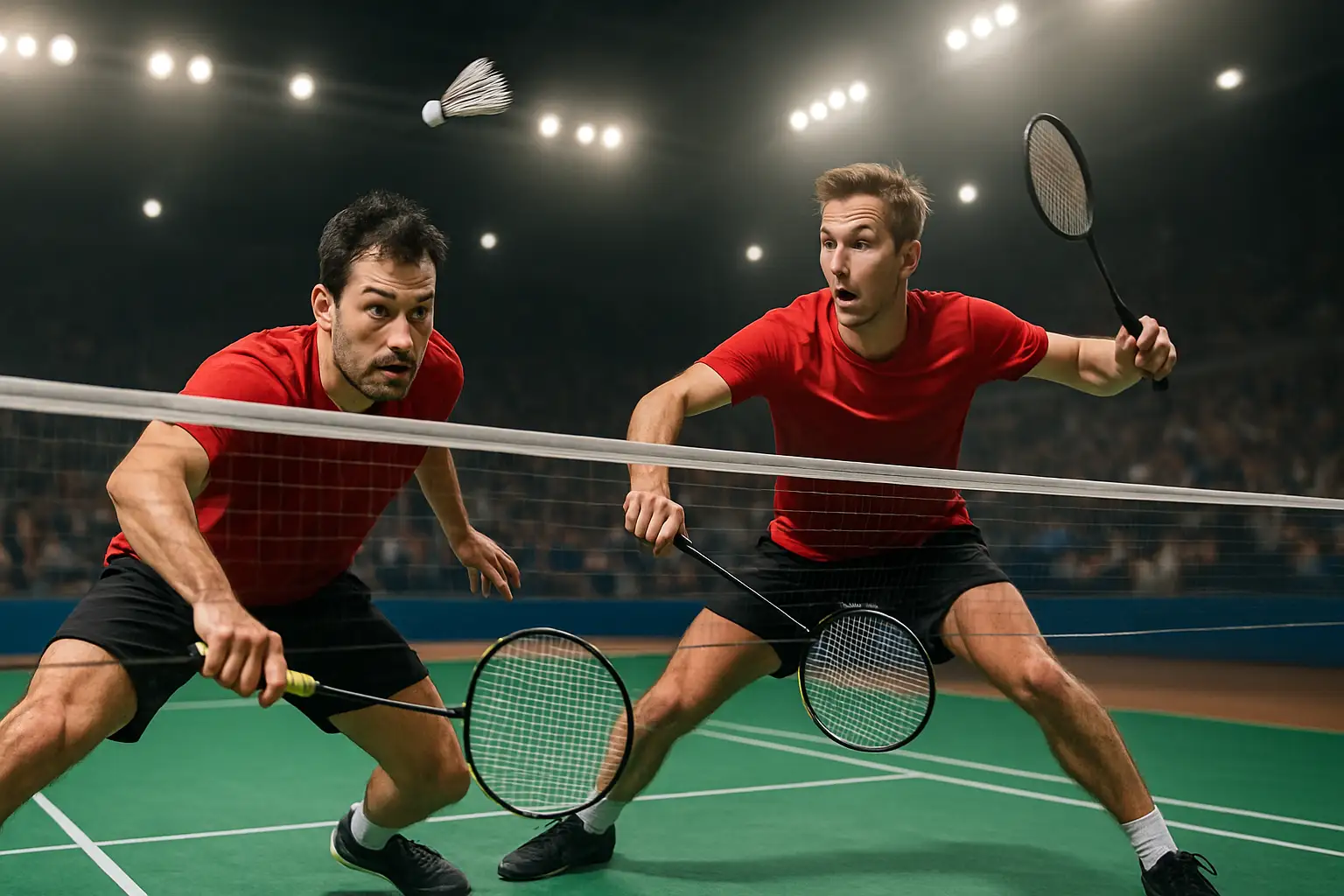
For forehand movement, the key is a quick split step from the base position, followed by a controlled push off the non-racket foot toward the shuttle. The final stride places the racket-side foot forward, allowing the hips to rotate naturally through the shot. Returning to base promptly after each shot keeps the player ready for the next exchange.
Backhand footwork follows a similar rhythm but with a pivot adjustment. After the split step, the player rotates to lead with the racket-side shoulder, crosses the non-racket foot behind, and plants the racket foot to create stability before striking. This crossover step is where many recreational players lose balance, often because they skip the pivot and try to reach the shuttle with a straight-line run.
Practicing these steps slowly and without a shuttle first - shadow footwork drills - allows the body to internalize the pattern before speed is added. Coaches consistently recommend this approach because it separates the footwork problem from the hitting problem, letting players fix each independently.
Common Mistakes and How to Correct Them
One of the most reported issues among developing players is the tendency to flat-foot between shots. Staying on the heels slows the initial reaction step considerably. Keeping a slight forward lean and staying on the balls of the feet allows for faster push-off in any direction.
Another common error is over-striding. Taking one large step instead of two or three smaller, controlled steps leads to poor balance at the point of contact. Smaller, quicker steps give the player more options to adjust if the shuttle drifts slightly off the expected line.
For the backhand specifically, players often skip the shoulder rotation that sets up the crossover. Without it, the crossover step becomes awkward and the strike lacks power. Drilling the rotation in isolation - without any footwork - can help players feel the correct upper-body position before combining it with the full movement.
Building Footwork Into Regular Training
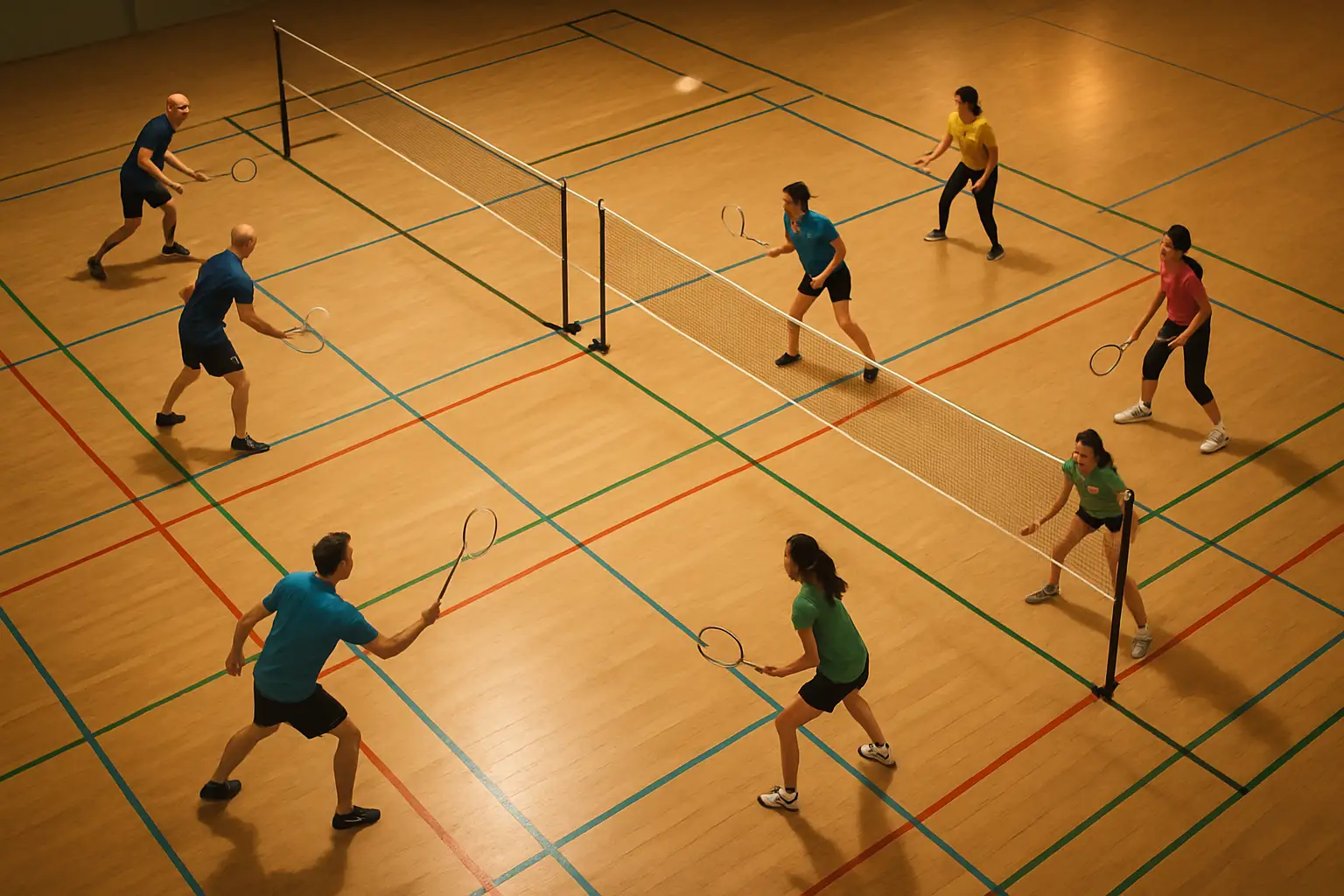
The simplest way to develop consistent footwork is to dedicate a portion of every practice session to movement drills alone. Court marking cones to simulate the six basic court positions - two at the net, two in the mid-court, and two at the rear - gives players a structured target to move between. Cycling through forehand and backhand corners in a timed sequence builds the automatic responses that transfer into match play.
Video review is another practical tool. Recording a practice session and watching foot placement frame by frame often reveals habits the player cannot feel in real time, such as late split steps or foot placement that is slightly off-line.
The broader takeaway from the MSN coverage is that forehand and backhand footwork does not need to be treated as an advanced topic reserved for competitive players. Breaking the movements into repeatable steps and drilling them at low speed before increasing intensity makes the learning curve far more manageable for players at any level.


Badminton Correspondent
Priya Nair covers badminton for 21.fun, from BWF World Tour results to player form, rankings and tactics.