Ludhiana Homemaker and Mother of Two Finds Her Way Back to Badminton
A Ludhiana woman who set aside her sporting ambitions for family life is reclaiming her place on the badminton court, showing that the game does not have to end at marriage.


A Familiar Story With an Uncommon Ending
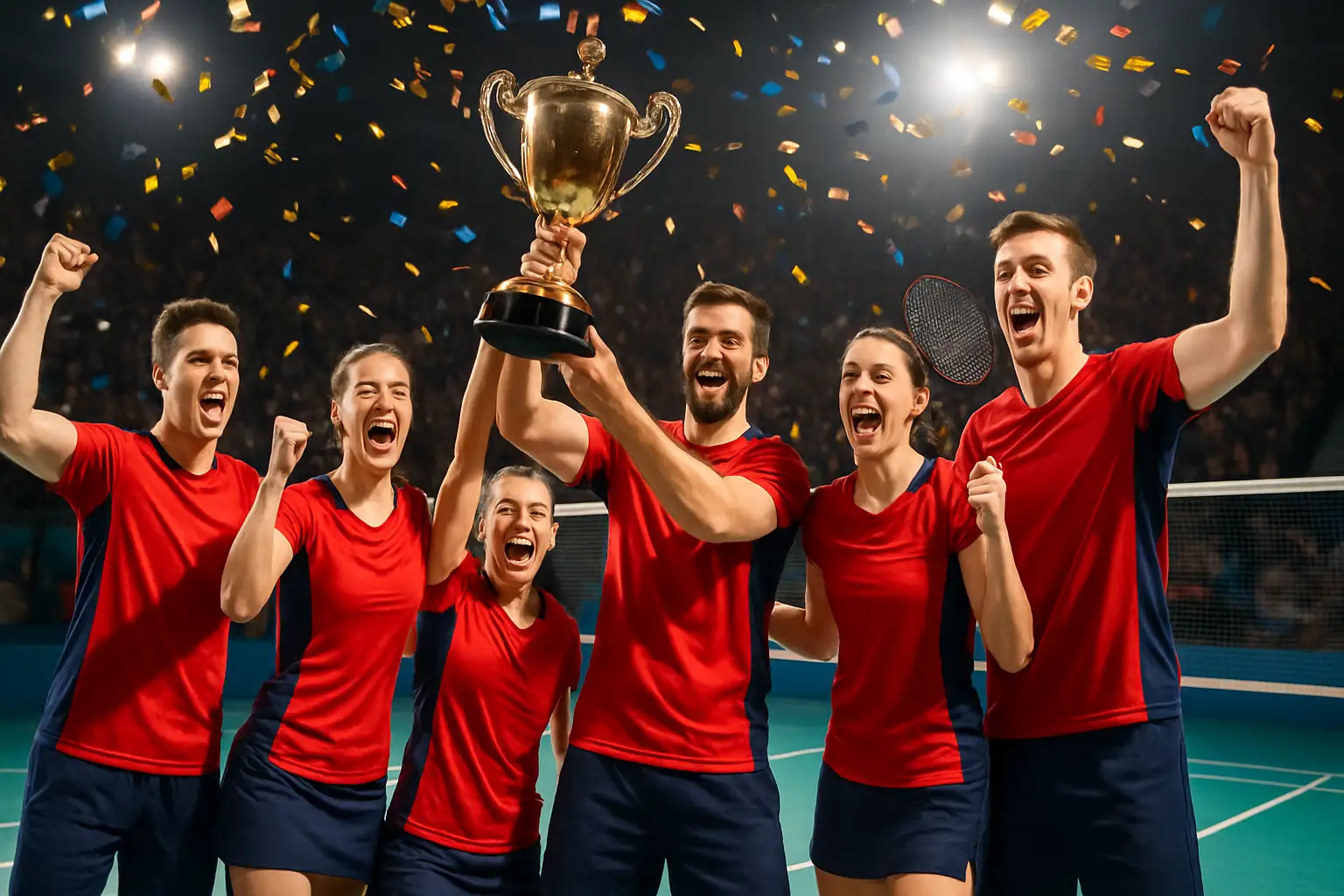
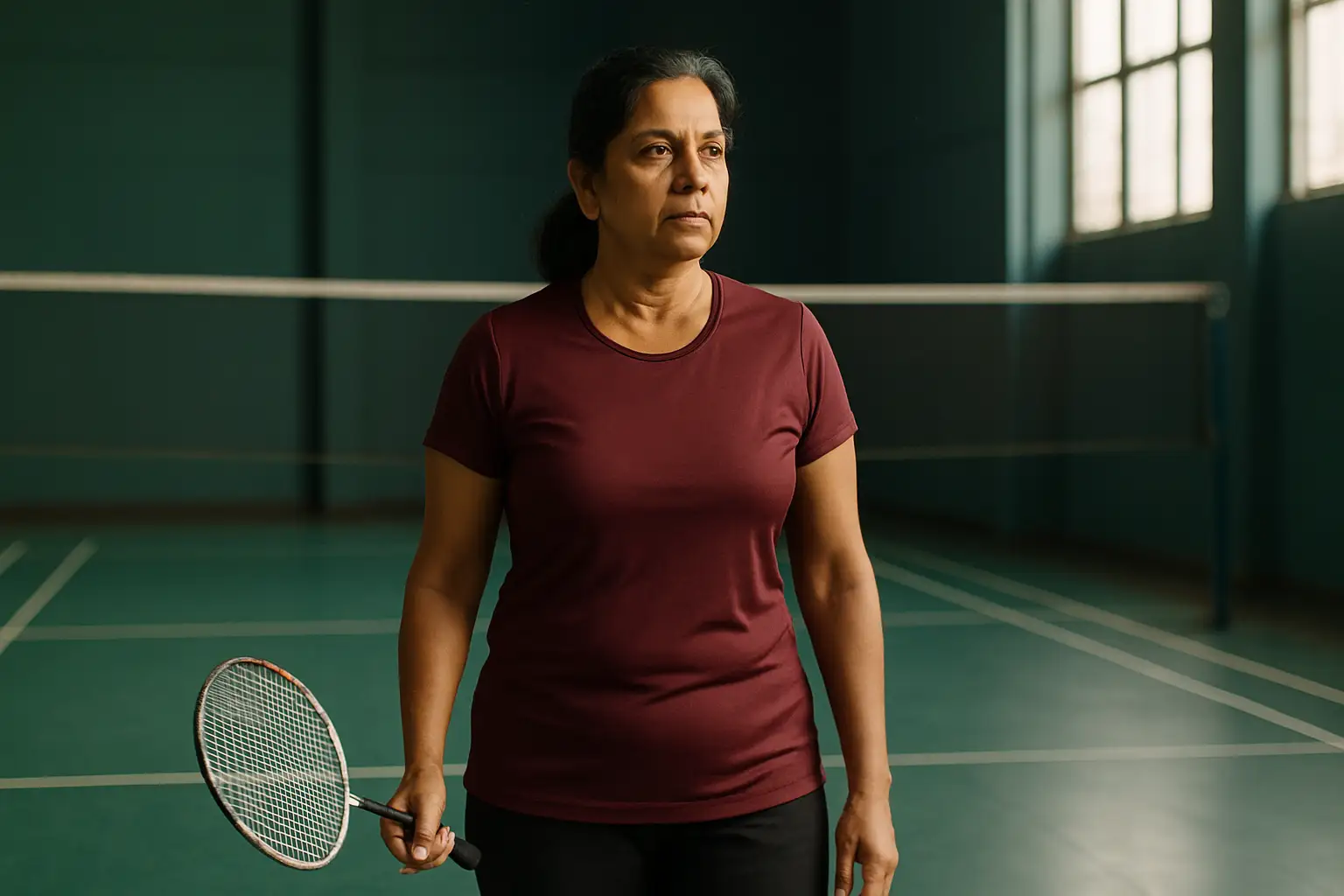
For many women in India, competitive sport quietly disappears after marriage and children arrive. Domestic duties fill the hours, and the racket gathers dust in a corner. A Ludhiana woman is pushing back against that pattern. A homemaker and mother of two, she has returned to the badminton court after years away from the game, her story reported by The Tribune.
Her journey resonates because it is not unique in its obstacles but is rare in its outcome. Balancing household responsibilities with training sessions is not a small logistical feat, yet she has managed to carve out time to compete again.
Stepping Back Into the Sport
The path back to badminton for this Ludhiana woman was not straightforward. Years of prioritising her family meant her fitness and competitive edge had to be rebuilt from the ground up. Training after a long gap requires physical conditioning as much as it demands mental resolve. Getting back on court means accepting that progress will be slow at first and that younger or more active players will outpace you initially.
What the sport gave her in return, according to the original Tribune report, was more than just physical activity. Returning to badminton appears to have restored a sense of individual identity outside the roles of wife and mother, something that is easy to lose during the years dominated by childcare and household management.
Her decision to compete again also sets a visible example for her two children. Watching a parent pursue a personal goal with discipline sends a message that ambition does not carry an expiry date.
Why This Story Matters for Women in Sport
India has seen growing participation of women in sport at elite levels, from badminton stars like P.V. Sindhu to wrestlers and boxers carrying the national flag. But the story at the grassroots level is more complicated. Thousands of girls who showed early promise drop out of sport once family responsibilities increase. There is rarely a formal support structure that helps them return.
The Ludhiana woman's experience highlights a gap that sports bodies and local clubs could do more to address. Flexible training schedules, women-only sessions, and community-level competitions designed for returning players could make re-entry more accessible. Without such structures, returning to sport depends almost entirely on personal determination and a supportive household environment.
Badminton, with its relatively low equipment cost and the wide availability of courts in Punjab's urban centres, is one of the more accessible sports for women looking to return to physical activity. That accessibility matters when a player is fitting sessions around school runs and household tasks.
What Comes Next
The Tribune's report does not frame this as a tale of overnight triumph. Instead it presents the journey itself as the point. Getting back on the badminton court after years as a full-time homemaker is the achievement, and whatever competition she enters from here adds to that.
For other women in similar situations across Ludhiana and Punjab, her story is a practical signal. The court is still there. The sport can be picked back up. The years spent raising children do not permanently close that door, even if they push it nearly shut for a while.


Badminton Correspondent
Priya Nair covers badminton for 21.fun, from BWF World Tour results to player form, rankings and tactics.