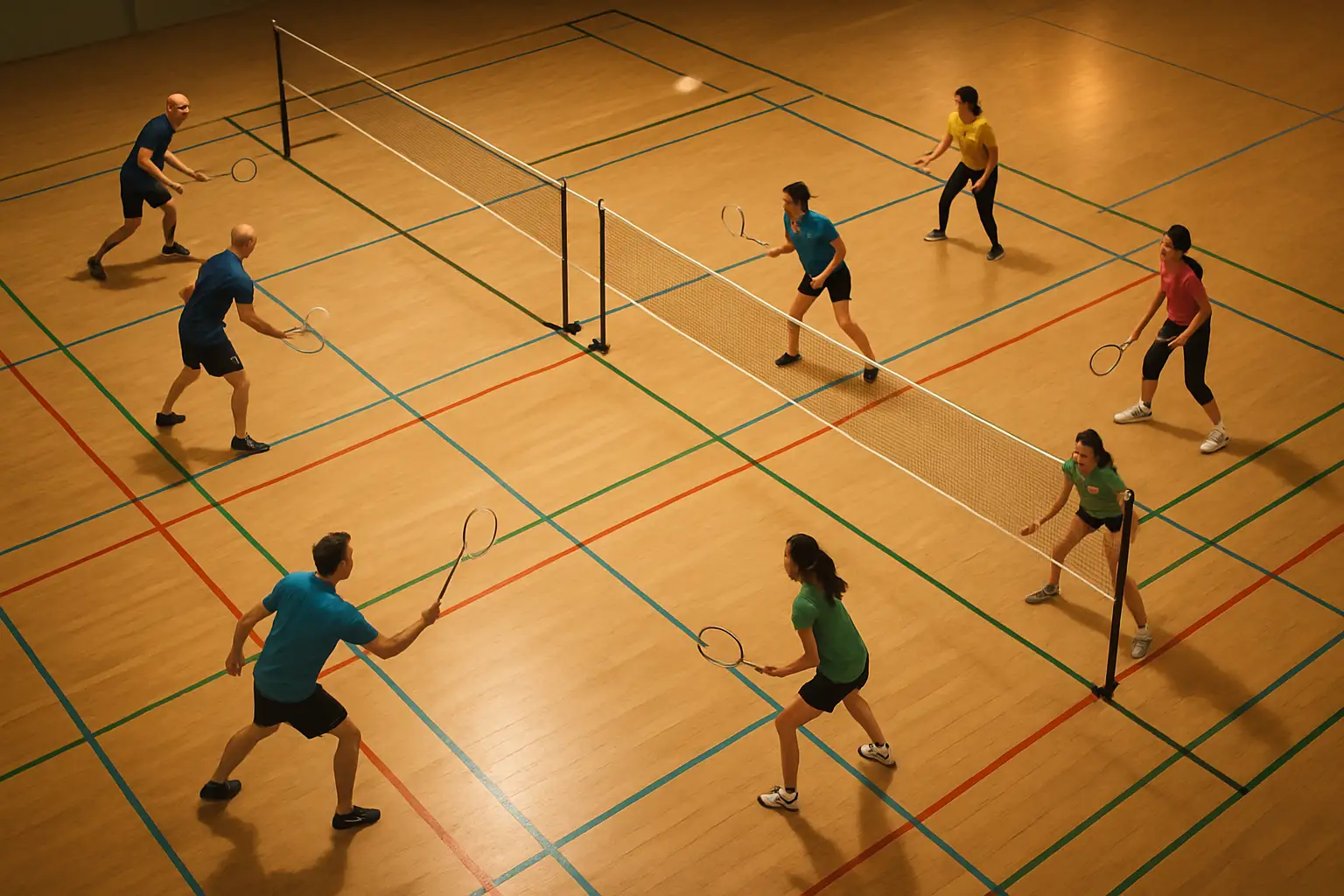
Malaysian Badminton's Decline: The Challenges Holding It Back
Once a dominant force in world badminton, Malaysia is struggling to reclaim its former glory as deep-rooted structural and competitive challenges mount.



Malaysian Badminton's Decline Raises Serious Questions
Malaysian badminton's decline has become impossible to ignore. A sport that once defined the country's identity on the global stage is now facing a period of prolonged underperformance, and analysts and fans alike are asking hard questions about what went wrong and whether it can be fixed.
For decades, Malaysia produced world-class players capable of competing at the highest levels of the Badminton World Federation circuit. Names from Malaysian courts carried weight in Thomas Cup and Olympic competition. That reputation, built over generations, is now under significant pressure as results have failed to match expectations year after year.
Free Malaysia Today has reported on the range of challenges contributing to this slide, pointing to problems that run deeper than any single tournament result or player's poor form.
Structural and Development Problems
At the heart of the concern is a question of player development. Critics have pointed to gaps in the national training pipeline, suggesting that the system for identifying and nurturing young talent is not producing the depth it once did. When top players retire or lose form, there are fewer proven replacements ready to step in at the elite level.
Funding and resource allocation have also come under scrutiny. High-performance badminton demands significant investment in coaching, sports science, equipment, and international exposure for developing players. Where those resources are stretched thin or poorly directed, the effects show up eventually on the court.
Coaching quality and continuity is another pressure point. Building a competitive player takes years of consistent, expert guidance. Instability in coaching setups, whether through frequent changes or insufficient expertise at critical development stages, can disrupt the long-term progress of promising athletes.
The sport also faces growing competition from other recreational and professional sports for the attention of young Malaysians. A generation that has more choices about where to invest its time and energy may not gravitate toward badminton the way previous generations did, shrinking the talent pool at the grassroots level.
Pressure at the International Level
The international badminton landscape has also shifted dramatically. Countries including China, South Korea, Indonesia, Denmark, and Japan have invested heavily in their programs and now field extraordinarily deep squads. The margins at the top of world badminton are razor thin, and any weakness in preparation or consistency gets punished.
For Malaysia, keeping pace with these programs has proven difficult. Players who might have been competitive a decade ago now face opponents who are faster, better coached, and backed by more sophisticated support systems. The gap is not insurmountable, but closing it requires systemic change rather than hoping individual talent alone will carry the nation forward.
There is also a mental and competitive culture dimension. Sustained success in elite sport requires an environment where players are pushed to their absolute limits in training and held to high standards of professionalism. If that culture softens or becomes complacent at any level of the system, it tends to show in results over time.
What Needs to Change
Addressing Malaysian badminton's decline will require honest assessment from Badminton Association of Malaysia officials, coaches, and stakeholders. Identifying where the development pathway breaks down, why certain age groups are not producing internationally competitive players, and how funding is being used are all necessary starting points.
Grassroots investment is consistently cited by sports development experts as the foundation of long-term elite success. Getting more children playing badminton, keeping them engaged through their teenage years, and giving the most talented ones access to quality coaching early could gradually rebuild the depth that the national program currently lacks.
Transparency and accountability within the sport's governing structure matter too. When results disappoint, there needs to be a clear mechanism for reviewing decisions, changing direction, and learning from failure rather than repeating the same approaches.
Malaysia has the history, the passion, and the infrastructure to compete at the top of world badminton. Whether the will exists to make the difficult changes needed is the question that will define the sport's trajectory in the years ahead.


Badminton Correspondent
Priya Nair covers badminton for 21.fun, from BWF World Tour results to player form, rankings and tactics.