Could Your Badminton Racket Be Damaging Your Wrist?
The racket in your hand might be doing more harm than good. Here is what players should know about racket choice and wrist health.


The Link Between Racket Choice and Wrist Pain
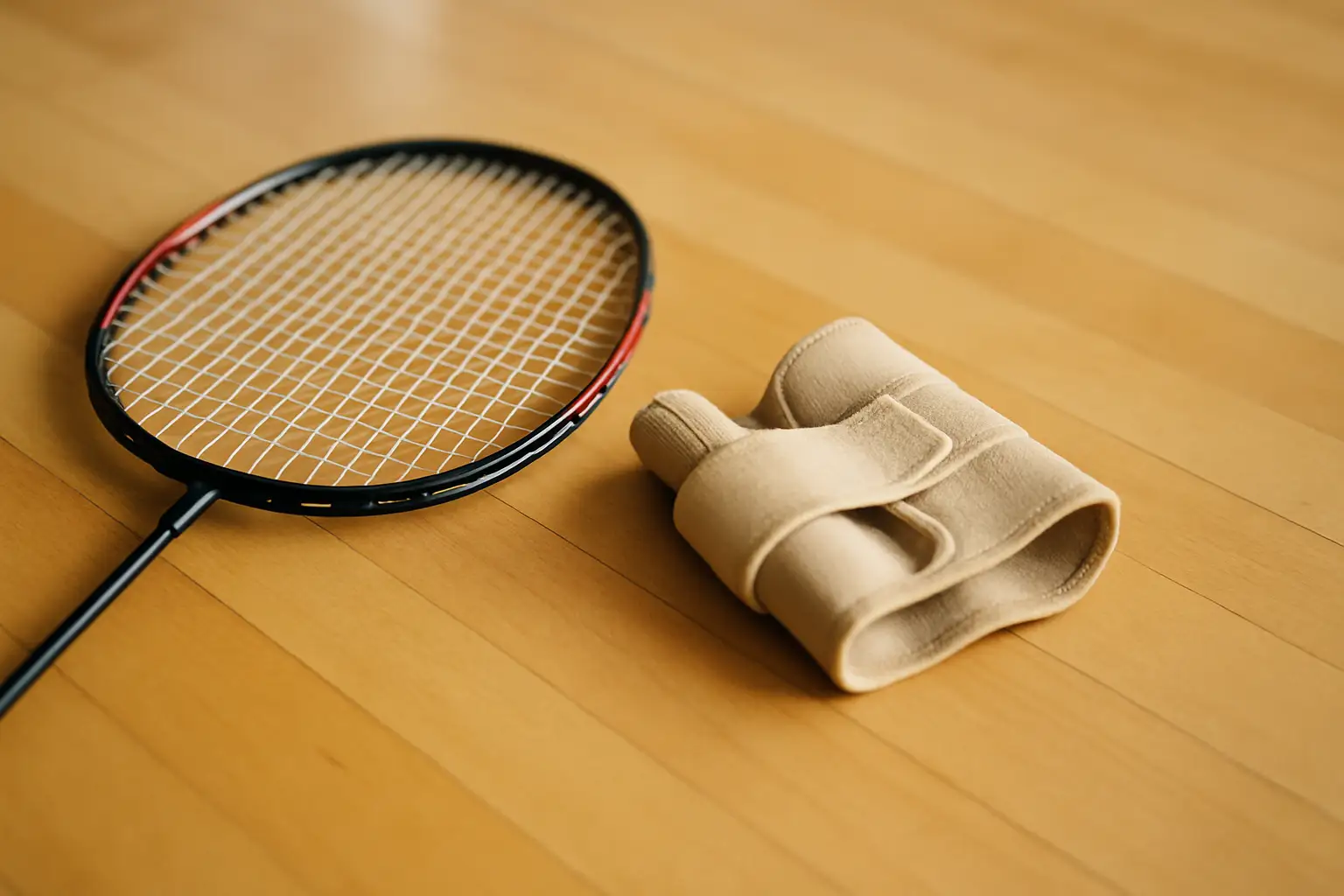
For casual players and competitive athletes alike, wrist injuries are one of the most common complaints in badminton. What many players overlook is that their racket itself could be a contributing factor. Reporting flagged by Newswav raises the question of whether racket specifications, used without proper consideration, may quietly cause wrist strain over time.
The wrist absorbs a significant amount of force with every swing, smash, and net shot. When a racket's weight, balance point, or string tension is poorly matched to a player's style or physical condition, that stress can multiply with each session on the court.
It is not a dramatic snap or sudden fall that sidelines most badminton players. It is the slow accumulation of repetitive strain, and the racket sitting in the bag is often the last thing they examine.
What Racket Specifications Actually Do to Your Body
Racket weight is one of the first factors to consider. Heavier frames generate more power, but they also demand more from the forearm and wrist muscles to control each stroke. Players who jump to a heavier racket without building the necessary muscle strength are taking on extra risk.
Balance point matters just as much. A head-heavy racket shifts more mass toward the frame's top, which amplifies the rotational force traveling back through the grip and into the wrist at impact. For players who already have wrist sensitivity or a history of minor injuries, this design can worsen things gradually.
String tension is another variable that gets overlooked. Higher tension gives experienced players more control and a crisper feel, but it also reduces the string bed's ability to absorb shock. That shock has to go somewhere, and it typically travels into the hand and wrist.
Grip size plays a quieter role too. A grip that is too small forces the fingers to squeeze harder to maintain control, tightening the forearm muscles and increasing the load on the wrist joint across a full game.
Warning Signs Players Tend to Ignore
Wrist discomfort during or after play is the clearest signal that something is off. Soreness that fades within an hour is easy to dismiss, but when that soreness extends into the next morning or flares up at the start of a session, it deserves attention.
A clicking sensation in the wrist during specific shots, reduced grip strength, or pain concentrated on one side of the wrist are all signs worth taking seriously. These symptoms can point to tendon irritation or early-stage repetitive strain injury, both of which worsen with continued play on mismatched equipment.
Many players adjust their technique when they feel pain, which can introduce compensation patterns that create problems in the shoulder or elbow instead.
How to Choose a Racket That Works With Your Body
The starting point is matching racket weight and balance to current skill level and physical condition, not to what a professional player uses. Beginners and recreational players generally benefit from lighter, more even-balanced frames that reduce the demand on wrist stabilizing muscles.
String tension should be set conservatively until a player's technique is consistent. Erratic swings at high tension send unpredictable shock through the frame, compounding stress on the wrist.
Getting a proper grip size check, either from a specialist or an experienced coach, takes a few minutes and can prevent months of recovery time. Overgrip tape can be added to build up a handle that runs small, and it costs almost nothing.
Warm-up routines specifically targeting the wrist and forearm are worth building into every pre-game routine. Wrist circles, forearm stretches, and light resistance exercises before picking up the racket give the joint a better chance of handling the load ahead.
If discomfort persists despite adjusting equipment, a sports physiotherapist can identify whether the issue stems from technique, equipment, or an underlying structural problem. Treating wrist pain early keeps it from becoming the kind of injury that forces a long break from the sport entirely.


Badminton Correspondent
Priya Nair covers badminton for 21.fun, from BWF World Tour results to player form, rankings and tactics.