2026 NBA Draft Puts Basketball Without Borders' Global Reach in Focus
Several prospects in the 2026 NBA Draft class have ties to Basketball Without Borders, spotlighting the program's role in developing international talent worldwide.



How Basketball Without Borders Is Shaping the 2026 NBA Draft Class
The 2026 NBA Draft is drawing fresh attention to Basketball Without Borders, the league's global outreach program that has quietly built a pipeline of international talent for more than two decades. According to reporting by NBA.com, multiple prospects expected to hear their names called in the draft have ties to the program, a sign of how deeply Basketball Without Borders has embedded itself in the global development landscape.
The program, run jointly by the NBA and FIBA, holds camps across Africa, Europe, the Americas, and Asia-Pacific. It gives young players access to professional coaching, competitive exposure, and connections to NBA scouts at an age when many would otherwise go unnoticed. The 2026 class makes the results of that investment concrete.
What Basketball Without Borders Actually Does
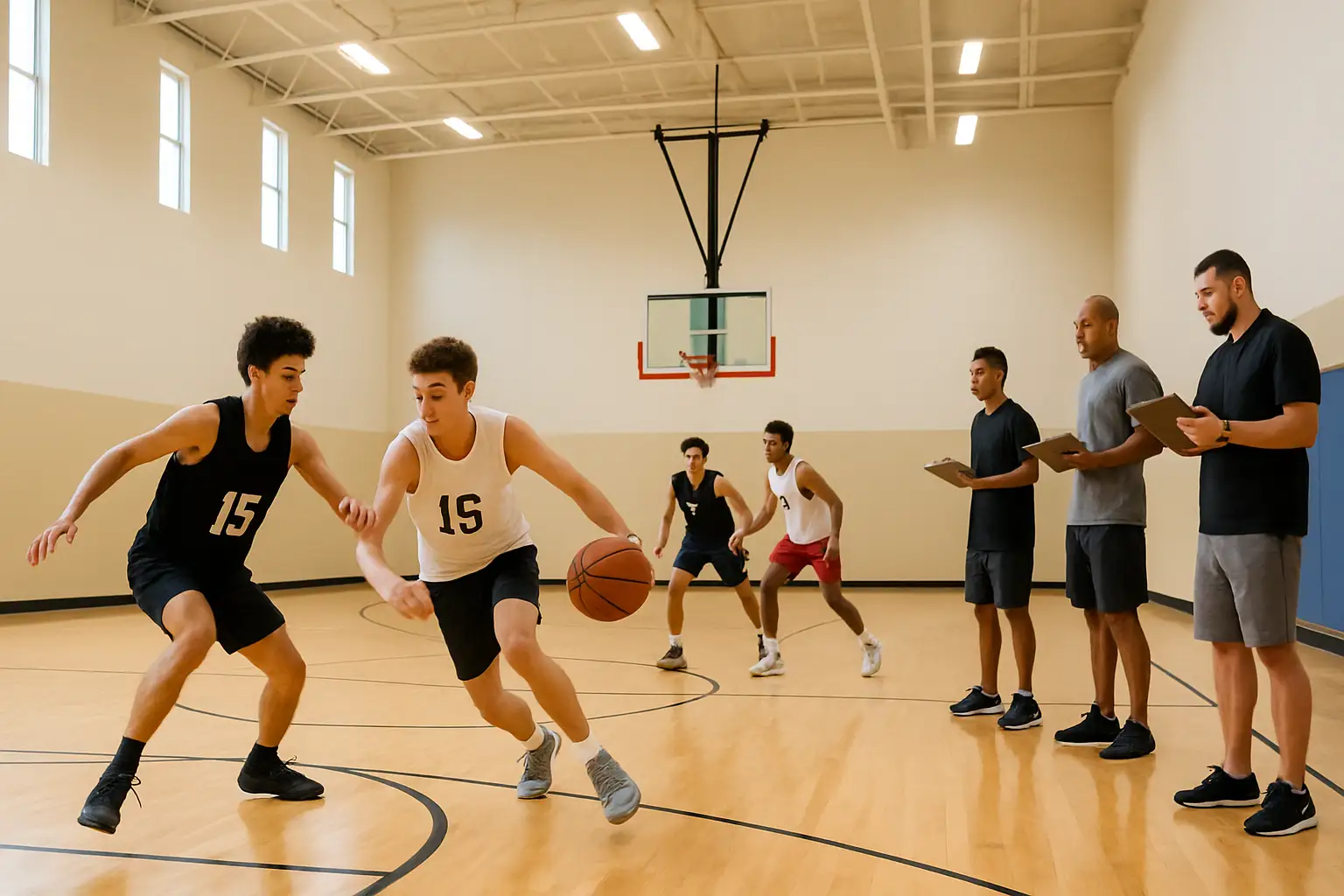
Basketball Without Borders is not simply a goodwill tour. Coaches and player development staff run structured camps that mirror the kind of training found at elite academies. Participants get evaluated by NBA personnel, and standout players often go on to the NBA Global Academy or receive increased visibility with professional clubs in their home countries.
The program has operated since 2001 and has worked with more than 4,500 campers across more than 50 countries. Alumni include players who have gone on to NBA careers, and the 2026 draft class adds more names to that list. The breadth of the program reflects the league's long-term push to grow basketball outside North America and tap into talent pools that traditional scouting pipelines might miss.
For young players in regions where professional infrastructure is thin, a Basketball Without Borders camp can be a turning point. It provides not just skill instruction but exposure to the standards and expectations of the NBA level, sometimes years before a player is draft-eligible.
Why the 2026 Draft Class Matters for the Program's Legacy
Each draft cycle that produces Basketball Without Borders alumni serves as a measuring stick for the program. The 2026 class, as highlighted by NBA.com, reinforces that the camps are producing players capable of competing at the highest level, not just participants who benefited from a brief international exchange.
The broader significance is what this means for countries and regions that have historically been underrepresented in the NBA. When scouts and front offices see draft prospects with Basketball Without Borders backgrounds, it adds credibility to the program's model and encourages continued investment. It also signals to young players in those regions that the path to the NBA, while still difficult, is navigable through structured development.
The NBA has used the draft as a kind of scoreboard for its global programs before. International players now regularly populate lottery picks and All-Star rosters, and initiatives like Basketball Without Borders have played a supporting role in that shift over the past two decades.
The Bigger Picture for International Basketball Development
The spotlight on Basketball Without Borders heading into the 2026 draft comes at a moment when the NBA's global footprint is expanding in other ways too. The league has scheduled regular-season games abroad, developed the NBA Academy system across multiple continents, and partnered with national federations to raise the level of play in developing markets.
Basketball Without Borders fits into that larger architecture as an entry point, a place where raw talent from underserved areas gets its first serious look. The program does not guarantee a path to the pros, but for the players from the 2026 class who went through it, it clearly provided something useful along the way.
NBA.com's reporting on the draft class draws a direct line between the program's grassroots work and the professional opportunities now opening up for its alumni. That connection is likely to keep Basketball Without Borders in the conversation as the league continues building its international presence in the years ahead.