
Hawaii Bans Cash Deposits at Crypto ATMs Starting October 1
Hawaii is prohibiting cash deposits at cryptocurrency ATMs from October 1, marking a significant regulatory shift for digital asset access in the state.
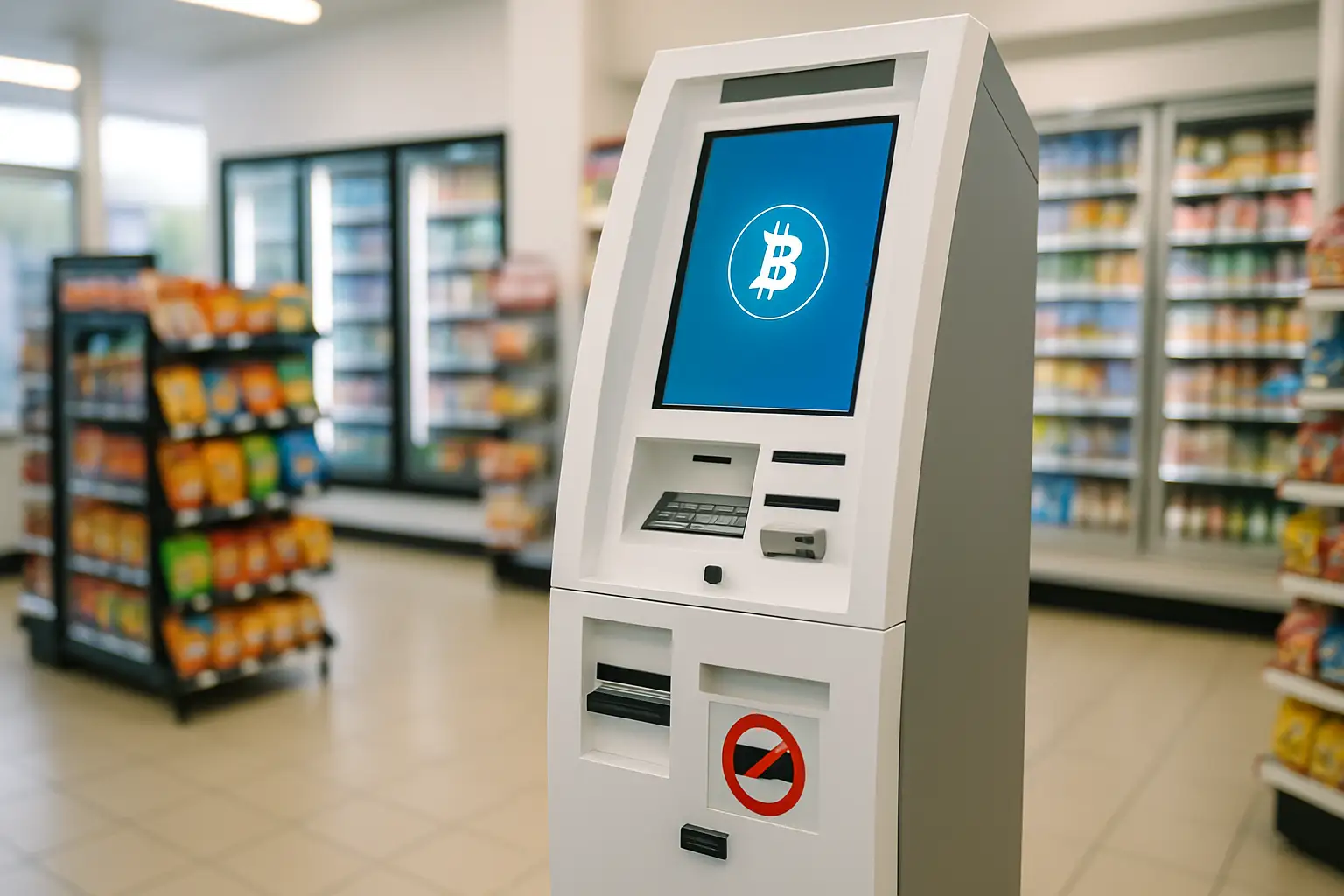


Hawaii Moves to Restrict Crypto ATM Cash Transactions
Hawaii is set to ban cash deposits at cryptocurrency ATMs beginning October 1, a regulatory move that will fundamentally change how residents in the state interact with digital asset kiosks. The prohibition targets a transaction method that has been widely used by people seeking quick, accessible entry points into crypto markets without relying on traditional bank accounts or online exchanges.
Crypto ATMs have grown rapidly across the United States over the past several years, offering a straightforward way to buy Bitcoin and other digital currencies using physical cash. Hawaii's new restriction puts the state among the stricter regulatory environments in the country for this type of consumer crypto access.
The timing gives operators and users a defined cutoff date. Anyone who has relied on feeding cash into a local kiosk to purchase cryptocurrency will need to find alternative methods after the rule takes effect.
What the Ban Means for Operators and Users
For crypto ATM operators doing business in Hawaii, the change requires adjustments to how their machines function and what services they can legally offer. Cash-in transactions, which allow a customer to insert physical bills and receive cryptocurrency in a designated wallet, would no longer be permitted under the new rules.
Users who prefer cash transactions often include people without bank accounts or those who value the relative anonymity that cash offers compared to linked debit or credit card payments. Losing that option in Hawaii could push some users toward less regulated or offshore alternatives, a concern that regulators in other jurisdictions have weighed when crafting similar rules.
Operators may still be permitted to run machines that dispense cash in exchange for cryptocurrency, though the cash-deposit side of the business is where the prohibition applies. The distinction matters for companies that operate two-way kiosks.
Hawaii has historically maintained one of the more cautious regulatory stances toward cryptocurrency in the United States. The state only recently ended a years-long pilot program that had imposed strict requirements on crypto companies operating there, requirements that had driven several major exchanges to exit the market entirely rather than comply.
Context: A State With a Complicated Crypto History
Hawaii's approach to digital assets has never been straightforward. For years, the state required cryptocurrency companies to hold dollar reserves equal to the value of any digital assets held on behalf of customers, a rule that made operating in Hawaii financially impractical for many businesses. That program ran as a sandbox pilot before the state worked to update its framework.
The latest restriction on crypto ATM cash deposits fits a broader pattern of Hawaii treating consumer-facing crypto services with a high degree of scrutiny. Regulators there appear focused on anti-money-laundering concerns, given that cash transactions at kiosks are harder to trace and verify compared to bank-linked purchases.
Crypto ATMs have drawn attention from federal and state regulators across the country partly because they have been used in fraud schemes, including scams targeting elderly residents who are directed to deposit cash into kiosks by bad actors posing as government officials or technical support representatives. Hawaii's ban on cash deposits could be read as a direct response to that pattern of abuse.
What Comes Next
The October 1 deadline gives the industry limited time to adapt. Operators with machines currently accepting cash in Hawaii will need to reconfigure their kiosks or suspend that functionality to stay compliant.
For residents, the shift means that buying crypto in person will require a different method, likely a debit card or bank transfer linked to an exchange account. That requirement may effectively exclude some users who have no access to traditional banking, raising questions about financial inclusion that advocates are likely to raise as the rule goes into effect.
How strictly the prohibition will be enforced, and what penalties operators face for non-compliance, will be details to watch as October 1 approaches. Hawaii's regulators have signaled in the past that they take digital asset oversight seriously, so operators ignoring the rule would likely face real consequences.
The ban reflects a growing trend of states taking targeted action on specific crypto products rather than waiting for federal-level legislation to set the rules. With Washington still working through broader crypto regulatory frameworks, individual states are filling the gap with their own requirements, and Hawaii's cash deposit ban is one of the more concrete examples of that approach so far in 2024.


Crypto & Markets Analyst
Jordan breaks down crypto markets and digital assets for everyday readers.