
Stablecoins and Crypto Payments: Key Trends Shaping the Market
CryptoRank's latest digest breaks down the growing role of stablecoins in crypto payments, highlighting shifts in adoption, volume, and infrastructure.
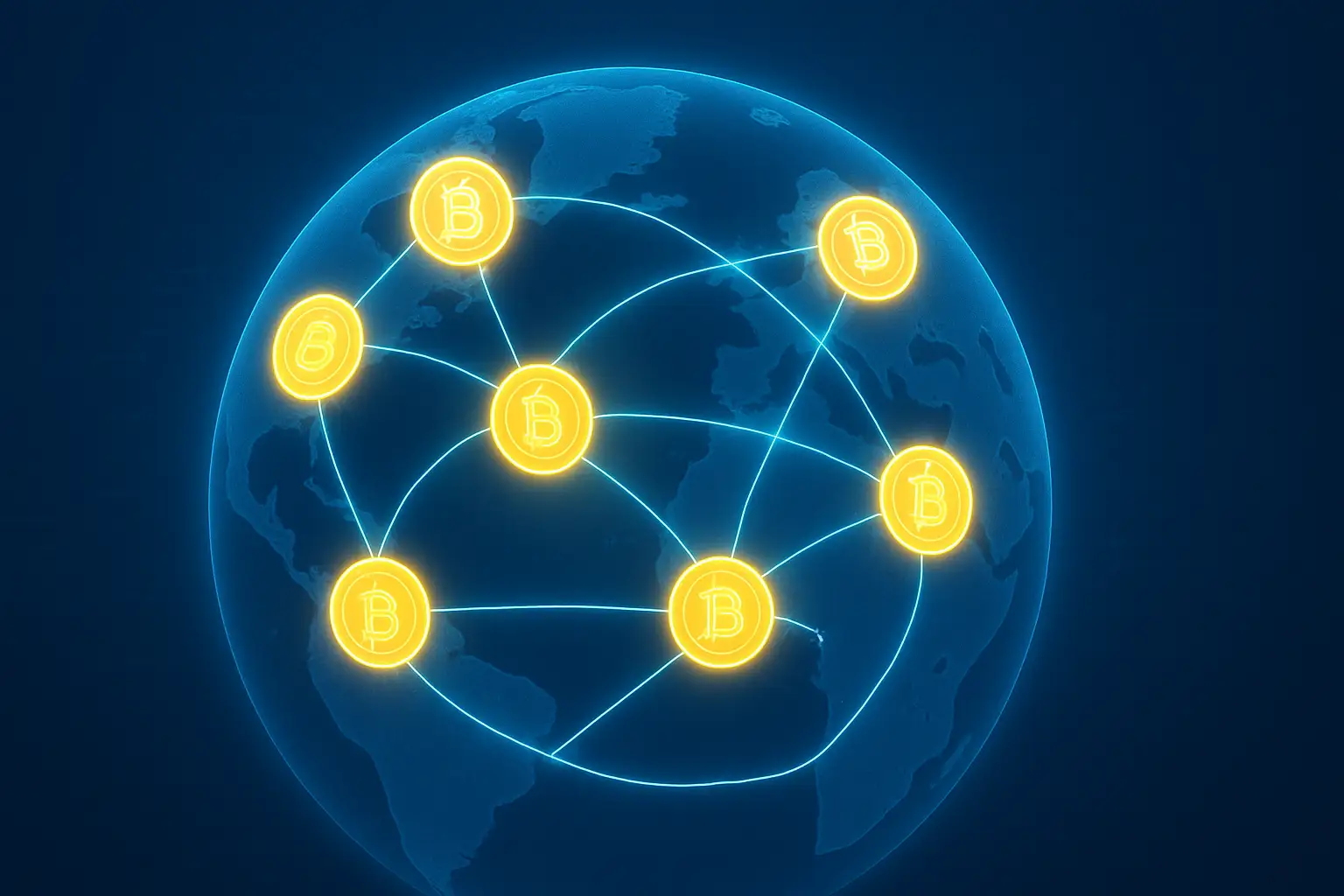


Stablecoins Take Center Stage in Crypto Payments
Stablecoins have quietly become one of the most consequential developments in the digital asset space. According to a digest published by CryptoRank, the intersection of stablecoins and crypto payments is drawing increasing attention from developers, institutions, and retail users alike. The report puts a spotlight on how dollar-pegged tokens are moving beyond simple trading tools and into everyday transaction infrastructure.
The numbers driving this shift are hard to ignore. Stablecoin transfer volumes have grown substantially over recent years, with on-chain settlement now rivaling some traditional payment rails in throughput. Unlike volatile cryptocurrencies, stablecoins offer predictable value, which makes them practical for merchants, remittance services, and cross-border transfers.
Tether's USDT and Circle's USDC remain the dominant players, but the competitive landscape is broadening. Newer entrants, including yield-bearing stablecoins and regionally focused variants, are carving out niches as payment-specific infrastructure matures.
Infrastructure and Regulation Are Driving Adoption
Two forces are accelerating stablecoin adoption in payments: improving blockchain infrastructure and a clearer regulatory picture in key markets.
Layer-2 networks on Ethereum, along with high-throughput chains like Solana and Tron, have significantly cut transaction fees for stablecoin transfers. That cost reduction matters enormously for small-value payments, where gas fees once made crypto transfers impractical. As fees drop, use cases like micropayments and payroll in emerging markets become viable.
On the regulatory side, several jurisdictions have moved to establish legal frameworks for stablecoin issuers. The European Union's MiCA regulation, which began phasing in during 2024, set compliance requirements for euro-area stablecoin operations. In the United States, congressional discussions around a dedicated stablecoin bill have continued, with bipartisan interest in providing clarity for issuers and users.
This regulatory momentum, while still incomplete, gives businesses more confidence to build payment products on stablecoin rails. Compliance certainty reduces the risk of sudden enforcement actions that have historically spooked institutional adoption.
Payment Use Cases Are Expanding Beyond Crypto-Native Users
For a long time, stablecoin payments were mostly a tool used within the crypto ecosystem itself, for moving funds between exchanges or settling DeFi positions. That picture is changing.
Cross-border remittances represent one of the clearest growth areas. Workers sending money home to countries in Latin America, Southeast Asia, and sub-Saharan Africa face steep fees on traditional wire services and money transfer operators. Stablecoin transfers on low-fee networks offer a faster and cheaper alternative, and a growing number of fintech apps now route remittances through stablecoin rails behind the scenes, even when the end user never holds crypto directly.
B2B payments are another expanding segment. Companies with suppliers or contractors in multiple countries are beginning to use stablecoins to settle invoices, cutting the friction and cost of international bank transfers. This is especially visible among crypto-native businesses, but adoption is spreading to traditional firms looking for treasury efficiency.
E-commerce integration is moving forward too, with payment processors adding stablecoin settlement options for merchants. Some platforms allow businesses to receive stablecoins and automatically convert to local currency, removing exchange rate risk from the equation.
What the CryptoRank Digest Signals for the Market
CryptoRank's focus on stablecoins and crypto payments in its digest reflects broader market sentiment: this is no longer a niche corner of the industry. Analysts and data platforms are treating stablecoin payment flows as a primary metric for gauging real-world crypto utility, not just speculative trading interest.
Volume data, wallet adoption rates, and chain-specific activity are all being tracked more closely as indicators of genuine use rather than hype cycles. When stablecoin transfer volumes rise independently of broader crypto market rallies, that is generally read as a sign of organic payment demand.
For investors and builders, the digest from CryptoRank serves as a useful checkpoint on where capital and development activity are concentrating within the stablecoin payments space. Infrastructure plays, compliance-focused issuers, and regional fintech integrations all appear to be areas seeing consistent growth.
The stablecoin payments sector still faces friction, including inconsistent regulatory treatment across borders, user experience gaps, and the ever-present challenge of converting crypto back to fiat at the point of need. But the direction of travel is clear, and the pace of development is not slowing.


Crypto & Markets Analyst
Jordan breaks down crypto markets and digital assets for everyday readers.